
Key Highlights
- UK defense officials report increased Russian submarine activity.
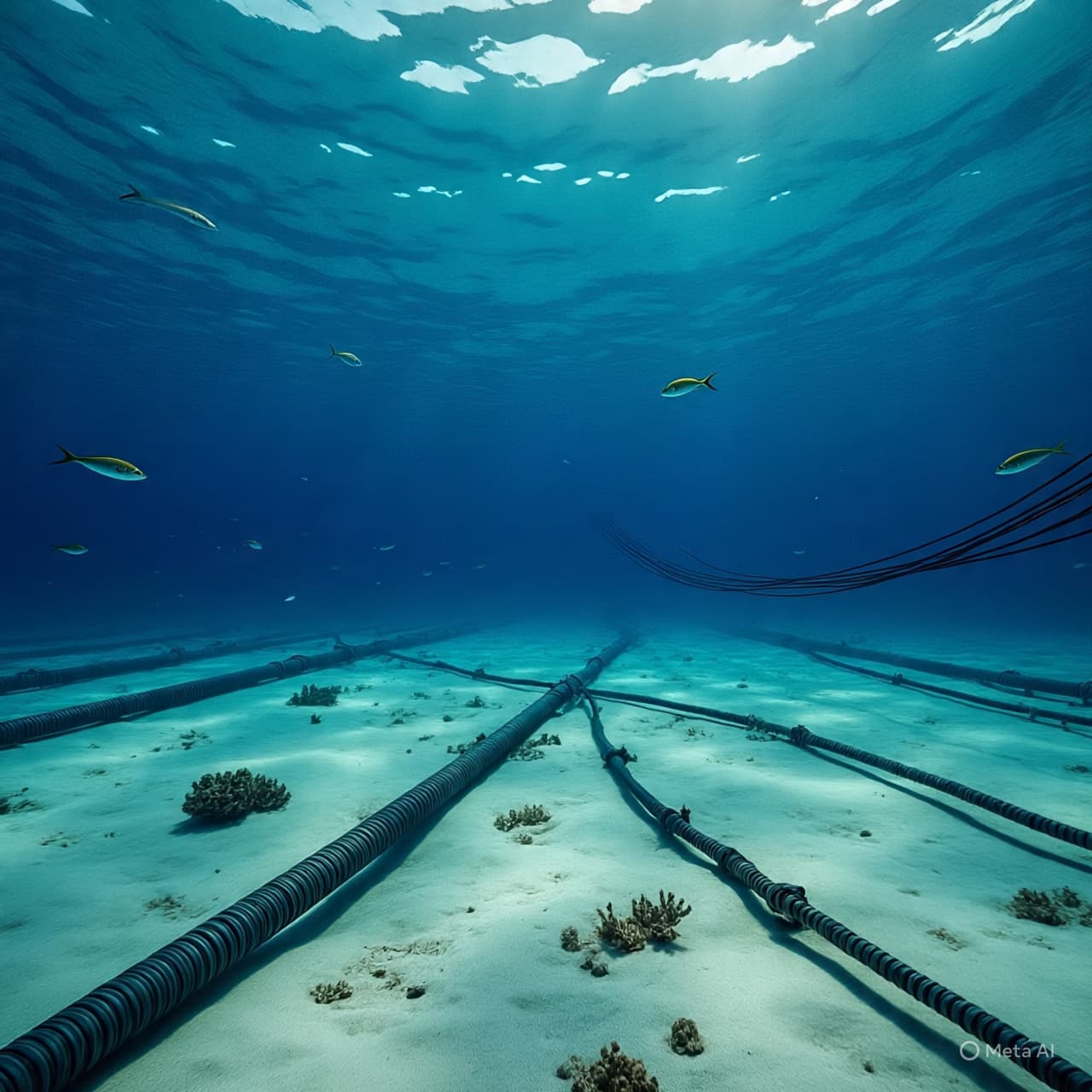
- Submarines are surveilling undersea cables and pipelines.
- No confirmed damage has been reported, but vigilance is heightened.
Recent developments in the waters surrounding the United Kingdom have raised alarms regarding the activities of Russian submarines. UK defense leadership has indicated that these submarines have been engaged in a month-long operation targeting critical undersea infrastructure, including cables and pipelines that are vital for energy and data transmission. This surveillance activity, as articulated by UK officials, suggests a deliberate pattern of monitoring that could pose risks to national security.
According to statements from Grant Shapps, the UK Secretary of State for Defence, the Russian vessels are equipped for deep-sea navigation, allowing them to operate stealthily along the seabed where these essential networks lie. While the submarines have not been reported to have caused any direct damage, their proximity to such infrastructure raises concerns about potential disruptions. The implications of this activity extend beyond immediate threats, highlighting vulnerabilities in systems that are crucial for modern life.
The UK’s response to this situation emphasizes a proactive approach to deterrence. Officials have noted that the focus is not solely on individual incidents but rather on the broader pattern of Russian submarine movements. This sustained interest suggests a strategic intent that necessitates increased vigilance. In response, the UK has ramped up naval patrols and enhanced monitoring systems, alongside intelligence-sharing initiatives with NATO allies. This collaborative effort aims to ensure that any potential threats to undersea infrastructure are addressed before they can escalate into significant incidents.
Undersea cables are the backbone of global communications, carrying approximately 95% of international data traffic. Similarly, pipelines transport energy resources that are vital for economic stability. The exposure of these infrastructures to surveillance and potential interference underscores the need for robust security measures. The interconnectedness of these systems means that any disruption could have far-reaching consequences, affecting not just the UK but global markets and communications.
The language used by UK officials reflects a strategic shift towards signaling awareness of Russian activities. Phrases such as “we see your activity” serve as a warning to those engaged in surveillance, indicating that their movements are being monitored. This approach aims to deter further incursions by making it clear that the UK is vigilant and prepared to respond to any threats against its critical infrastructure.
Despite the underlying tensions, life along the UK coast continues as usual. Fishing boats set out for their daily catch, and ports remain busy with cargo operations. However, the unseen activity beneath the waves introduces a layer of complexity to the narrative. The quiet tension of the deep sea now intertwines with the everyday lives of those above, creating a dual reality where vigilance and normalcy coexist.
As of now, UK officials have confirmed the ongoing surveillance by Russian submarines but have reported no direct damage to undersea infrastructure. The emphasis on deterrence and monitoring reflects a commitment to safeguarding these vital systems. The situation serves as a reminder of the delicate balance between maintaining security and ensuring the uninterrupted flow of information and resources across the globe.
In summary, the story unfolding beneath the surface of the sea is one of heightened awareness and vigilance. The cables and pipelines that connect nations remain intact, yet the knowledge that they are being observed adds a new dimension to their significance. As the UK navigates these complex waters, the interplay between security and everyday life continues to evolve, underscoring the importance of safeguarding critical infrastructure in an increasingly contested environment.
Published by Banx Network. This article is part of the Banx decentralized media programme, powered by the BXE token on the XRP Ledger.



