
Time, in the wake of a catastrophe, moves differently. For the families of the missing in Nepal, each day since the devastating floods of late August has been an agonizing wait for news. Weeks have passed, yet thousands remain unaccounted for, and the majority of the bodies recovered so far have not been identified. This lingering uncertainty creates a unique kind of grief, one suspended between hope and despair, as communities struggle to find closure amidst the chaos.
The scale of the disappearance is staggering. Official figures indicate that over 5,000 people are still missing, including hundreds of foreign nationals who were visiting or working in the region. The flash floods, which surged through valleys with little warning, swept people away from homes, hotels, and workplaces. In the immediate aftermath, the focus was on survival, but as the days turned into weeks, the search for identity has become a critical humanitarian challenge.
Identifying the deceased is a complex and painstaking process. Many bodies were recovered in advanced states of decomposition due to the warm climate and the time spent in water. Traditional methods of identification, such as visual recognition, are often impossible. Instead, authorities rely on DNA sampling, dental records, and personal effects. However, the logistical hurdles of collecting samples from distant relatives and processing them in overwhelmed laboratories have slowed progress significantly.
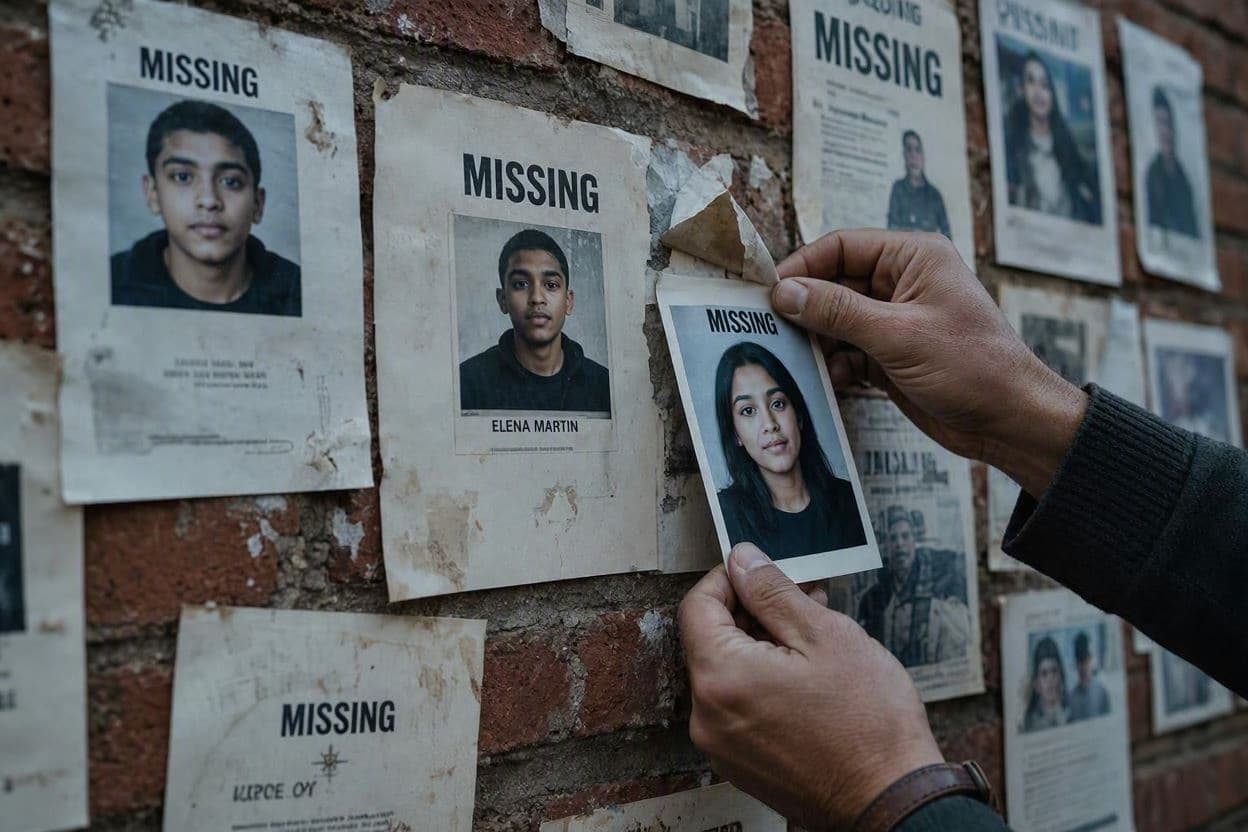
To address this, police stations and hospitals have become centers of information, with walls covered in posters of missing persons. Families travel from remote villages to Kathmandu, bringing photos and hoping for a match. The emotional toll on these individuals is immense, as they navigate a bureaucratic system while grappling with their loss. Volunteers and NGOs have stepped in to provide support, offering counseling and assistance with documentation.
The issue of unidentified bodies also raises ethical and cultural concerns. In Hindu and Buddhist traditions, proper funeral rites are essential for the peace of the soul. Delayed identification prevents families from performing these rituals, adding a spiritual dimension to their suffering. Authorities have had to balance the need for forensic accuracy with the urgent desire of families to lay their loved ones to rest.
International cooperation has been vital in this effort. Embassies and consulates are working with Nepali officials to identify foreign victims, sharing DNA data and passenger lists. This global collaboration highlights the interconnected nature of modern travel and the shared responsibility in times of crisis. It also underscores the importance of maintaining accurate records for travelers in remote areas.
As the weeks pass, the likelihood of finding survivors diminishes, shifting the mission entirely to recovery and identification. The number of confirmed deaths has risen, but it remains a fraction of the missing. Each new identification brings a small measure of relief to a family, but for thousands, the wait continues. The silence of the missing is a loud presence in the national consciousness.
The path forward requires sustained commitment and resources. Investing in better disaster preparedness, early warning systems, and forensic capabilities is essential for the future. For now, Nepal remains in a state of mourning, holding space for those who are gone and those who are still waiting to be found.
AI Image Disclaimer: The images accompanying this article are AI-generated artistic interpretations of the situation and are not actual photographs of the victims or identification processes.
Published by Banx Network. This article is part of the Banx decentralized media programme, powered by the BXE token on the XRP Ledger.



