In the quiet corners of Ukraine’s grief, where the echoes of artillery and marching boots fade into the ragged hum of everyday life, another kind of silence takes hold. It is not the solemn hush of a battlefield memorial, nor the written name set in stone. Rather, it is a softer, heavier stillness — one born of words unspoken, honors withheld, and stories that refuse to fit the tidy scripts of war and heroism. Here, families of soldiers who died by suicide — those the state counts as non-combat losses — find themselves caught between grief and stigma, mourning the ones they loved amid a silence that feels almost official.
For Kateryna, the loss of her son Orest came with layers of pain that unfolded long after the war claimed him. A quiet young man with intellectual dreams, he became a communications specialist on the front. When she learned he had died by a self-inflicted wound, what hurt most was not only the absence of his voice but the absence of recognition: no military honors, no compensation, no public acknowledgment of his sacrifice. In the eyes of official policy, Orest had died “the wrong way” — and that had made all the difference.
Across Ukraine, dozens of families carry similar burdens. With no official statistics on suicides among military personnel, advocates and relatives believe the true toll may run into the hundreds. Yet for legal and cultural reasons, these deaths are categorized differently, depriving loved ones of the status and support afforded to those killed in combat. In a society already strained by years of conflict, this division has created a quiet hierarchy of loss: those honored, and those quietly forgotten.
The stigma surrounding mental health — pervasive in many societies — interacts with wartime narratives of valor in particularly painful ways here. Soldiers who returned with wounds unseen but deeply felt found themselves struggling not only with the memories of what they’d endured but also with a social landscape that lacked space for their suffering. Families recount communities where churches sometimes refuse funerals, towns avoid memorializing certain names, and widows find solace only in one another, far from official recognition.
For advocates like Olha Reshetylova, Ukraine’s Commissioner for Veterans’ Rights, these stories underscore the need for systemic change — for reforms that acknowledge all who served, regardless of how their deaths were classified. She emphasizes that the absence of support and transparency not only deepens grief but weakens trust between servicemembers, families, and the institutions meant to protect them.
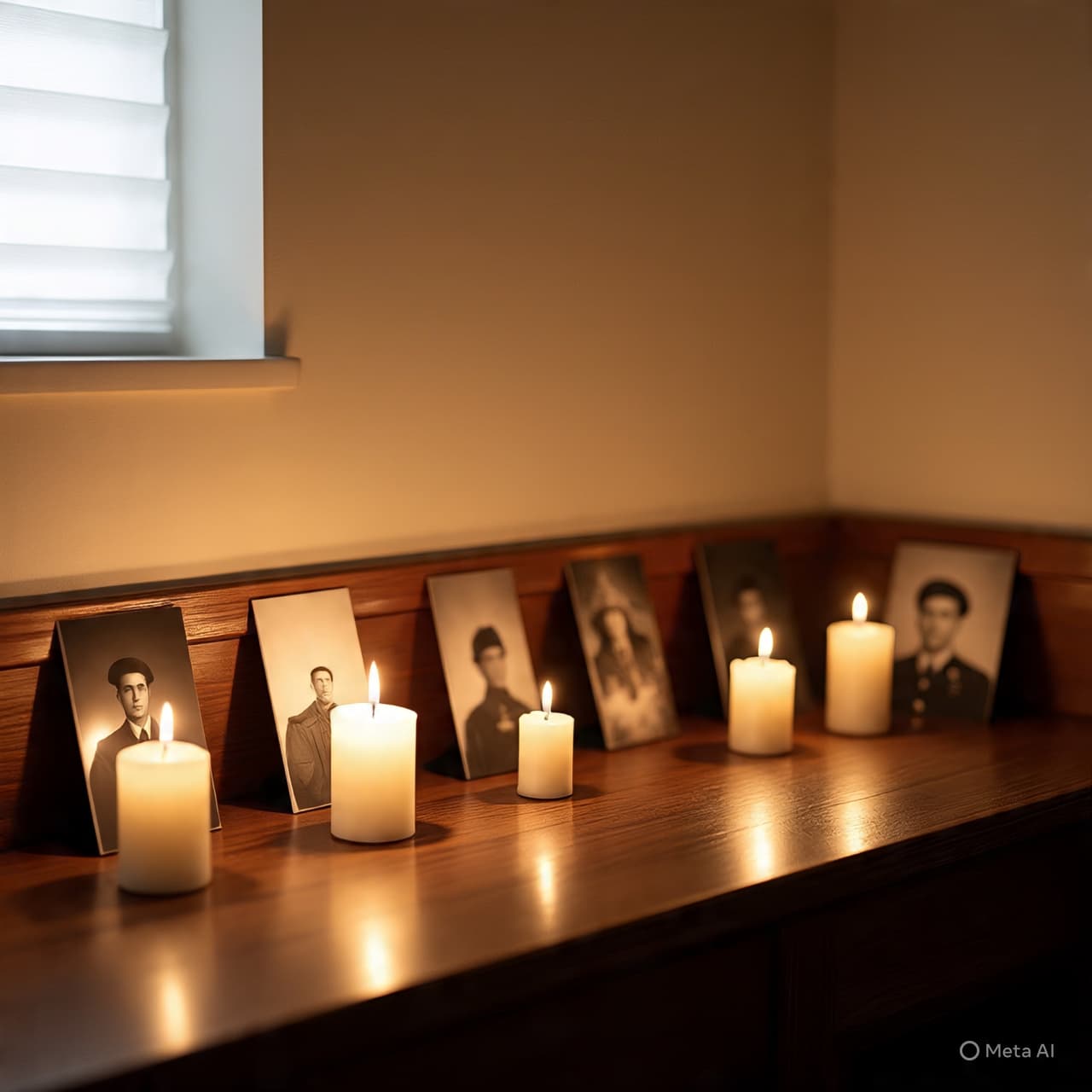
In quiet gatherings and online communities, bereaved relatives share photos and memories that push back against silence. “He walked through hell,” one widow says of her husband. “Why can’t we say so?” In these grassroots efforts, a different kind of remembrance takes shape — one that seeks not only justice for the dead but dignity for the living.
As Ukraine continues to bear the heavy cost of war, the challenge now is not only to honor the fallen on the battlefield but also to recognize those lost to the silent battles within. In doing so, the country confronts not just the visible toll of violence but the quieter wounds that demand acknowledgment, compassion, and care.
AI Image Disclaimer “Visuals are created with AI tools and are not real photographs, meant for conceptual representation only.”
Sources
• BBC News
Published by Banx Network. This article is part of the Banx decentralized media programme, powered by the BXE token on the XRP Ledger.