Above the cities and deserts of the Middle East, flight paths have long served as an invisible link between people, goods, and trade centers. Now, these routes are once again part of the economic pressure on Iran.
On September 8, 2026, the U.S. Department of the Treasury announced 36 new sanctions related to Iran. The move primarily targets Iran's aviation sector, including airlines, support companies, cargo handlers, and several intermediary networks abroad.
One of the main targets is Mahan Air, an Iranian airline that has previously been sanctioned by the United States and the European Union. Washington also expanded restrictions to other Iranian airlines as part of efforts to pressure the country's aviation capabilities.
In its announcement, the U.S. Treasury also targeted companies and intermediaries based in Turkey, the United Arab Emirates, Malaysia, and Kazakhstan. According to Washington, these networks assist in procuring U.S.-made aircraft and technology deemed sensitive for Iran.
Three flight authorizations that previously allowed certain activities have also been halted. These restrictions could affect the use of aircraft that are of or controlled by the United States, including support for safety parts and emergency services.
For the aviation industry, the impact does not stop at the aircraft on the tarmac. An airline relies on a long network: spare parts, maintenance, fuel, financing, cargo services, insurance, and relationships with international airports. When one part is severed, others can also feel the pressure.
Washington stated that foreign companies assisting Iranian airlines could face the risk of losing access to the global financial system. This message expands the scope of pressure from Iranian companies to foreign parties still connected to Iran's aviation network.
This pressure comes as Iran's economy already faces restrictions on oil exports, access to foreign currency, and international financing. Therefore, the aviation sector becomes one area that illustrates how economic sanctions can operate through many layers simultaneously.
For society and the business world, aviation is not just about travel from one city to another. It carries workers, goods, technology, medicines, and trade relationships. When air connections narrow, the costs and time to maintain economic relationships can also change.
Ultimately, these 36 new sanctions add another layer of pressure on Iran. In skies that are usually open for travel, more routes must now be recalculated—while Iran's economy continues to seek space amid tightening restrictions.
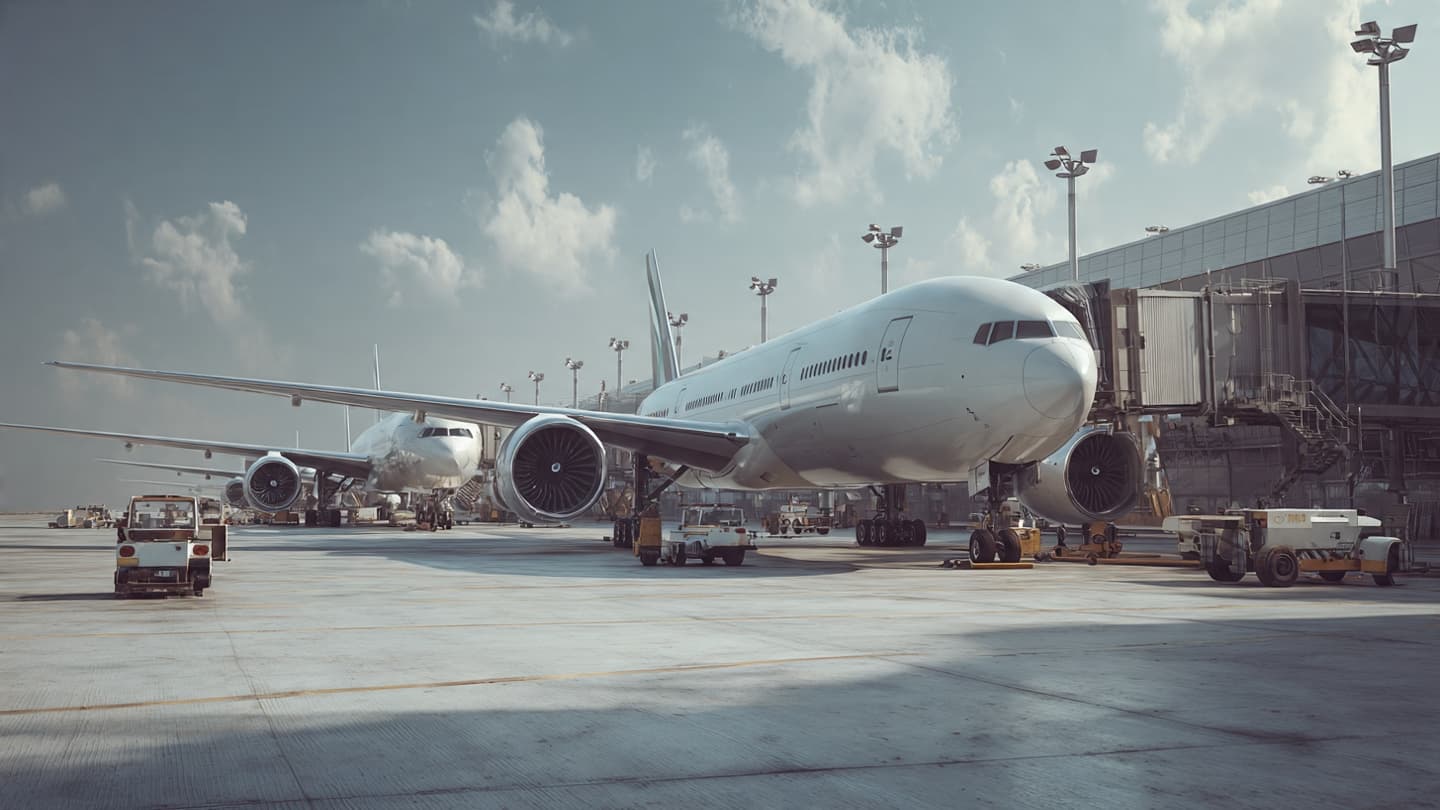
Image Disclaimer: This visual is a conceptual illustration based on AI regarding Iran's aviation sector and international economic pressure, not an actual photo of sanctions implementation or specific airline activities.
Sources: Reuters U.S. Department of the Treasury
Published by Banx Network. This article is part of the Banx decentralized media programme, powered by the BXE token on the XRP Ledger.