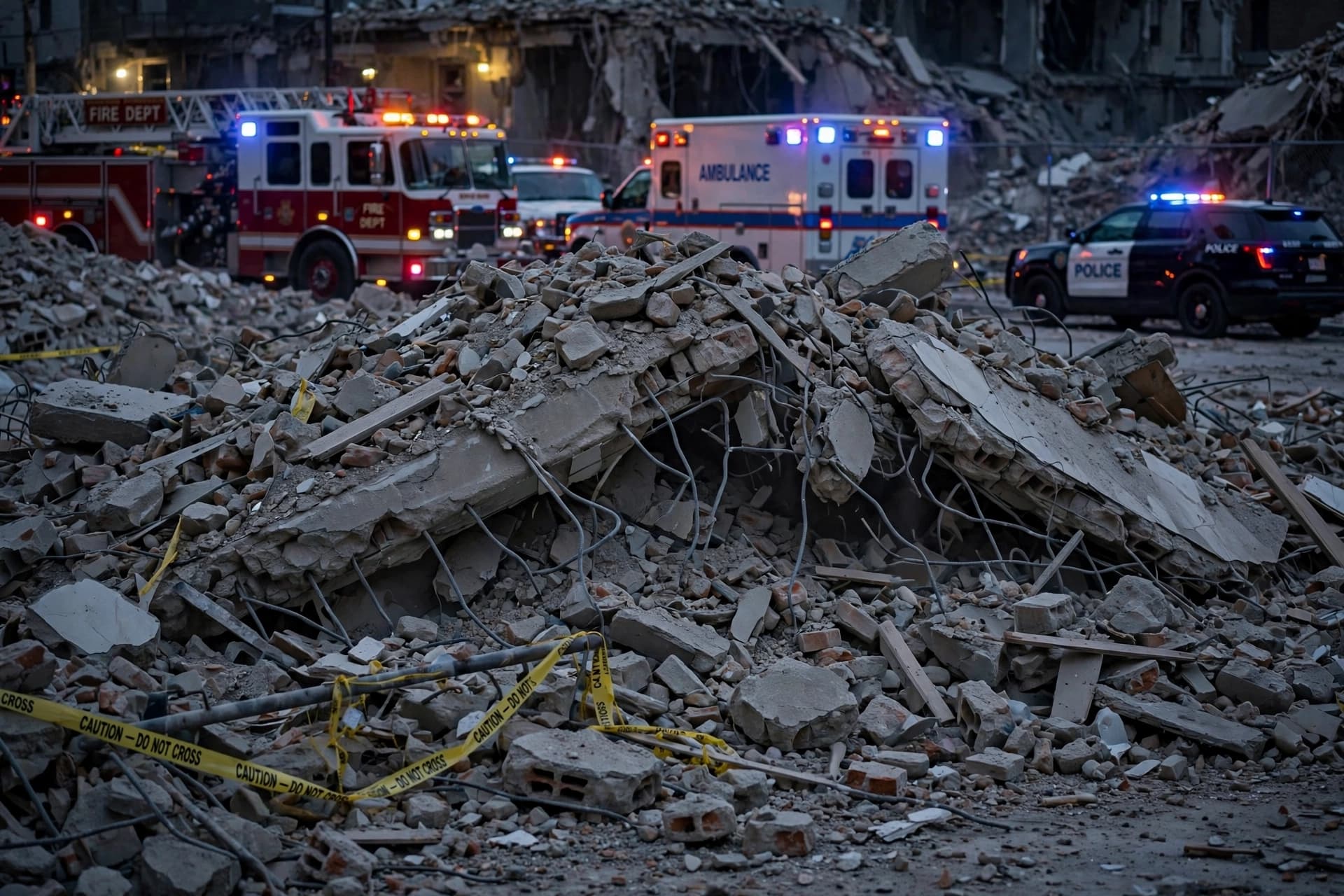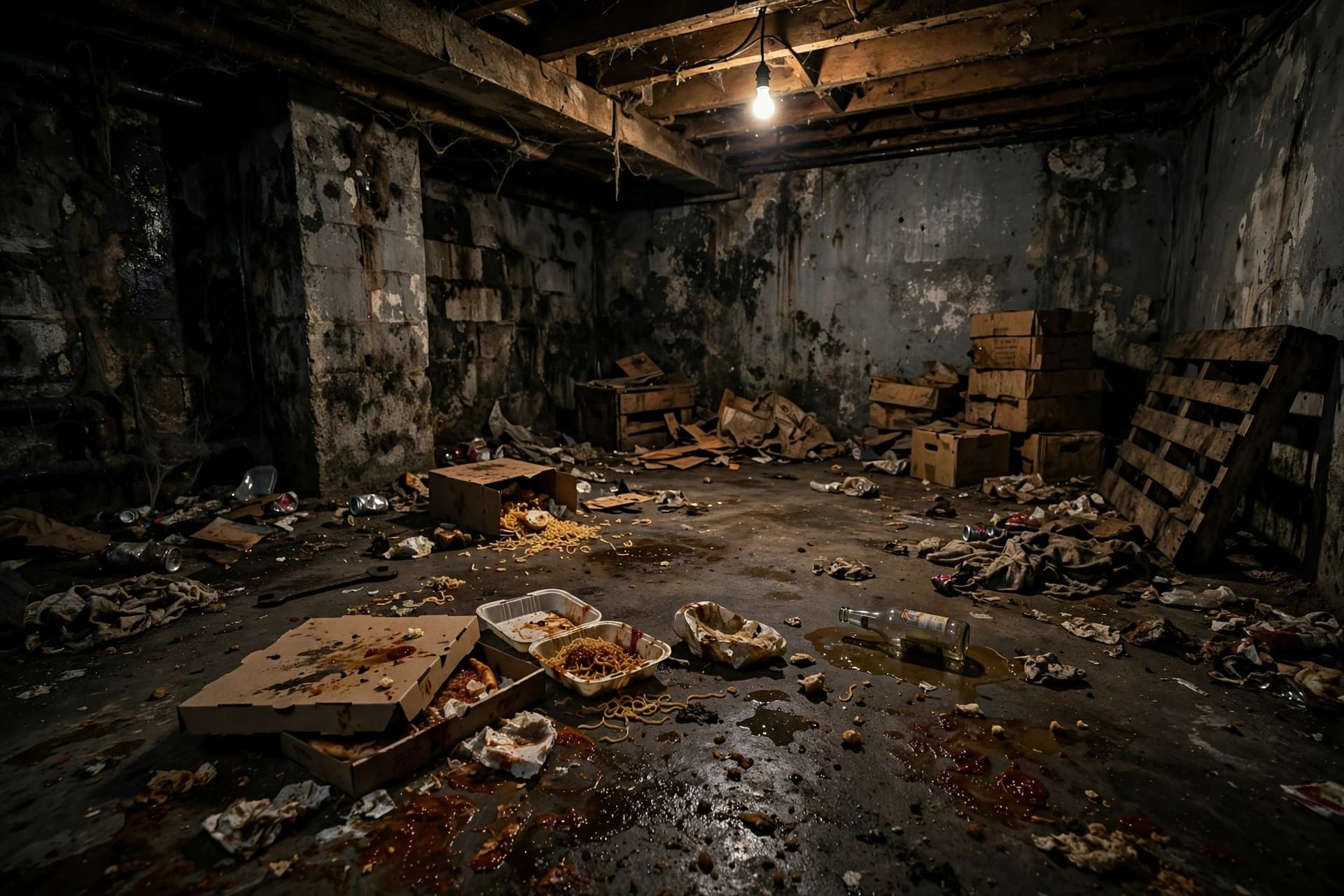
In the college town of Madison, Wisconsin, where academic pursuit and social life intertwine, a disturbing incident has shaken the community. Police discovered dozens of young men in the basement of a fraternity house, covered in food and condiments, with some showing signs of injury. This alleged hazing event has triggered an investigation into the practices of underground Greek organizations, raising questions about safety, consent, and the culture of initiation.
Madison police responded to an anonymous tip that led them to an off-campus residence associated with Alpha Epsilon Pi. Upon entering the basement, officers found approximately 30 males, partially clothed and subjected to degrading treatment. The scene described by authorities was one of chaos and distress, highlighting the severe risks associated with unauthorized hazing rituals.
Two fraternity leaders were arrested and charged with hazing and disorderly conduct. Their arrest marks a significant step in holding individuals accountable for such actions, sending a message that these behaviors will not be tolerated. The University of Wisconsin-Madison has also launched its own inquiry, emphasizing its commitment to student safety and well-being.
Hazing remains a persistent issue in collegiate environments, despite widespread awareness campaigns and strict policies. The desire for belonging and acceptance can sometimes lead students to participate in dangerous activities, often under pressure from peers. This incident serves as a stark reminder of the physical and psychological harm that can result from such traditions.
The victims, many of whom were pledges, received medical attention for their injuries. While the immediate physical wounds may heal, the emotional impact of such humiliation can last much longer. Support services are being offered to help them process the trauma and regain a sense of dignity and security.
Community reaction has been one of outrage and concern. Students, faculty, and alumni have called for stronger enforcement of anti-hazing laws and greater transparency in fraternity operations. The incident has sparked debates about the role of Greek life in modern universities and whether reforms are sufficient to prevent future abuses.
National organizations overseeing fraternities have expressed condemnation of the alleged actions. They emphasize the importance of adhering to codes of conduct that prioritize respect and safety. However, the existence of underground chapters complicates oversight, making it difficult to monitor activities that occur outside official channels.
As the investigation continues, authorities are seeking additional information from witnesses and participants. The goal is to ensure that all those responsible are identified and that appropriate measures are taken to prevent recurrence. The case highlights the need for ongoing vigilance and education in combating hazing.
The discovery of hazing in Madison is a sobering event that demands action and reflection. By addressing the root causes and enforcing strict consequences, the community can work toward creating a safer and more inclusive environment for all students. The journey toward change begins with accountability and compassion.
AI Image Disclaimer: Visuals in this article are AI-generated conceptual illustrations of university life and legal investigation, not actual photographs from the fraternity house or police operation.
Sources: ABC News NBC News CBS News Fox 9 Minneapolis Wisn.com
Published by Banx Network. This article is part of the Banx decentralized media programme, powered by the BXE token on the XRP Ledger.