There are classrooms in Ukraine where the lessons do not end with mathematics or literature. Outside the windows, the sound of sirens has become as familiar as the school bell. As the war moves into its fifth year following Russia’s full-scale invasion in 2022, childhood itself has been reshaped by circumstance. For many Ukrainian children, growing up now includes learning not only how to read and write, but how to endure — and, in some cases, how to fight back.
When President ordered troops across Ukraine’s borders, few imagined how deeply and durably the conflict would imprint itself on a generation. Yet five years on, the war has woven itself into daily routines. Air-raid drills are practiced alongside fire drills. Shelters are mapped with the same familiarity as playgrounds. The extraordinary has settled into something resembling normal.
Across the country, youth programs have expanded to include civil defense training. Teenagers learn first aid, how to recognize unexploded ordnance, and how to respond when sirens pierce the air. Some schools incorporate resilience training into the curriculum — lessons in mental fortitude and community support. Officials describe these programs as practical necessities in a nation still under regular aerial threat.
For older adolescents, the boundary between preparation and participation can narrow. Volunteer networks and cadet-style initiatives introduce structured training environments. These are not formal combat deployments, but they reflect a society mobilized. Ukraine’s government, led by President , has emphasized the importance of national unity and readiness, framing civic education as a cornerstone of long-term defense.
Parents often speak in careful tones about these changes. They describe a desire to preserve innocence while acknowledging reality. In cities closer to the front lines, children have grown accustomed to identifying the distinct sounds of drones and missiles. In western regions, where physical damage has been less severe, the psychological imprint remains — carried through news alerts, displaced classmates, and family members serving in uniform.
Psychologists warn of the lasting effects of prolonged exposure to conflict. At the same time, educators note signs of resilience. Many children, they say, demonstrate a maturity shaped by shared hardship. Art projects depict both fear and hope. Essays reflect not only anxiety, but determination.
The war has also accelerated digital literacy in unexpected ways. Ukrainian youth are adept at navigating online platforms where information — and misinformation — spreads rapidly. Media literacy initiatives aim to equip students with tools to discern fact from propaganda, recognizing that modern conflict extends into the virtual realm as well.
International organizations continue to provide support, funding trauma counseling, rebuilding damaged schools, and assisting displaced families. Yet the overarching reality remains: this generation has never known a Ukraine fully at peace. Their formative years are marked by conflict that predates their earliest memories.
As the invasion enters its fifth year, officials report that civil defense programs for youth will continue, adapted to evolving security conditions. Schools remain open where possible, shelters stocked, drills rehearsed. The state maintains that preparation is not militarization, but prudence.
The children of Ukraine are not soldiers. They are students, siblings, and friends navigating a landscape shaped by forces beyond their choosing. Yet in learning how to protect themselves and support their communities, they reflect a broader national resolve. The future they inherit will be shaped by how this war ends. For now, their education includes survival — and, quietly, the hope that one day it will not have to.
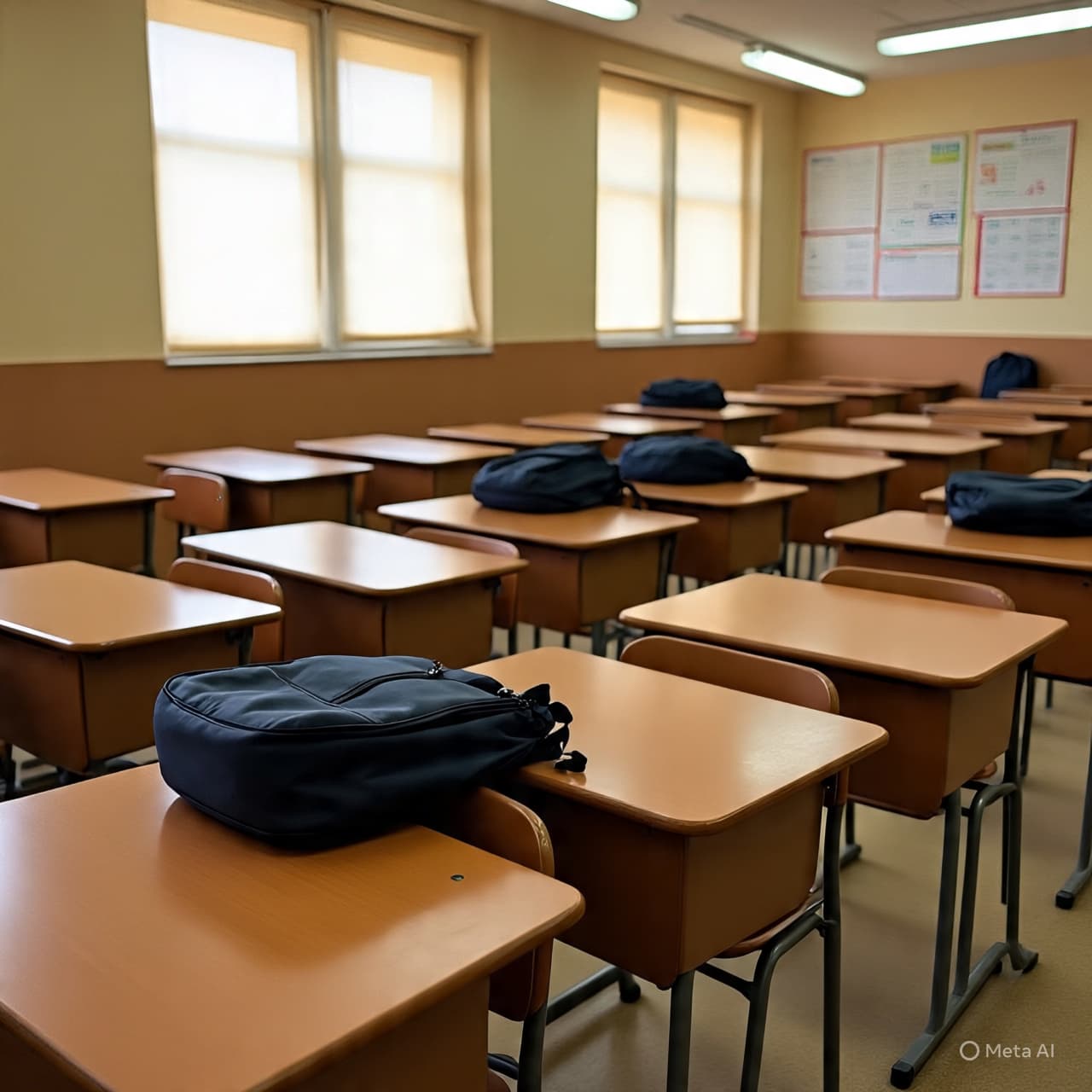
AI Image Disclaimer Graphics are AI-generated and intended for representation, not reality.
Sources
Reuters Associated Press BBC News The Guardian The New York Times
Published by Banx Network. This article is part of the Banx decentralized media programme, powered by the BXE token on the XRP Ledger.