
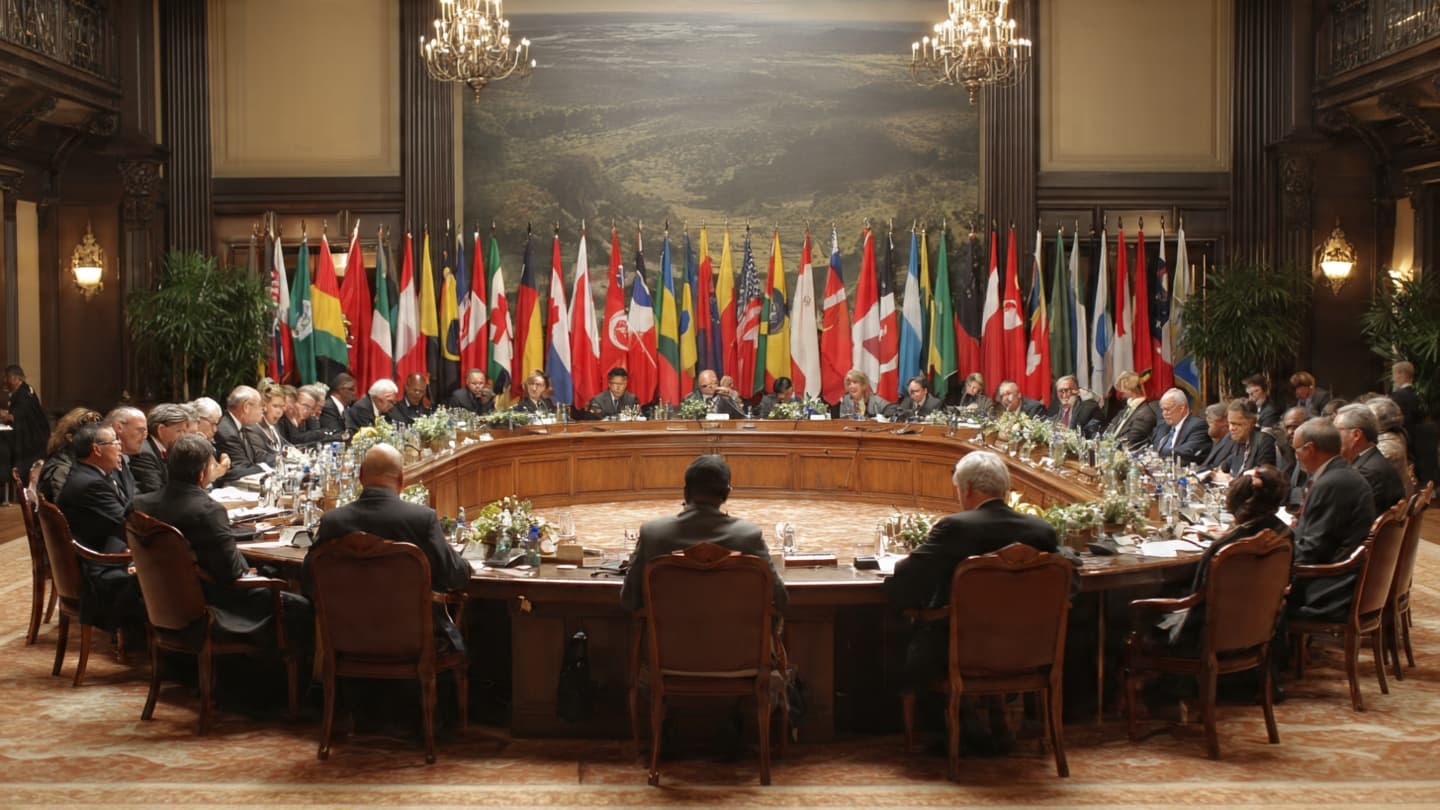
Key Highlights
- Global leaders emphasize the importance of stability ahead of negotiations.
- Restraint is crucial for productive dialogue and long-term agreements.
- Analysts predict the upcoming talks will shape regional security dynamics.
As diplomatic processes evolve, international actors are increasingly emphasizing the importance of maintaining stability ahead of the next round of negotiations. Governments and organizations worldwide have called for restraint, highlighting that calm conditions are essential for productive dialogue and long-term agreements. This sentiment reflects a growing recognition that the current geopolitical climate necessitates careful navigation to avoid potential conflicts.
Analysts suggest that the upcoming phase of talks could play a decisive role in shaping regional security dynamics and economic confidence. With various stakeholders involved, the stakes are high, and the outcomes of these discussions could influence not only local but also global markets. The anticipation surrounding these negotiations underscores the interconnectedness of international relations and the potential ripple effects of any agreements reached.
Global institutions continue to encourage cooperation and dialogue as the most sustainable path toward reducing tensions. Organizations such as the United Nations and regional alliances are actively promoting frameworks that facilitate communication among conflicting parties. This approach aims to build trust and foster an environment conducive to compromise, which is essential for any meaningful progress.
While uncertainty remains, there is cautious optimism that continued engagement may help prevent escalation and support gradual progress. Experts believe that even small steps toward dialogue can lead to significant changes in the long term. The focus on stability and restraint reflects a broader understanding that proactive measures are necessary to mitigate risks and enhance security.
In conclusion, as the world watches and waits for the next steps in these diplomatic efforts, the emphasis on stability and cooperation remains paramount. The outcomes of these negotiations will not only impact the immediate parties involved but also set the tone for future international relations and global stability.
Published by Banx Network. This article is part of the Banx decentralized media programme, powered by the BXE token on the XRP Ledger.



