
Key Highlights
- Observance:International Holocaust Remembrance Day is marked by quiet reflection.
- Significance:The day honors lives lost during the Holocaust through remembrance activities.
- Responsibility:As survivors age, the duty to remember shifts to future generations.
International Holocaust Remembrance Day is a poignant reminder of the past, observed annually on January 27. This day invites individuals and communities around the globe to pause and reflect on the atrocities of the Holocaust, a dark chapter in human history that continues to resonate today. The observance is characterized by a collective slowing down, as people engage in acts of remembrance that honor the lives lost and the suffering endured.
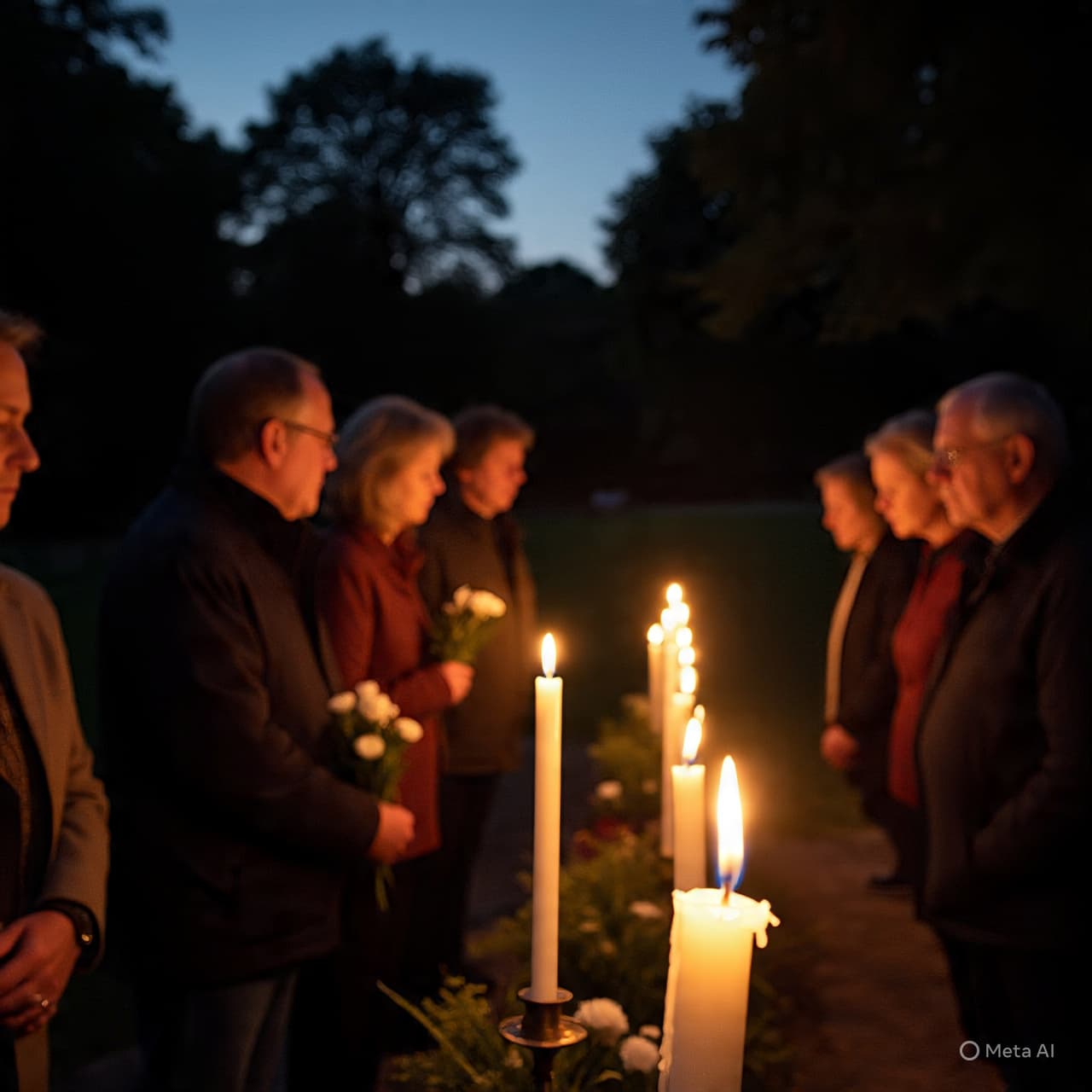
The Holocaust, which resulted in the deaths of six million Jews and millions of others, remains a profound wound in the collective memory of humanity. On this day, individuals light candles, recite names of victims, and share stories that encapsulate the experiences of those who lived through this tragedy. These acts are not merely ceremonial; they serve as a vital acknowledgment of the lives interrupted and futures denied by hatred and intolerance.
Across various countries, gatherings take place in schools, synagogues, and community centers, where survivors recount their harrowing testimonies. These narratives, shaped by years of reflection and resilience, are crucial in preserving the truth of the Holocaust. Educators and historians play an essential role in this process, ensuring that the records of this period are maintained with accuracy and respect. The emphasis is on continuity, as the memories of those who experienced the Holocaust firsthand begin to fade.
As the years pass, the responsibility of remembrance increasingly falls to those who did not directly experience the events of the Holocaust. This shift is approached with a sense of gravity, as museums, educational institutions, and commemorative events strive to keep the memory alive. They work diligently to resist any attempts at distortion or simplification of history, recognizing the importance of conveying the full weight of the Holocaust's impact.
International Holocaust Remembrance Day serves not only as a day of mourning but also as an opportunity for reflection on the lessons learned from the past. It encourages individuals to consider the implications of history on contemporary society. In a world that still grapples with issues of division and intolerance, the act of remembering becomes a powerful tool for fostering understanding and empathy.
As the observances conclude, there is no sense of finality. The extinguishing of candles and the dispersal of gatherings do not signify the end of remembrance. Instead, they mark the beginning of an ongoing commitment to honor the memory of those lost. The intention is clear: remembrance must remain active, influencing how future generations approach the complexities of history and humanity.
Published by Banx Network. This article is part of the Banx decentralized media programme, powered by the BXE token on the XRP Ledger.



