

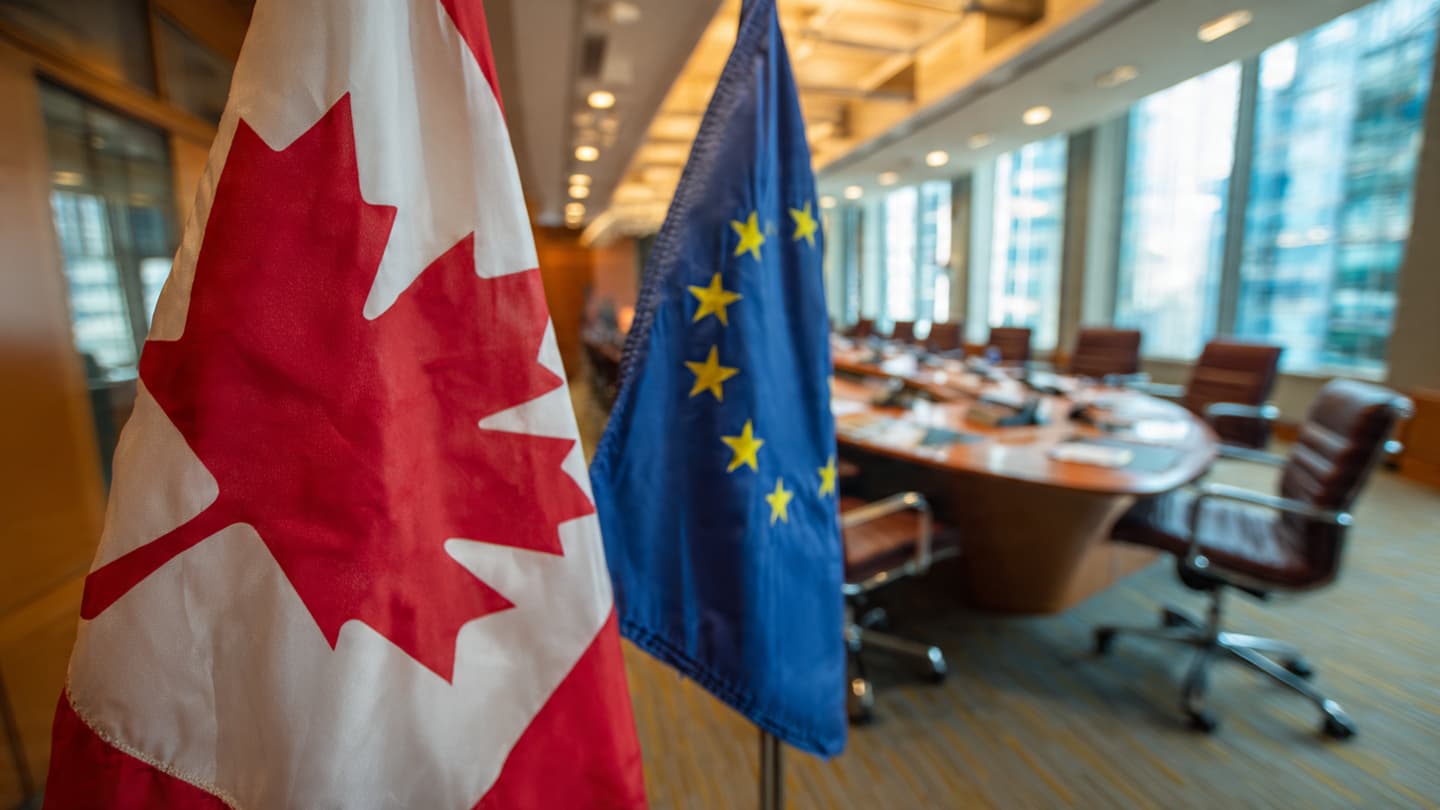
Key Highlights
- Canadian Prime Minister Mark Carney emphasizes middle power cooperation.
- Discussions focus on adapting to geopolitical changes and economic competition.
- European nations reassess their strategic positions in a shifting world order.
In the ever-evolving landscape of international relations, Canadian Prime Minister Mark Carney has recently underscored the necessity for middle powers to strengthen their cooperation, particularly between Canada and Europe. His remarks come at a time when global influence, alliances, and economic partnerships are being critically examined in light of shifting geopolitical dynamics. As nations grapple with uncertainty, the need for collaboration among middle powers has never been more pressing.
Carney's statements reflect a broader recognition that the international system is undergoing a significant transition. Long-standing assumptions about global leadership and trade relationships are being challenged as countries adapt to new realities. The Prime Minister highlighted that the current geopolitical climate necessitates a reevaluation of diplomatic partnerships, particularly as nations face economic competition and evolving security concerns.
Historically, Canada has maintained strong ties with both the United States and various European nations, fostering trade and security cooperation across multiple sectors. However, as the global landscape shifts, these relationships are being scrutinized for their effectiveness in addressing contemporary challenges. Carney's emphasis on middle power collaboration suggests a strategic pivot towards a more diversified approach to international diplomacy.
European countries are also actively reassessing their roles within this changing world order. Issues such as economic resilience, energy security, and technological competitiveness have emerged as critical policy priorities. As these nations navigate the complexities of a multipolar world, the importance of defense cooperation and strategic partnerships cannot be overstated.
Analysts point out that middle-power countries, like Canada and several European nations, often play pivotal roles in fostering dialogue and cooperation. By building partnerships across regions, these nations can contribute to stability during periods of international change. This collaborative approach is essential as global supply chains, investment flows, and technological advancements increasingly rely on frameworks that extend beyond traditional alliances.
The ongoing discussions reflect a broader trend among governments seeking greater flexibility in their foreign policies. Rather than depending solely on a limited number of partnerships, many countries are exploring diversified diplomatic and trade strategies. This shift is indicative of a recognition that adaptability is crucial in a rapidly changing global environment.
As policymakers continue to engage in these vital conversations, Canada's message serves as a reminder of the enduring value of cooperation in international affairs. In times of significant transformation, the ability to forge new alliances and strengthen existing ones becomes paramount for navigating the complexities of the modern world.
Published by Banx Network. This article is part of the Banx decentralized media programme, powered by the BXE token on the XRP Ledger.




