Certain regions occupy a unique place in global affairs, where local developments often carry international consequences. The Middle East remains one such region, a crossroads of history, commerce, politics, and security whose events continue to shape discussions far beyond its borders.
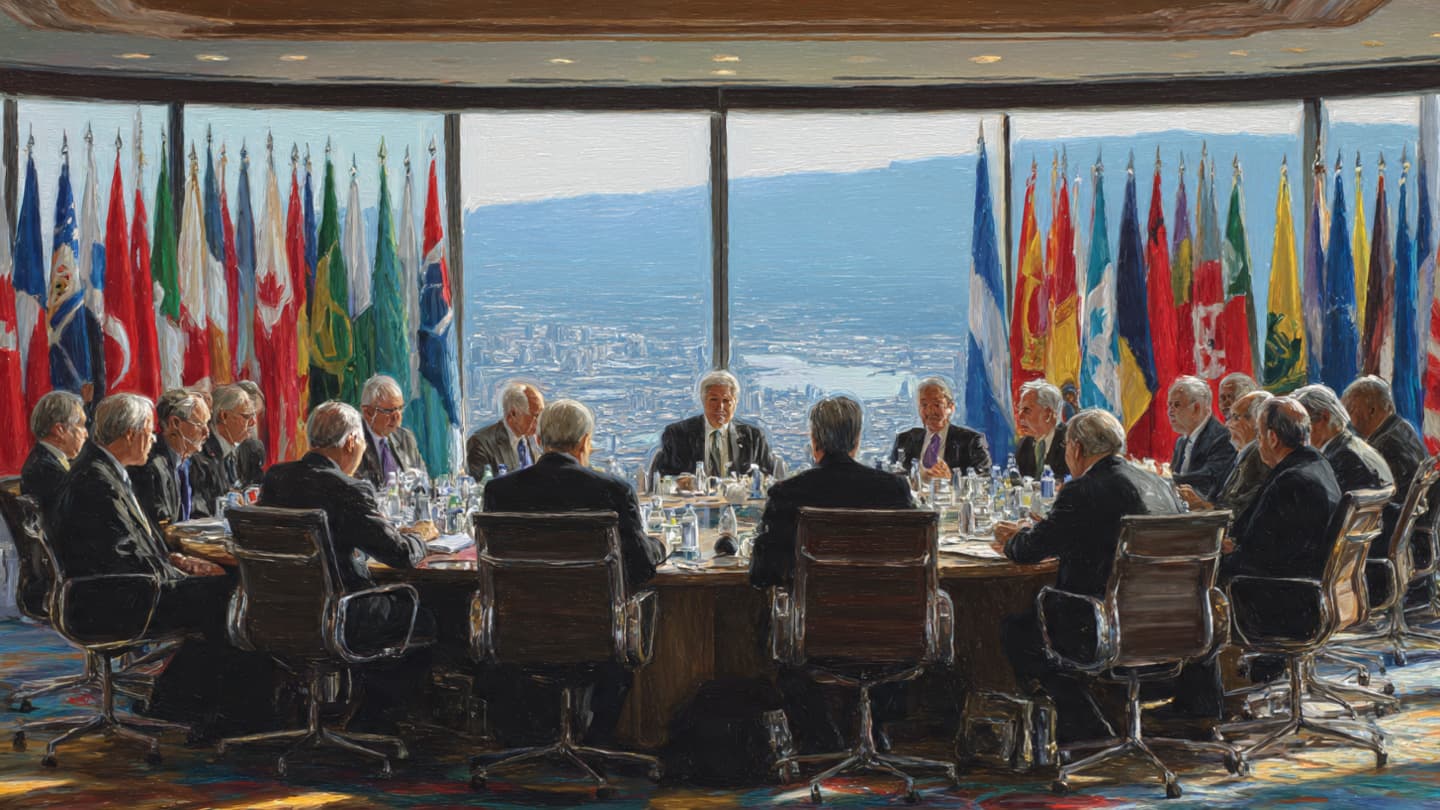
Recent diplomatic efforts have focused heavily on managing tensions across multiple fronts within the region. Governments, international organizations, and mediators remain engaged in efforts designed to prevent escalation and encourage dialogue among key stakeholders.
Although several diplomatic initiatives have produced limited progress, analysts caution that underlying challenges remain complex. Historical disputes, security concerns, political rivalries, and humanitarian issues continue to influence the regional landscape.
International leaders have repeatedly emphasized the importance of restraint. Calls for de-escalation have been accompanied by efforts to strengthen communication channels capable of reducing misunderstandings and supporting crisis management.
Energy markets are closely linked to developments in the Middle East. Because the region plays a critical role in global energy production and transportation, periods of instability often attract attention from governments, businesses, and investors worldwide.
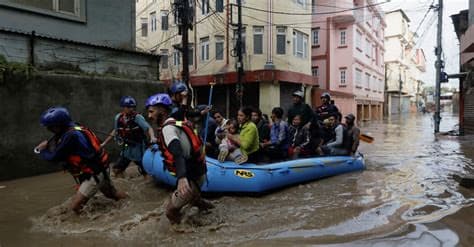
Humanitarian concerns also remain prominent. Various international agencies continue monitoring conditions affecting civilian populations in areas impacted by conflict and political uncertainty.
Regional powers are pursuing different diplomatic strategies aimed at protecting national interests while maintaining broader stability. Some governments emphasize direct negotiations, while others support multilateral initiatives involving international partners.
Observers note that diplomacy often advances gradually rather than through dramatic breakthroughs. Incremental progress can sometimes create conditions necessary for more substantial agreements later on.
As global attention remains focused on the Middle East, policymakers continue searching for pathways toward greater stability. The region's future will likely depend on a combination of diplomacy, restraint, and sustained international engagement.
AI Image Disclaimer: The images presented with this article are AI-generated visual aids created to illustrate themes discussed in the report and are not authentic photographs.
Sources Verification Check Verified through:
Reuters Al Jazeera BBC News Associated Press (AP) United Nations Briefings
Published by Banx Network. This article is part of the Banx decentralized media programme, powered by the BXE token on the XRP Ledger.