The history of energy is closely tied to the history of civilization itself. Every era has relied upon technologies that powered industry, transportation, communication, and daily life. Today, a new chapter is unfolding as renewable energy sources occupy an increasingly important place within global power systems.
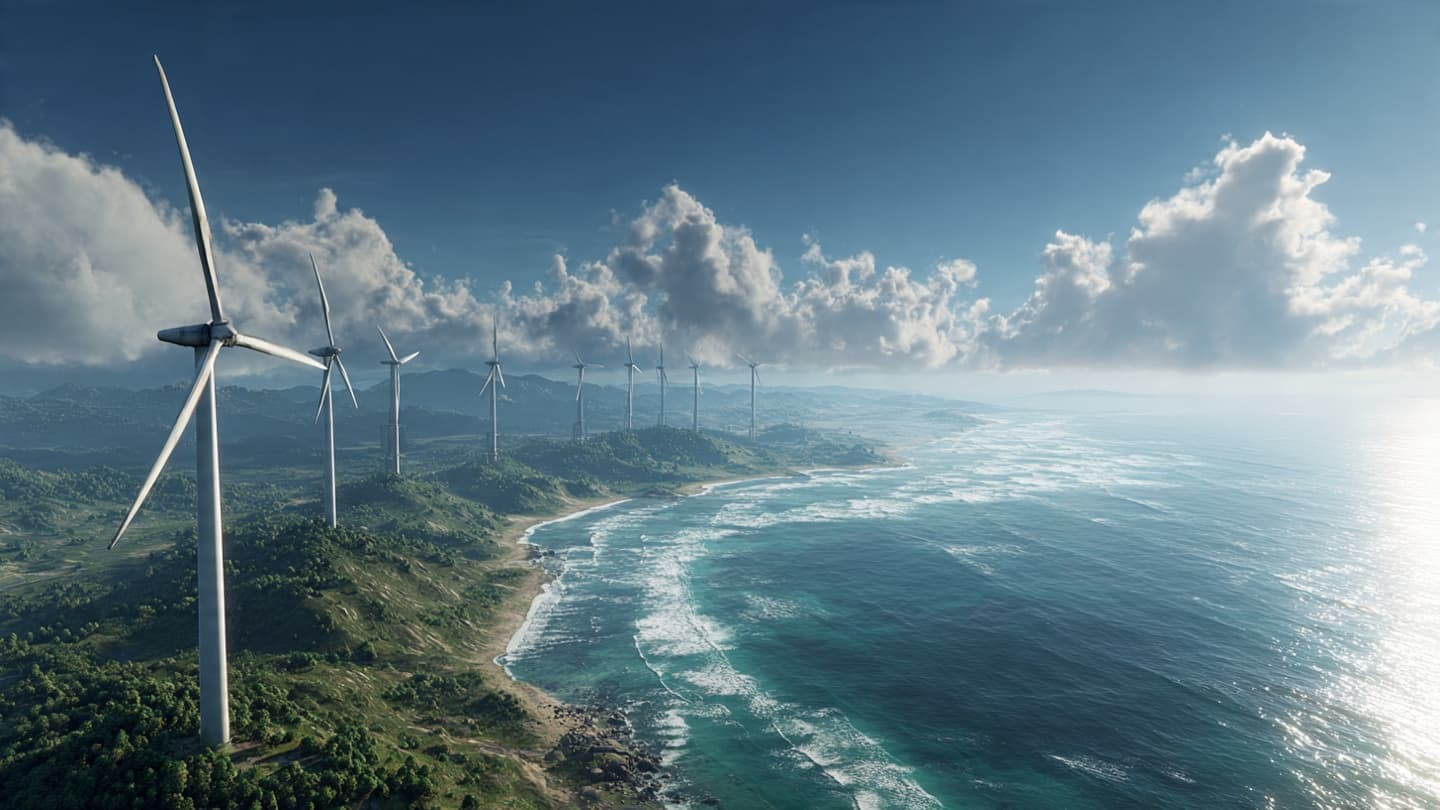
Solar panels now cover rooftops and open landscapes across multiple continents. Wind turbines rise from coastal waters and rural plains, converting natural forces into electricity that supports homes, businesses, and infrastructure. Together, these technologies are reshaping how energy is produced and distributed.
Recent reports indicate continued growth in renewable energy capacity worldwide. Investments in solar and wind projects have accelerated as costs decline, technology improves, and governments seek diverse energy portfolios capable of supporting long-term development.
The expansion reflects more than environmental considerations alone. Energy security, economic competitiveness, technological innovation, and infrastructure modernization all influence decisions regarding future power generation.
Researchers note that renewable technologies have achieved substantial efficiency improvements over recent decades. Modern solar panels generate more electricity from available sunlight, while advanced wind turbines operate effectively across a broader range of environmental conditions.
Energy storage systems are also becoming increasingly important. Batteries and other storage technologies help balance supply and demand, enabling electricity generated during favorable conditions to remain available when needed later.
Large-scale infrastructure projects often attract significant attention, but smaller installations contribute as well. Residential solar systems, community energy projects, and local microgrids are expanding access to renewable electricity in diverse settings.
Challenges remain part of the transition. Grid modernization, resource management, financing mechanisms, and supply-chain considerations require careful planning. Energy systems are complex networks that evolve gradually rather than through sudden transformation.
Economists emphasize that the renewable sector has become an important source of employment and innovation. Manufacturing, engineering, installation, maintenance, and research activities support growing industries in numerous countries.
For now, renewable energy continues strengthening its role within the global energy landscape. As technology advances and investment persists, the transition represents not only a shift in power generation but also an evolving vision of how societies meet future energy needs.
AI Image Disclaimer
Visuals are created with AI tools and are not real photographs.
Source Check Credible sources identified:
Reuters International Energy Agency (IEA) International Renewable Energy Agency (IRENA) BloombergNEF World Bank
Published by Banx Network. This article is part of the Banx decentralized media programme, powered by the BXE token on the XRP Ledger.