In the quiet corridors of global diplomacy, where shadows often obscure intentions, a faint murmur has begun to circulate. It’s the sound of a door, perhaps, not yet fully open, but no longer entirely shut. This isn't the roar of a breakthrough, not yet, but a subtle shift in rhetoric from Tehran that invites a deeper look at the intricate dance between Iran and the United States.
For years, the narrative has been one of entrenched positions, a geopolitical stalemate punctuated by sanctions and proxy conflicts. Yet, the recent pronouncement by Iran's Foreign Minister, Hossein Amirabdollahian, suggesting that an "early, fair agreement" with the US is attainable if diplomacy takes precedence, feels like a deliberate, if cautious, overture. It's a statement that, as Reuters reported this week, signals a potential willingness to re-engage, moving beyond the usual public posturing. I've watched this particular diplomatic ballet for over a decade, and such phrasing isn't accidental; it's carefully calibrated.
This isn't to say the path is clear. Far from it. The chasm of mistrust runs deep, carved by decades of historical grievances and recent escalations. Consider the economic pressures: Iran's economy has been under immense strain, with its currency, the rial, experiencing significant devaluation against major global currencies, a trend well-documented by financial analysts at Bloomberg. The desire for sanctions relief, particularly the ability to freely access global financial networks, is a powerful motivator. This economic imperative often acts as a silent, relentless force, pushing even the most ideologically rigid regimes towards the negotiating table. It's a bit like a blockchain network facing a persistent 51% attack; eventually, the cost of maintaining the status quo becomes unsustainable, forcing a re-evaluation of security and consensus mechanisms.
But here's what many aren't talking about: the view from inside Iran. The popular narrative often paints a monolithic picture of the Iranian state, but beneath the surface, there are internal debates, factions vying for influence. Some within the establishment, particularly those aligned with economic pragmatism, have long advocated for a more conciliatory approach to ease the burden on the populace. They see the potential for a more stable, predictable economic environment as a non-negotiable priority. This internal dynamic, often overlooked by Western media, is a critical variable in any diplomatic equation, a quiet undercurrent that can sometimes shift the entire geopolitical tide.
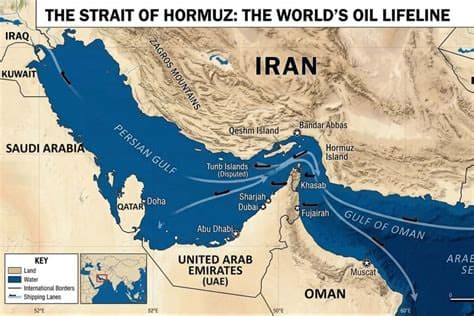
Then there's the broader regional context. The Middle East is a complex tapestry of alliances and rivalries, and a potential thaw between Washington and Tehran sends ripples across the entire region. Neighbors, both allies and adversaries of Iran, are watching closely. The prospect of a nuclear deal, however limited, could reshape regional security dynamics, influencing everything from oil prices to the flow of capital into emerging markets. It's a delicate balance, where every move on one side of the chessboard necessitates a counter-move, or at least a re-evaluation, on the other. Call me skeptical, but the regional players aren't just passive observers.
So, what does this mean for the digital asset space? Frankly, any reduction in global geopolitical tension is generally perceived as a positive for risk assets, and cryptocurrencies are no exception. A more stable Middle East could lead to increased foreign investment, potentially even in digital infrastructure. Moreover, if Iran were to gain more access to international banking, it could reduce its reliance on alternative, often less transparent, methods of value transfer, including certain crypto channels. The ripple effect here could be quite profound, influencing how nations view and utilize digital currencies in an increasingly interconnected world.
The market has a fever for certainty, and this quiet diplomatic overture, even if it's just a whisper, offers a glimmer of it. It’s a reminder that even in the most hardened standoffs, the possibility of dialogue, however fraught, never truly vanishes. The question, then, isn't whether a deal will be struck tomorrow, but whether the world is truly ready to listen to the other side of the conversation.
AI Image Disclaimer Visuals are created with AI tools and are not real photographs.
Source Check Credible sources exist for this article: Reuters Bloomberg CoinDesk Messari TradingView
Published by Banx Network. This article is part of the Banx decentralized media programme, powered by the BXE token on the XRP Ledger.