
Key Highlights
- European intelligence indicates Russia is supplying drones to Iran.
- The drones are advanced models refined through battlefield experience.
- This development reflects evolving military alliances amid regional tensions.
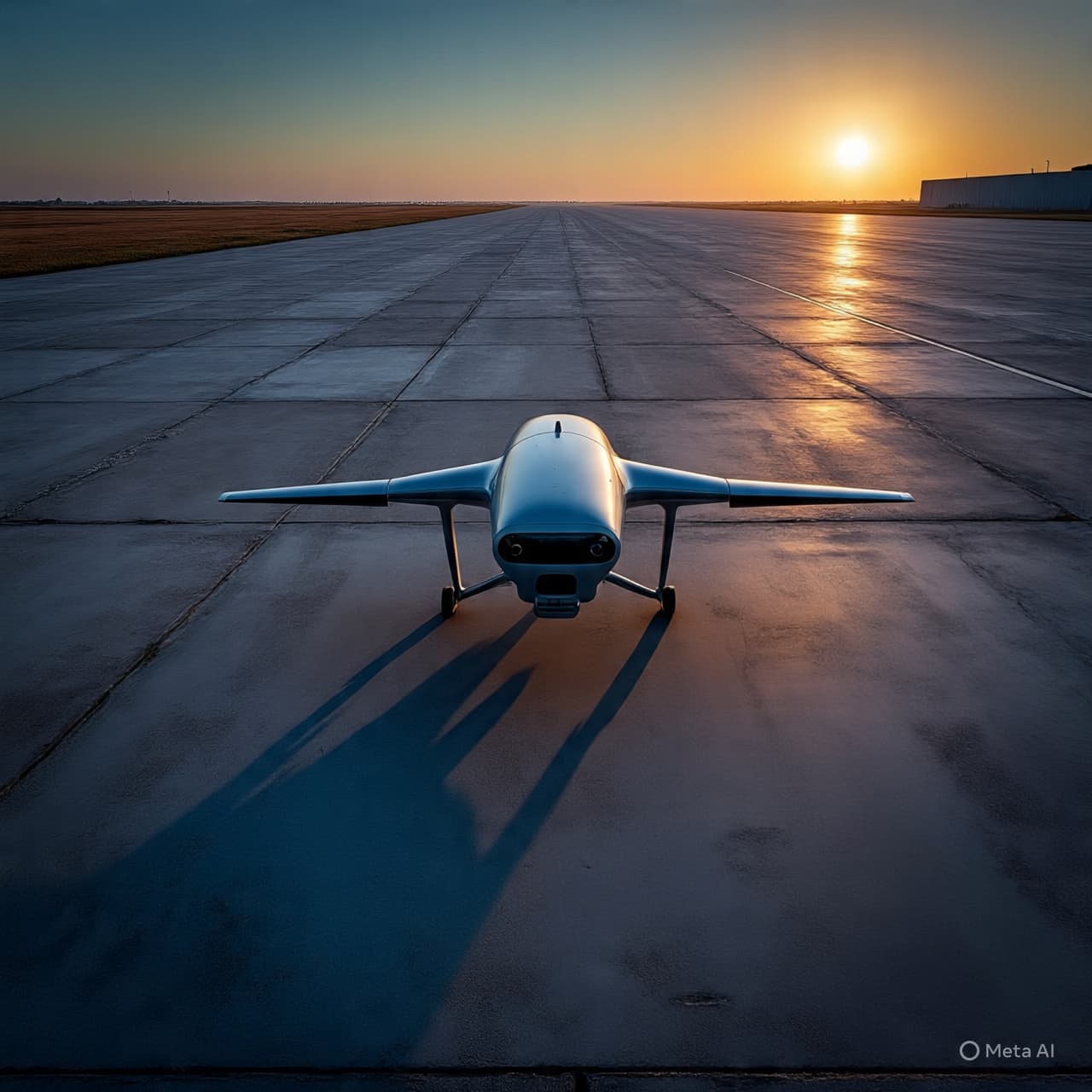
In the early hours across Eurasia, a delicate silence often precedes the dawn, hinting at the intricate connections that bind distant regions. This stillness is now punctuated by significant geopolitical developments, particularly concerning the relationship between Russia and Iran. Recent intelligence reports suggest that Russia is supplying advanced unmanned aerial vehicles (UAVs) to Iran, a move that could reshape the dynamics of modern warfare in the region.
These drones, unlike their rudimentary predecessors, have been honed through the rigors of conflict, particularly in Ukraine, where they have been extensively utilized. European intelligence officials have noted that these UAVs are not merely products of Russian innovation but are also influenced by Iranian designs that were previously shared with Russia. This exchange of technology underscores a complex relationship that has evolved over years of collaboration in military and defense sectors.
The implications of this drone supply extend beyond mere military logistics. The partnership between Moscow and Tehran has deepened, encompassing various facets of diplomacy, economics, and defense strategies. Recent discussions between their foreign ministers have highlighted the shifting landscape in the Middle East, where humanitarian concerns are often intertwined with military considerations. As these nations navigate the complexities of regional upheavals, the flow of military equipment raises questions about the future of conflict in the area.
In response to these developments, Ukraine has begun engaging with Gulf nations to address potential drone threats. The lessons learned from their own conflict with Russia have prompted these discussions, emphasizing the need for collaborative strategies to counter emerging threats. This dialogue reflects a broader trend where nations are increasingly aware of the interconnectedness of modern warfare and the necessity of forming alliances based on shared experiences and concerns.
Despite the opaque nature of these military exchanges, the information shared among European and American officials indicates a significant shift in how military partnerships are evolving. The dual nature of shipments, which may include both humanitarian aid and military equipment, illustrates the complexities of modern diplomacy. As nations grapple with the realities of warfare, the lines between humanitarian efforts and military support continue to blur.
As the day transitions to night, the world remains on edge, aware of the far-reaching consequences of these alliances. The quiet exchanges and decisions made in the shadows have the potential to alter the course of conflicts and influence global stability. In an era where technology and diplomacy are increasingly intertwined, the implications of these developments remind us that the future is shaped not only by visible actions but also by the unseen currents that flow beneath the surface.
Published by Banx Network. This article is part of the Banx decentralized media programme, powered by the BXE token on the XRP Ledger.



