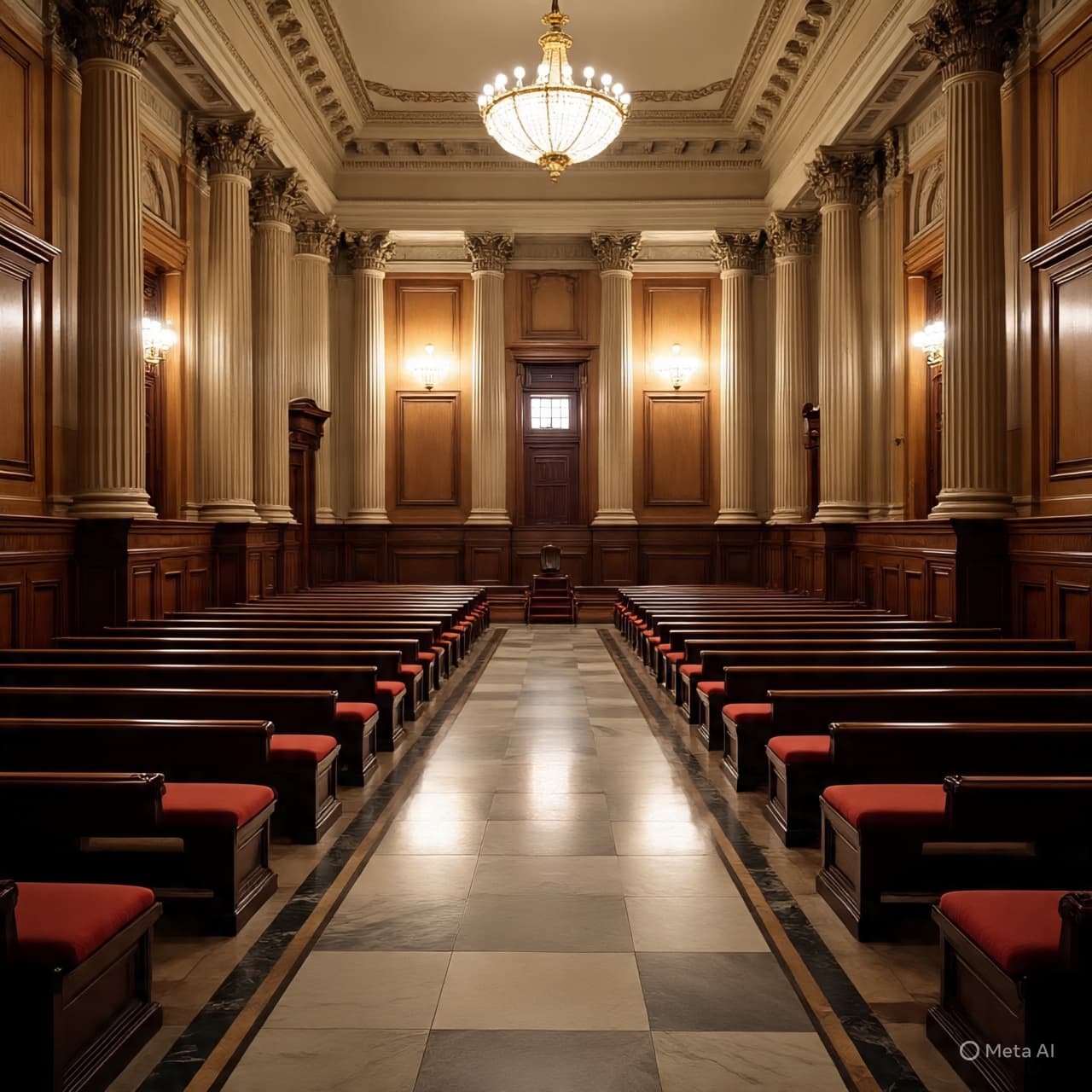
Political parties, like old houses, remember every argument held within their walls. The voices may fade, the faces may change, but the echoes linger — reminders of past divisions that resurface whenever the ground begins to shift. In such moments, leadership is often less about volume and more about stillness.
In Britain, that stillness was what Conservative Party leader Kemi Badenoch sought to invoke as she cautioned her MPs against internal plotting and what she described as unnecessary “psychodrama.” Speaking amid ongoing efforts to rebuild the party after electoral setbacks, Badenoch urged colleagues to focus on discipline and purpose rather than factional maneuvering.
Her remarks come at a delicate time for the Conservatives, who are navigating a period of introspection following defeat and searching for coherence in opposition. With public trust strained and internal confidence unsettled, even small signs of disunity risk becoming amplified far beyond Westminster’s corridors.
Badenoch’s message was not framed as rebuke, but as warning. She suggested that repeated cycles of leadership speculation and internal briefings had, in the past, distracted the party from its wider responsibilities. In a political climate shaped by economic pressure and voter fatigue, she argued, the public has little patience for inward-looking drama.
The Conservative leader emphasized the need for MPs to work collectively, outlining a vision of opposition built on policy development rather than personality conflict. Stability, she indicated, would not be imposed through authority alone but sustained through shared restraint.
Reports of dissatisfaction among some MPs have continued to circulate, reflecting broader questions about the party’s direction. Yet Badenoch’s intervention sought to draw a line between healthy debate and destructive performance — a distinction that has often proven difficult in modern politics, where internal disagreement quickly becomes public spectacle.
Her appeal also acknowledged an unspoken reality: rebuilding after defeat rarely follows a straight path. It is a process marked by uncertainty, competing instincts, and pressure from both supporters and critics. In such conditions, unity becomes not a slogan, but a discipline.
As Parliament resumes its rhythm, the Conservative Party faces the quieter work of redefining itself — deciding what it stands for, how it speaks, and whether it can resist the familiar pull of internal turbulence.
Badenoch’s words stand as a reminder rather than a decree. The party’s future will be shaped not by speeches alone, but by the choices made in private meetings and patient days ahead — where calm, if it holds, may speak louder than conflict.
AI Image Disclaimer Graphics are AI-generated and intended for representation, not reality.
Sources Reuters BBC News Sky News The Guardian Financial Times
Published by Banx Network. This article is part of the Banx decentralized media programme, powered by the BXE token on the XRP Ledger.