
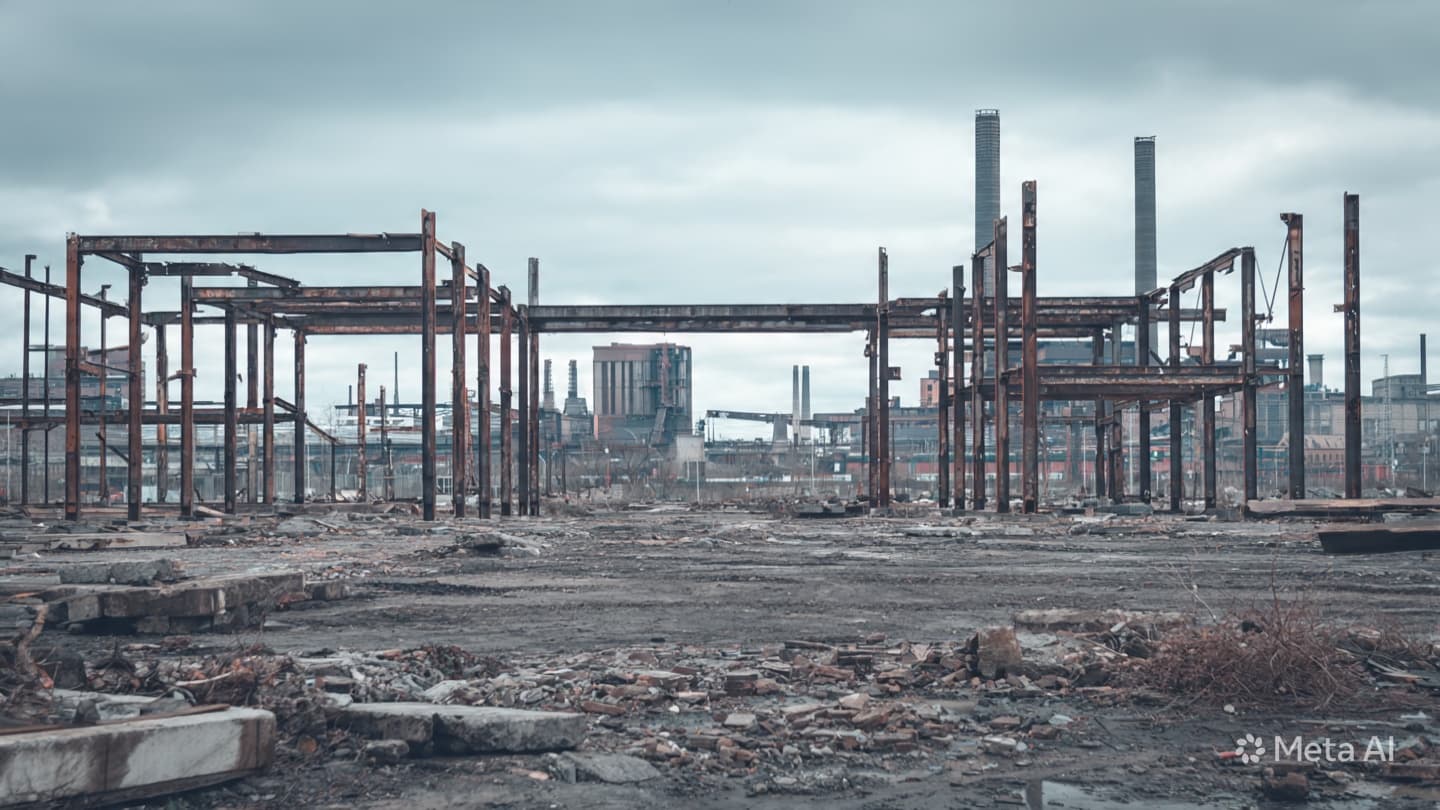
The valley surrounding Charleroi is a landscape defined by its industrial history, a place where the bones of past structures often stand in dialogue with the new, evolving architecture of the present. When a construction site collapses, the event carries a profound, jarring weight, as if the earth itself has reclaimed a portion of the human ambition placed upon it. The scene of the recent disaster is now a space of hushed activity, where the remnants of steel and concrete are treated with the reverence of a site marked by sudden, unexpected loss.
Walking near the perimeter, one is struck by the stark, vertical instability of what remains. The collapse has left a jagged, architectural scar on the landscape, a reminder of the fragility inherent in our attempts to reshape the physical world. It is not merely the failure of material that captures the attention, but the sudden, violent cessation of the work that was intended to connect the city. The site has shifted from a place of construction to a place of silent, forensic interrogation.
The rhythm of the work crews has been replaced by the measured, methodical pace of inspectors. They move across the debris with an awareness of the gravity that clings to every broken beam and tangled wire. Each piece of evidence is a fragment of a larger story—a narrative of safety standards, engineering calculations, and the delicate margin of error that exists between a structure standing and one that is lost. It is a clinical process, yet one filled with the somber weight of responsibility.
Observers within the community look upon the site with a sense of contemplative unease. The collapse has prompted a wider reflection on the state of local infrastructure and the rigorous demands placed upon those who build within the changing urban environment. There is a palpable sense that the event is more than a technical failure; it is a point of intersection between the ambition of progress and the necessity of caution. The silence of the site is filled with the weight of unanswered questions.
As the investigation into the collapse continues, the focus remains on the structural integrity of the site’s design and the adherence to safety protocols during the construction phase. There is an attempt to reconstruct the final moments of the structure’s stability, using data, wreckage analysis, and interviews to build a coherent timeline. The process is deliberate, reflecting a commitment to ensuring that such a tragedy does not repeat itself in the valleys of Belgium’s industrial heartland.
The surrounding terrain, scarred by the debris, seems to hold its breath as the investigation unfolds. This is a space where the past and future are in constant, uneasy negotiation, and the collapse has served as a harsh, uninvited mediator. The work of the experts is to restore a sense of order to this landscape, ensuring that the final conclusions are rooted in a firm understanding of the structural reality that led to the event.
In the aftermath, the focus is not on assigning blame, but on finding clarity. The authorities move with the steady, detached focus of those who hold the weight of justice and public safety in their hands. The site remains a point of focus for the community, a place where the progress of the city has been abruptly, painfully checked. It is a reminder of the vulnerability of our built environment when exposed to the complexities of modern engineering.
Looking toward the horizon, one sees the promise of eventual reconstruction, but that future feels distant from the stark reality of the present. The investigation is the bridge that will lead the community from the shock of the collapse to the security of an informed, safer path forward. Until then, the site remains a testament to the unforeseen challenges that define the delicate, often risky, endeavor of human construction.
Belgian authorities are currently conducting a detailed investigation into a fatal construction site collapse in Charleroi. The inquiry is examining potential safety violations and structural failures that may have contributed to the site’s sudden loss of integrity. Officials have restricted access to the immediate area while forensic engineering teams assess the materials and documentation provided by the construction firms involved. The investigation remains ongoing as the city coordinates with federal safety boards to finalize their findings.
Published by Banx Network. This article is part of the Banx decentralized media programme, powered by the BXE token on the XRP Ledger.
.jpg&w=3840&q=75 "Man Tapes Ears to His Head in Bizarre Attempt to Enter Poland With False Passport")

