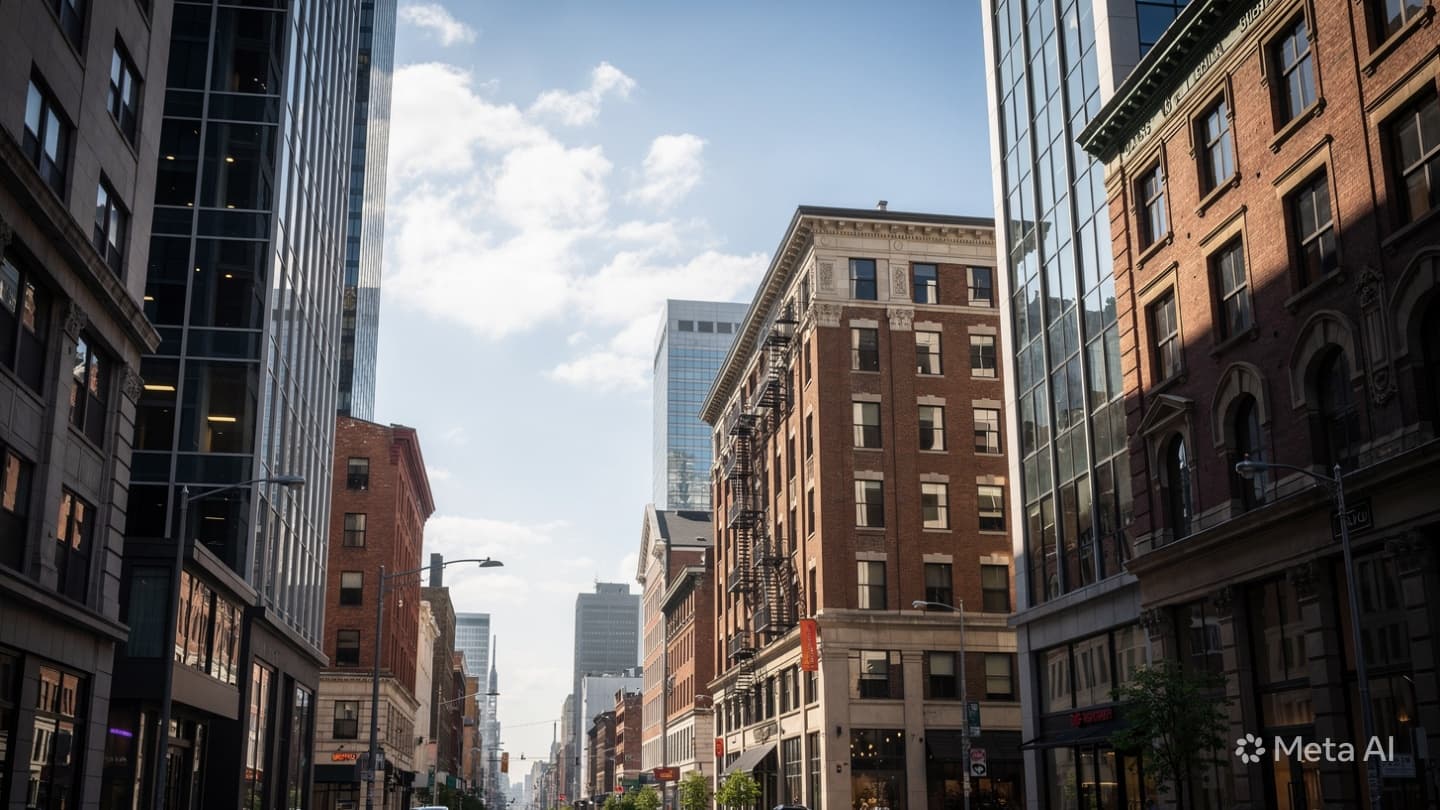
The architecture of a city like Dnipro is more than mere stone and concrete; it is the shell of our communal life, a repository of stories and daily routines. When a building falters, when the structure that offers shelter and stability suddenly yields, it feels like an intrusion of chaos into the heart of our urban existence. The collapse, with its suddenness and gravity, leaves a city grappling with the raw, exposed reality of the materials that house us.
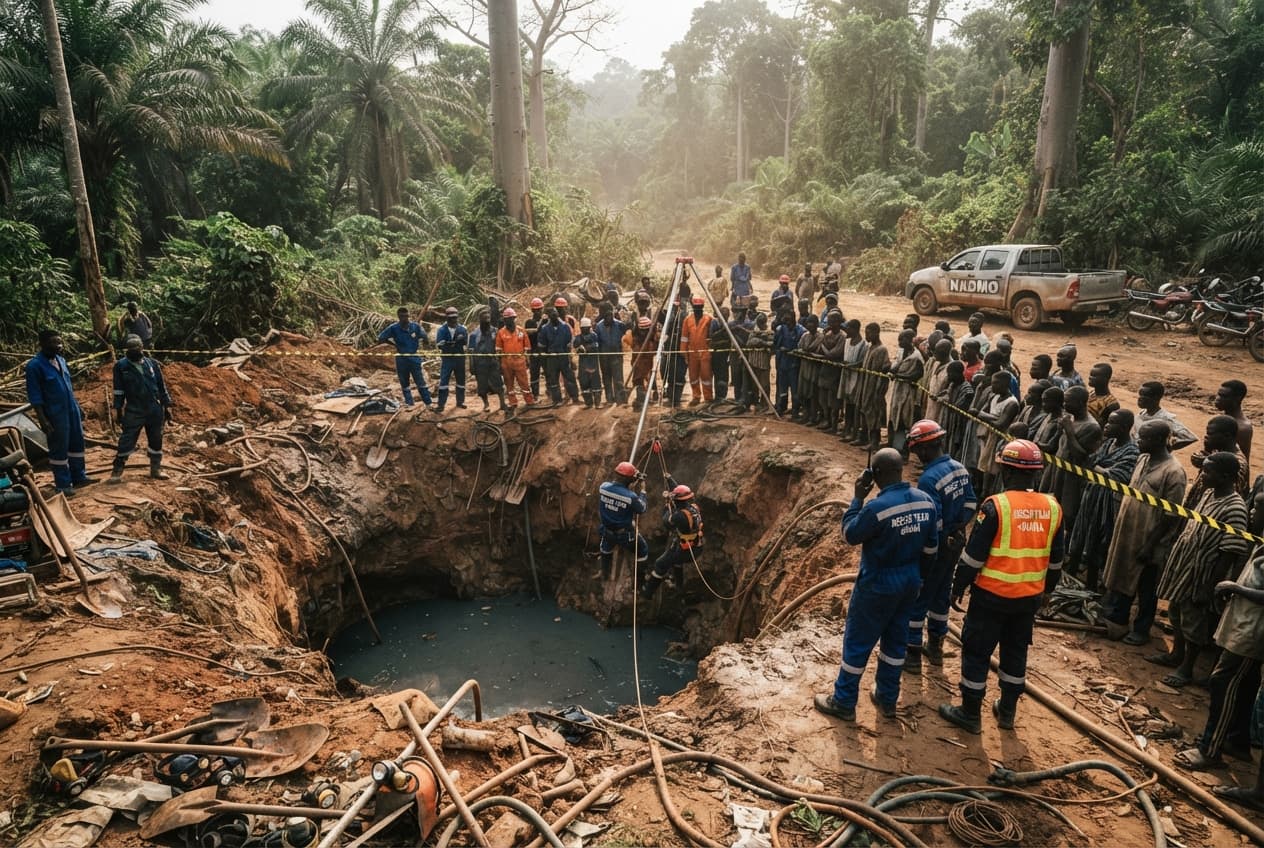
There is a visceral, haunting quality to the scene of a structural failure. The dust, the debris, and the jagged edges of a formerly complete structure create an atmosphere of profound uncertainty. It is a space where the rhythm of urban progress is stopped dead, replaced by the urgent, focused, and deeply human efforts of those who arrive to search for what has been lost beneath the weight of the ruin.
The recovery process is an exercise in both hope and resignation. As teams meticulously sift through the remnants of a space that was once vibrant with life, each discovery is met with a collective, bated breath. It is a struggle against the physics of the collapse, a slow, methodical attempt to reclaim a sense of order from the abrupt, final rearrangement of the built environment.
Reports indicate that rescue teams have recovered a body following the building collapse in Dnipro today. The operation, executed under conditions of extreme care, highlights the dangerous, unstable nature of the site. Every effort by the rescue workers is a testament to the commitment to hold a community together in the face of sudden, overwhelming destruction of the local environment.
The tragedy resonates deeply within the city, prompting questions about the integrity of the urban landscape and the safety of the spaces we occupy. There is a shared, reflective silence as the community processes the event, acknowledging that the structures we depend upon are subject to the same processes of decay and instability as all things. It is a moment of collective vulnerability.
For those involved in the search and recovery, the experience is profoundly draining, a professional engagement with the most tragic outcomes of structural failure. Their work is the essential bridge between the immediate, chaotic event and the long-term process of investigation and reconstruction. It is an act of service performed in the shadow of a deeply distressing disruption to urban life.
Local authorities have focused their efforts on securing the site, preventing further harm, and initiating an investigation into the causes of the collapse. This procedural response is the first step toward understanding how such a significant failure could occur, with the hope of preventing its repetition. The investigation is marked by a sober awareness of the human lives affected by this event.
The authorities officially confirmed the recovery of the body and have transitioned to the phase of securing the surrounding area. The investigation into the structural causes of the collapse is ongoing, with engineers and experts being called upon to analyze the remnants. The city remains in a state of quiet contemplation as it faces the aftermath of this unexpected and profoundly sad occurrence.
Published by Banx Network. This article is part of the Banx decentralized media programme, powered by the BXE token on the XRP Ledger.