
Key Highlights
- Cyclone Vaianu impacted New Zealand's North Island, prompting evacuations.
- Communities united in shelters, sharing warmth and concern during the storm.
- Environmental effects include altered landscapes and nesting grounds for birds.
Cyclone Vaianu made its presence felt across New Zealand's North Island, transforming the atmosphere long before the first drops of rain fell. The air thickened with the scent of salt and the weight of impending pressure, signaling a storm that would blur the lines between land and sea. As the winds gathered strength, they whispered through the valleys, heralding a night of uncertainty for coastal towns. Residents braced themselves, aware of the ancient power of storms that transcend borders.
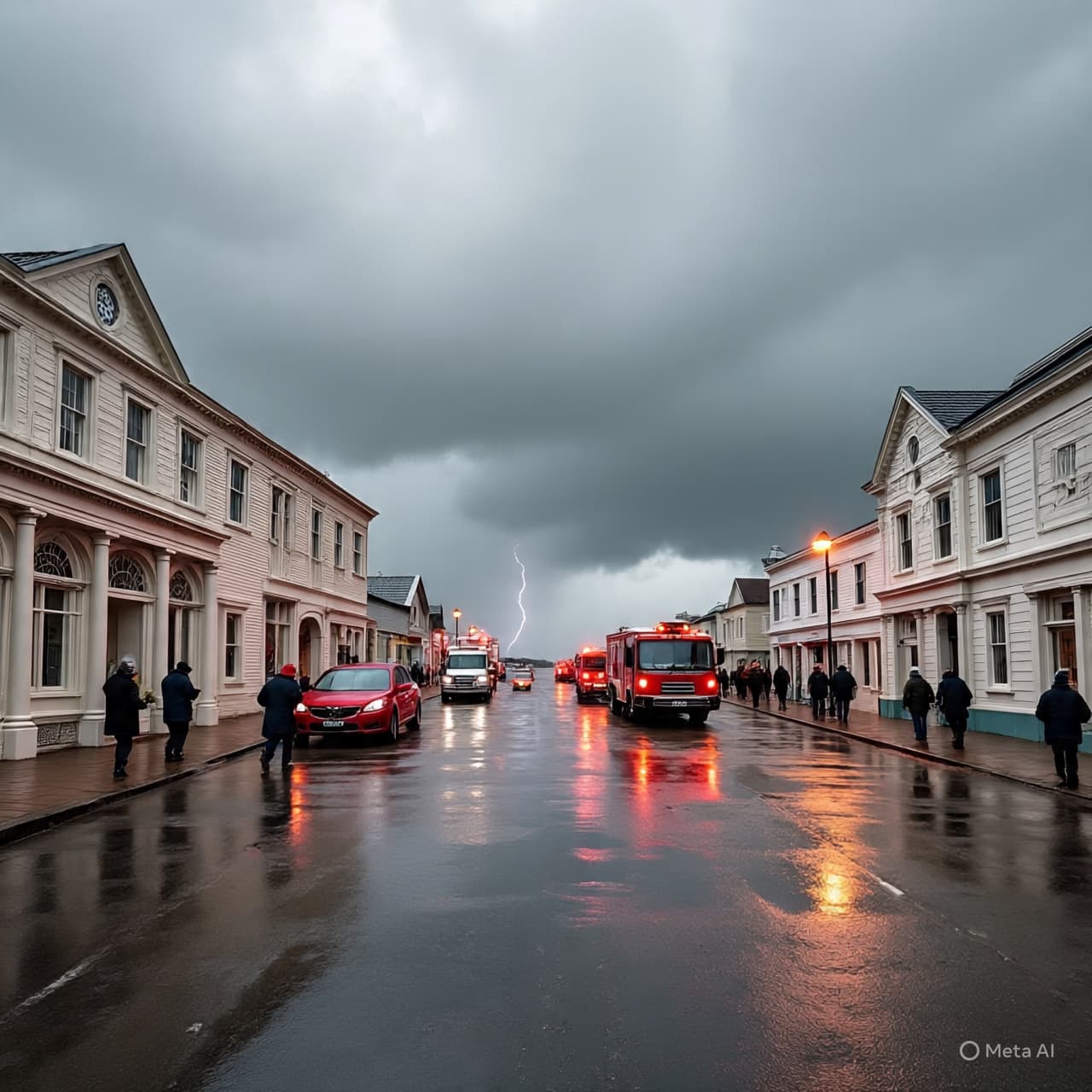
As the cyclone approached, water became a formidable force, reshaping the landscape and claiming roads and homes. Evacuations were ordered, with hundreds moving to higher ground, leaving behind their properties as silent witnesses to nature's might. The act of evacuation embodies a unique bravery, a recognition of humanity's vulnerability against the overwhelming power of the elements. The floods swept through streets, reflecting a sky that seemed to forget the sun.
The sound of the cyclone was a symphony of chaos, blending the frantic tapping of rain against roofs with the deep thuds of ocean waves crashing against cliffs. In this time of crisis, communities came together in school halls and community centers, sharing tea and collective concern. The storm catalyzed a sense of unity, dissolving the divisions of daily life as neighbors focused on each other's safety and the strength of their shelters. Such moments remind us of the essential human connections often overshadowed by the routine of everyday life.
As the cyclone's center passed, the landscape bore the scars of its fury. Trees that had stood for generations bent under the gale, their branches reaching out in desperation. For those sheltered from the storm, the world outside resembled a watercolor painting blurred by rain, a reminder of the living nature of the islands we inhabit. The aftermath revealed a landscape forever altered, a testament to the relentless forces of nature.
In the wake of the cyclone, silence enveloped the region, heavy with the weight of destruction. The receding waters left behind silt and a renewed sense of purpose for the cleanup efforts ahead. New Zealanders are known for their stoicism, viewing such events as part of their ongoing dialogue with the sea—a cycle of endurance and rebuilding that characterizes life in this region. The damage inflicted by the storm is not merely physical; it also alters the familiar vistas that shape the community's identity.
Recovery begins with stepping outside to assess the damage, a process that is both communal and deeply personal. Local authorities swiftly worked to restore power and clear transportation routes, their bright yellow vests contrasting against the damp landscape. Yet, even as repairs commenced, the memory of the storm's ferocity lingered in the minds of those who experienced it. Each storm leaves a psychological imprint, a reminder of the fragility of life along the coast.
The environmental ramifications of Cyclone Vaianu extend beyond human settlements, impacting coastal bird nesting grounds and the delicate balance of river systems. As the sun broke through the clouds, illuminating the sodden earth, the resilience of nature became apparent. New growth will eventually emerge from the silt, and rivers will return to their banks, but the landscape will forever bear the marks of the cyclone's passage. This event serves as a powerful reminder of the transformative forces of nature and the enduring spirit of those who call this land home.
Reflecting on the cyclone, one realizes it was more than just a storm; it was a moment of profound reflection, urging us to reconsider our relationship with the climate. It serves as an editorial written in the language of rain and shadow, reminding us of our place in the natural world and the ongoing dialogue we must engage in with the environment.
Published by Banx Network. This article is part of the Banx decentralized media programme, powered by the BXE token on the XRP Ledger.



