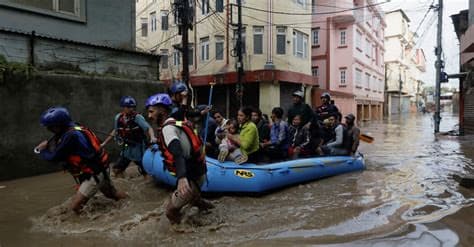
In the aging streets of Havana, where the salt-heavy air of the Caribbean slowly carves its mark into stone and mortar, there is a recurring narrative of vulnerability. For those who inhabit these historic quarters, the collapse of a building is rarely a singular event; it is the culmination of decades of deferred maintenance, the steady encroachment of humidity, and the profound difficulty of securing materials in a time of scarcity. To walk past these crumbling facades is to bear witness to a slow-motion unraveling of history, where the once-grand architecture becomes a perilous neighbor, and where a night of heavy rain can turn a family’s shelter into a scene of sudden, quiet tragedy.
When a building fails, the aftermath is a sobering testament to the struggle between preservation and necessity. The loss is not merely physical; it is an interruption of the social fabric, displacing families who have often occupied these spaces for generations. Rescue efforts, conducted with urgency and often at great personal risk to those who step into the wreckage, highlight the bravery found in the face of disaster. Yet, beneath the immediate response, there is a lingering, contemplative question regarding how a city balances its architectural heritage with the urgent, modern requirement for safety and basic habitability.
Recent reports from the capital have underscored this persistent crisis, detailing incidents where structural decay, compounded by seasonal weather, led to fatal collapses. The data often speaks in terms of thousands of buildings requiring urgent intervention—a staggering figure that reflects not just a failure of construction, but the immense economic headwinds faced by the population. These are not merely statistics; they are markers of a life interrupted, reminding observers that beneath the picturesque decay of Old Havana lies a reality of constant, calculated risk for its inhabitants.
In other parts of the country, the challenges of mobility and the inherent dangers of the road create a different, yet equally stark, pattern of loss. Traffic accidents in central provinces are frequently noted by authorities as a leading concern, with investigations often pointing to a confluence of factors: the age of the vehicle fleet, the state of rural infrastructure, and the unpredictable nature of transit under strained conditions. To hear of a fatal crash on the Carretera Central is to understand that the act of moving from one place to another—a mundane necessity—is fraught with a fragility that shadows every commute.
The judicial and transit authorities approach these incidents with a methodical, forensic rigor, attempting to reconstruct moments of chaos into coherent accounts of cause and consequence. Whether it is an investigation into a structural failure or a roadway collision, the intent is to bring a sense of resolution to those left behind. However, the recurring nature of these events leaves a reflective residue upon the public consciousness, a realization that the safety of the individual is intimately tied to the health of the infrastructure they navigate.
Beyond the urban collapses and the roadway tragedies, there are moments where human conflict creates its own cycle of sudden loss, leaving behind a silence that demands explanation. Incidents involving maritime vessels or localized fires often pull the curtain back on deeper, more complex geopolitical or social tensions. When authorities report on these deaths, the information arrives in fragments—official statements followed by a period of inquiry—and the public is left to reconcile the cold reality of the news with the human lives that have been extinguished in an instant.
The investigative process serves as the bridge between the suddenness of the event and the communal need for understanding. Forensic teams, local police, and administrative bodies work under the lens of public scrutiny, knowing that their findings will be the final word for families seeking closure. This is a deliberate, slow-motion labor, an attempt to impose order on a reality that can feel overwhelmingly unpredictable. In this process, the focus remains on gathering facts, identifying culpability, and preventing the repetition of similar events.
As the community moves forward, the focus shifts toward stabilization and the long-term outlook for public safety. Government agencies, while managing the immediate aftermath of these various incidents, remain under pressure to address the structural and systemic issues that contribute to such a high frequency of accidents and failures. It is a slow, methodical march toward a future that hopes to be more secure, though the current reality remains one of constant, attentive vigilance.
Official reports indicate that investigations into recent structural collapses and fatal traffic incidents are ongoing, with local authorities providing updates as forensic evidence is processed. Government officials have emphasized the importance of public adherence to safety regulations, while humanitarian aid efforts are being directed toward families affected by these tragedies. The recovery process continues, as the nation balances the immediate requirements of emergency response with the broader, long-term necessity of addressing its underlying infrastructure challenges.
Published by Banx Network. This article is part of the Banx decentralized media programme, powered by the BXE token on the XRP Ledger.