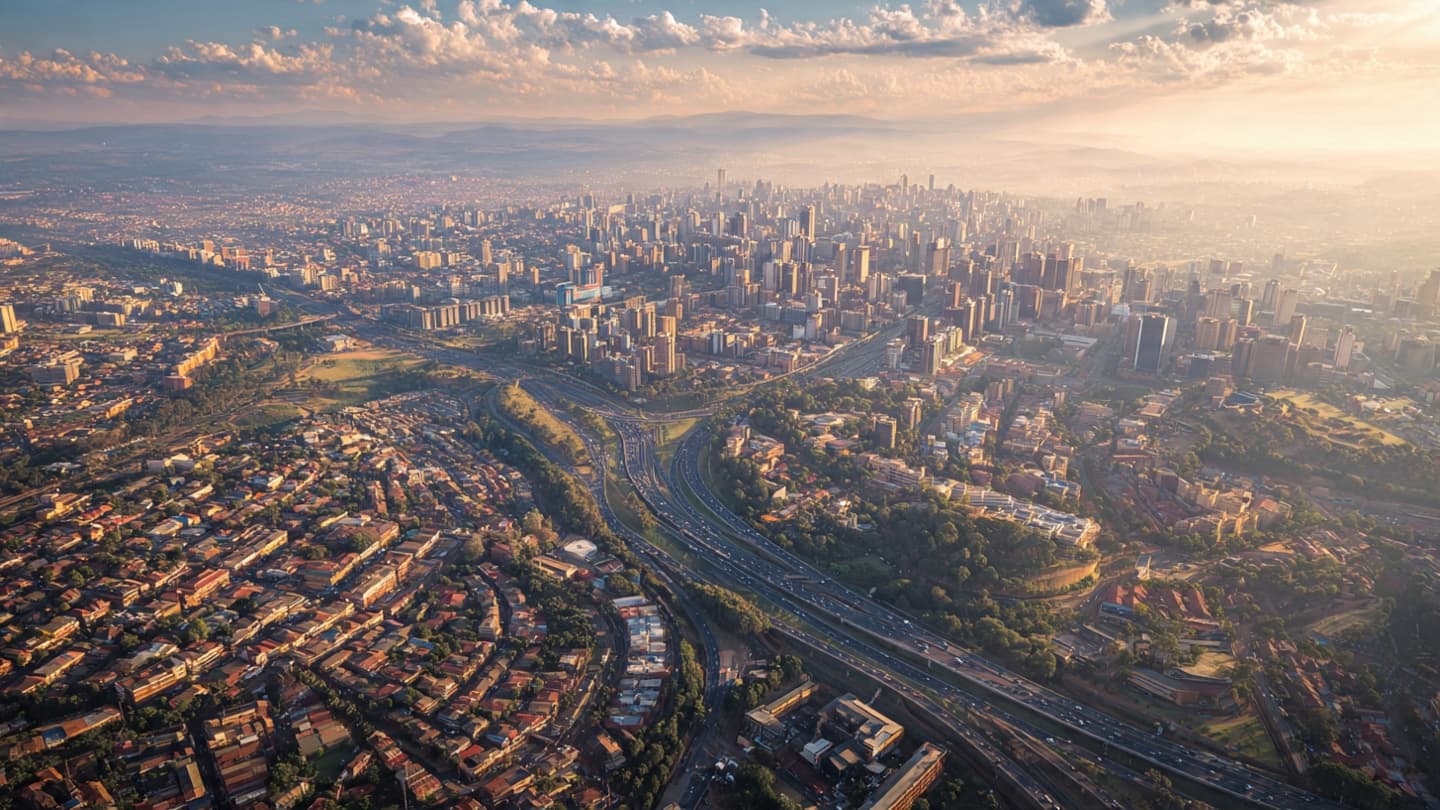
Morning settles slowly over Johannesburg, where the city awakens in layers of sound and movement. Street vendors prepare their stalls, taxis weave through familiar routes, and neighbors greet one another across sidewalks that have long welcomed people from many corners of the African continent. Yet beneath these ordinary rhythms, conversations about belonging have become increasingly difficult, shaped by economic hardship, uncertainty, and the search for someone to blame.
Among the most visible figures in that national debate is a South African mother who has become a leading voice in the anti-immigration movement. Through marches, community meetings, and public campaigns, she argues that undocumented immigration has placed growing pressure on employment, public services, and neighborhood safety. Her activism has attracted significant public attention and has become a symbol of a wider movement that has expanded across several cities.
Supporters of the movement describe it as an effort to encourage stronger enforcement of immigration laws and greater protection for South African workers. Critics, however, warn that the campaign has increasingly blurred the distinction between undocumented migrants and legally resident foreign nationals, leaving many immigrant families fearful regardless of their legal status. Human rights organizations have expressed concern that hostility has spread into communities where people have lived peacefully together for years.
In recent weeks, demonstrations have taken place across Johannesburg, Durban, and other cities. Some marches remained peaceful, while others escalated into intimidation, vandalism, and door-to-door searches for suspected undocumented migrants. Reuters journalists witnessed protesters escorting people they believed to be undocumented to police vehicles, even though some later stated they possessed valid legal permits to remain in the country.
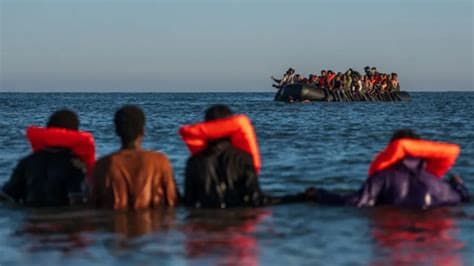
The growing tension has already reached beyond South Africa's borders. Thousands of migrants from countries including Zimbabwe, Malawi, and Mozambique have returned home voluntarily or sought assistance from their governments after fears of violence intensified. Neighboring countries have organized repatriation efforts while calling for the protection of their citizens living abroad.
Economists and labor experts caution that migration is woven deeply into South Africa's economy. Foreign workers play important roles in agriculture, construction, retail, transportation, hospitality, and countless small businesses that serve local communities every day. Many researchers argue that removing large numbers of migrant workers could create labor shortages and disrupt industries already facing economic strain.
President Cyril Ramaphosa has acknowledged public concerns surrounding immigration while condemning vigilante actions and xenophobic violence. His government has pledged to strengthen immigration enforcement through lawful channels, emphasizing that only state authorities—not private groups—should determine who may remain in the country.
Beyond politics and policy, the story remains deeply human. Families who crossed borders seeking safety or opportunity now live alongside South Africans confronting unemployment and rising living costs. Each carries hopes shaped by different journeys, yet they increasingly meet within the same neighborhoods, schools, clinics, and workplaces, where trust has become more fragile than before.
As evening settles over the Highveld, Johannesburg's lights continue to stretch toward the horizon much as they always have. The debates surrounding immigration are unlikely to disappear quickly, nor will the economic challenges that have given them urgency. Whether the country ultimately finds solutions through dialogue, stronger institutions, or new policies, the future may depend not only on how borders are managed, but also on how a diverse society continues to define community, dignity, and shared responsibility.
AI Image Disclaimer: These illustrations were generated using AI to provide conceptual visual representations and are not authentic photographs.
Sources: Reuters, Associated Press, United Nations, Human Rights Watch, International Organization for Migration.
Published by Banx Network. This article is part of the Banx decentralized media programme, powered by the BXE token on the XRP Ledger.