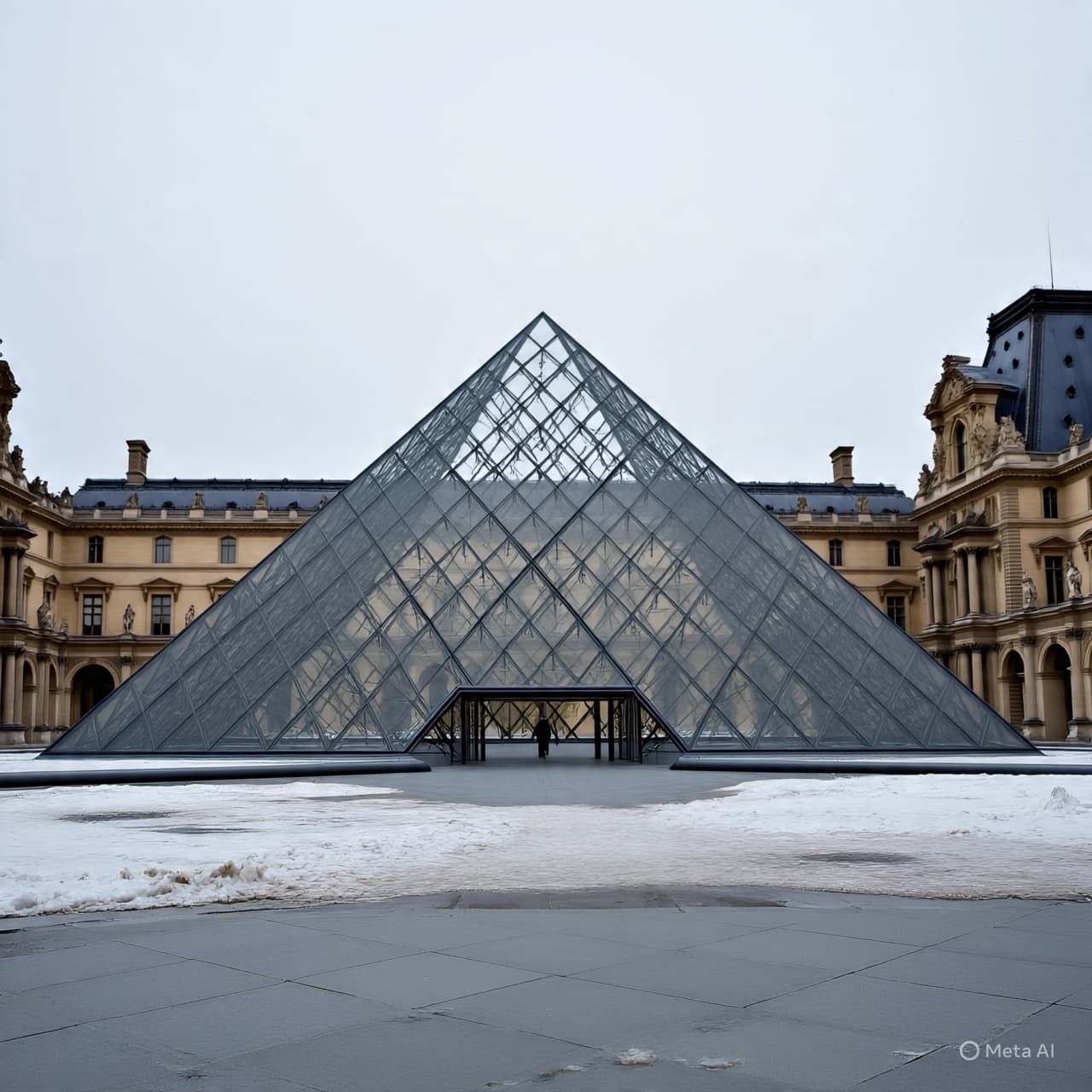
In the hushed majesty of Paris’s winter mornings, when the Seine glints quietly beneath pale skies and the city stirs with a gentle chill, the Louvre stands as a repository of history and human imagination. Yet on December 15, 2025, the halls that house centuries of art and heritage spoke in a different tone—one not of whispers before the Mona Lisa, but of voices joined in protest. Workers at the world’s most‑visited museum cast their ballots, choosing to strike over long‑standing concerns about their working conditions and the very infrastructure that supports this hallowed institution.
The decision, delivered by staff members from several unions, including CFDT, CGT, and Sud, brought the Louvre’s daily rhythm to an unexpected halt. Instead of welcoming a stream of visitors through its iconic glass pyramid entrance, the museum remained closed, ticket holders were turned away, and banners and flags appeared where quiet steps normally echo.
For those who had traveled to witness the vast collections—from ancient antiquities to Renaissance masterpieces—the closure was a moment of disappointment mingled with reflection. Yet behind the immediate disruption lies a deeper story. Workers have raised alarms not only about staffing levels and pay, but also about security, visitor services, and the very safety of the museum’s treasures and personnel. Concerns that have grown increasingly urgent in the months following a high‑profile jewel heist in October, when French crown jewels were stolen in broad daylight, have now surfaced in the collective voice of the museum’s staff.
Unions have argued that years of underinvestment in staffing and infrastructure have left the institution strained, its corridors crowded and its workers stretched thin. They point to multiple incidents—security lapses, leaks within historic rooms, and repair delays—as signs that essential maintenance has lagged behind aspirations for expansion and global prominence.
For many visitors, the silence at the Louvre today contrasts sharply with expectations of vibrant galleries and hushed commentary before beloved works of art. Yet the strike also surfaces an essential truth: that the care of cultural heritage depends not only on preservation of objects, but on the people who guard, interpret, and share them. In seeking changes to working conditions and resources, employees are reminding the world that a museum’s strength rises from both its collections and its caretakers.
As this industrial action unfolds, authorities and union representatives have indicated ongoing talks. The duration of the strike remains uncertain, and its outcomes will likely resonate beyond the museum’s ornate doors, shaping conversations about labor, culture, and community in the heart of Paris.
AI Image Disclaimer Visuals are created with AI tools and are not real photographs.
Sources (news): ABC News
• Reuters
• The Guardian
• Museums Journal
• Cadena SER
Published by Banx Network. This article is part of the Banx decentralized media programme, powered by the BXE token on the XRP Ledger.