Time has a way of softening the edges of memory, yet for some wounds, the passage of years only deepens the silence that follows. In the hallowed halls of justice, where the weight of history is measured against the lightness of present-day procedure, a doctor now stands accused. The charges relate to the 1994 genocide in Rwanda, a tragedy that reshaped the moral landscape of the world. As he faces the court, the atmosphere is not one of immediate anger, but of a profound, reflective solemnity, reminding us that accountability often arrives long after the events themselves have faded from daily news cycles.
The individual in question, a former medical professional, is alleged to have played a role in the systematic violence that claimed hundreds of thousands of lives. For decades, the pursuit of those responsible has been a slow and meticulous process, driven by international tribunals and national courts alike. This case, emerging in France, represents another chapter in the ongoing effort to address the crimes of the past. It is a reminder that geography and time do not necessarily offer sanctuary to those implicated in such grave violations of human dignity.
The legal proceedings are grounded in the principle that certain acts transcend borders and eras. By bringing this case to trial, the judicial system asserts that the duty to remember and to judge remains active, even thirty years after the fact. For the survivors and the families of victims, the courtroom becomes a space where their suffering is acknowledged, not just as historical data, but as a living reality that demands recognition. The presence of the accused, once a figure of authority and healing, now facing allegations of complicity, creates a stark contrast that challenges our understanding of trust and betrayal.
Evidence presented in such cases often relies on witness testimonies and archival records, piecing together a narrative that was deliberately obscured during the chaos of conflict. The role of a doctor, traditionally associated with care and preservation of life, adds a layer of complexity to the allegations. If proven, the involvement of medical professionals in such atrocities would represent a profound breach of ethical oaths, turning instruments of healing into tools of harm. This duality forces society to confront the uncomfortable truth that expertise can be misused when moral compasses fail.
The international community has long watched these trials with a mix of hope and fatigue. While each conviction offers a measure of justice, the sheer scale of the genocide means that many questions remain unanswered. Yet, the persistence of legal efforts demonstrates a collective refusal to let these crimes disappear into the fog of history. It is a testament to the resilience of those who seek truth, even when the path is long and the obstacles are numerous. The court’s decision will not only affect the individual on trial but also send a message about the enduring reach of international law.
For Rwanda itself, these distant trials are part of a broader journey toward reconciliation and healing. While the country has made significant strides in rebuilding its social fabric, the shadow of the past still lingers in various forms. The outcomes of such cases contribute to the global narrative of accountability, reinforcing the idea that no one is beyond the reach of justice, regardless of how much time has passed. It is a slow process, but one that is essential for maintaining the integrity of human rights standards worldwide.
As the trial proceeds, the focus remains on the facts and the law, rather than on retribution. The goal is to establish the truth with clarity and precision, ensuring that the verdict is based on evidence rather than emotion. This approach, while sometimes perceived as cold, is necessary to uphold the fairness of the judicial process. It allows for a resolution that is both legally sound and morally significant, providing a structured end to a chapter that has remained open for far too long. The case of the doctor facing genocide charges is a poignant reminder of the long arm of justice. It underscores the importance of remembering the past, not to dwell in sorrow, but to ensure that such horrors are never repeated. As the court deliberates, the world watches with a quiet respect for the process, acknowledging that true peace is built on the foundation of truth and accountability.
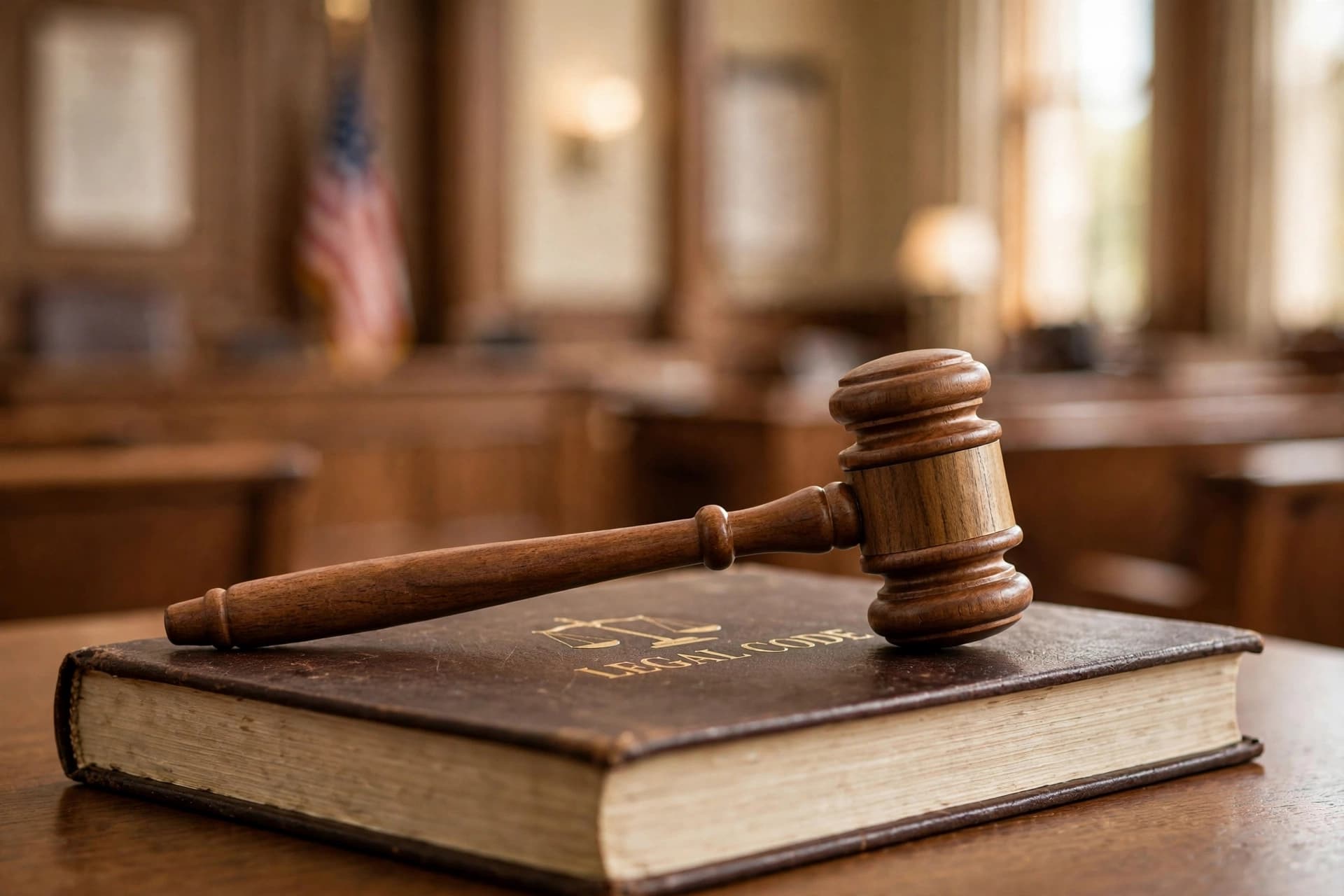
AI Image Disclaimer: The visual elements accompanying this article are AI-generated illustrations designed to reflect the themes of justice and historical reflection, not actual photographs of the courtroom or individuals involved.
Sources: France 24 The New York Times CBC News
Published by Banx Network. This article is part of the Banx decentralized media programme, powered by the BXE token on the XRP Ledger.