
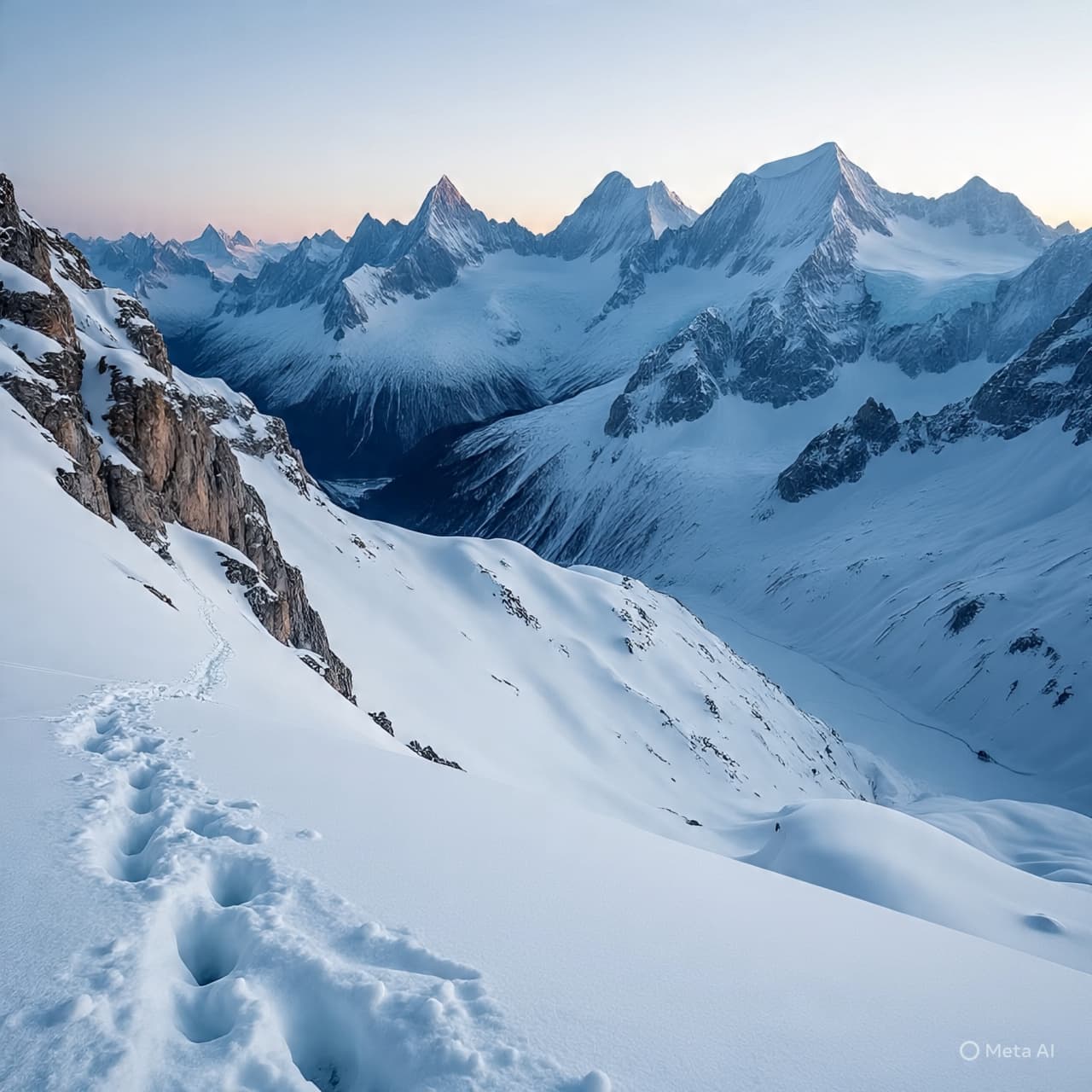
In high places, where the earth leans toward the sky and the wind seems to hold its breath, climbers have always walked the line between human aspiration and nature’s indifference. Last week, that line shimmered in a different light as a judge in Innsbruck returned a verdict that many say could echo beyond Austria’s Alps. An amateur mountaineer, Thomas P., was convicted of gross negligent manslaughter for leaving his climbing partner — and partner in life — on a snowy ridge of the Großglockner, Austria’s tallest peak, where she later died of hypothermia in January 2025.
The story, at first glance, reads like the kind of tragedy mountain communities hope never to hear: two climbers set out together, weather turns cold and unforgiving, exhaustion sets in, and one is left behind. But what captured attention far beyond the Alpine valleys was the legal finding that the more experienced climber’s decisions were not merely misjudgments of weather and stamina, but failures to uphold a responsibility now interpreted — perhaps newly — as a form of duty of care.
Judge Norbert Hofer, himself versed in mountain law, described an uneven difference in experience between the pair that transformed Thomas P.’s role into that of an informal guide — not because he was paid, but because his partner would not have embarked on a climb of such difficulty without him. By pressing on in winter conditions and not adequately securing shelter or communicating delays and risks to rescuers, the court said, he fell below the standard of care expected in those circumstances. The sentence — a five-month suspended term and a fine of €9,600 — has sparked debate not just about this case, but about what it means to share responsibility on perilous terrain.
Across Europe, mountaineers, lawyers, and insurers are watching closely. Mountain sports are, by nature, ventures into risk, and the Alps have long been places where freedom and danger mingle in the thin air above the tree line. Yet this verdict suggests that freedom carries a legal weight as well as a moral one. Some experts argue that because each climbing story has its own details — weather, experience, equipment, timing — the case will have limited application beyond Austria. Others, though, see in it the first stirrings of a broader reassessment of liability: what happens if one climber’s decisions are judged in a courtroom rather than a bivouac?
In conversations among climbers, the mountains are often spoken of as teachers — harsh ones — offering lessons in humility, respect, and reading the terrain. Now the legal system appears to be entering that classroom, inviting reflection on how risk is shared, how experience translates to responsibility, and how the costs of the freedom to roam might be counted in more ways than one. Whether this case marks a turning point or a rare interpretation of unique facts, its ripples are already felt in the community that climbs where earth meets sky.
AI Image Disclaimer (Rotated Wording) Illustrations were produced with AI and serve as conceptual depictions.
Sources (Credible Mainstream/Niche Media) The Guardian AP News Reuters ITV News The Times
نُشر بواسطة Banx Network. هذا المقال جزء من برنامج الوسائط اللامركزية من Banx، مدعومًا برمز BXE على شبكة XRP Ledger.


