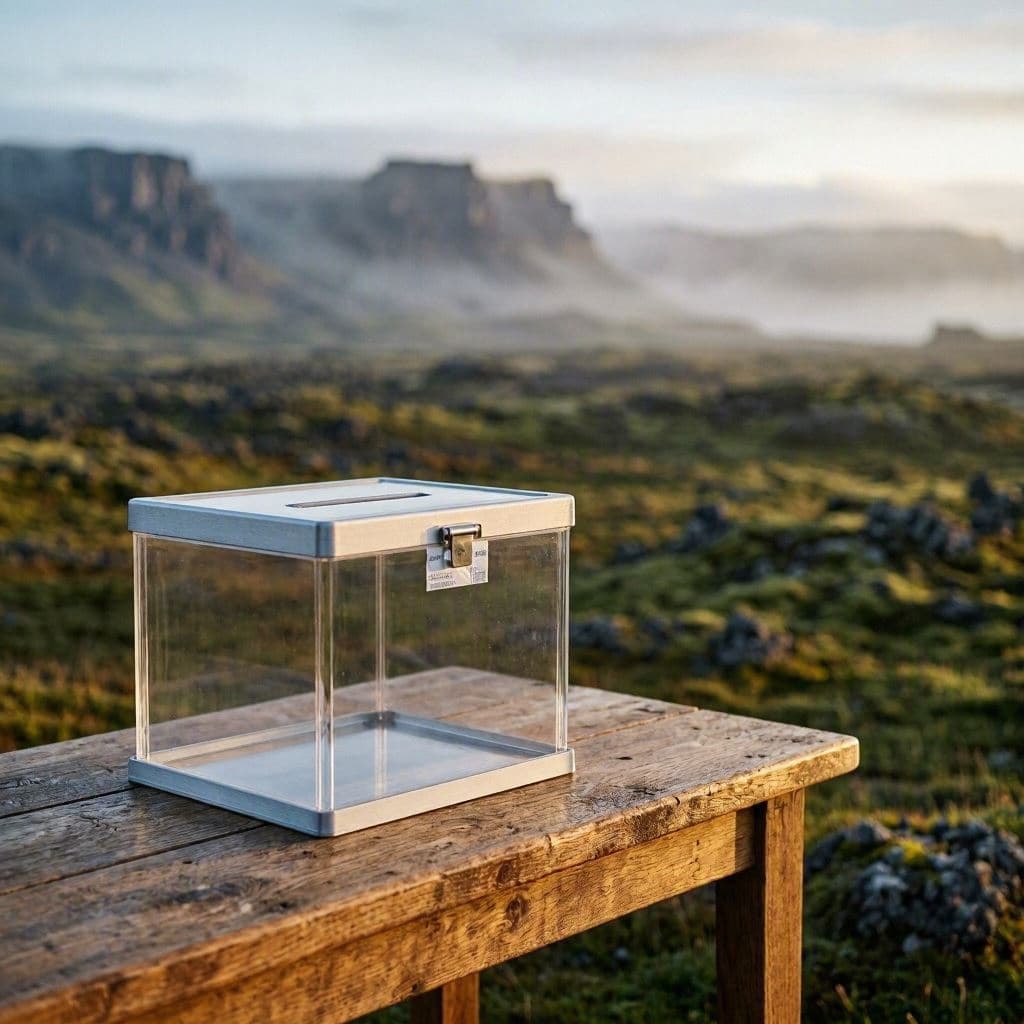
In the land of fire and ice, where the landscape itself seems to whisper tales of resilience and isolation, a different kind of current is flowing. The citizens of Iceland have turned out in significant numbers to cast their votes in a referendum that could redefine the nation’s place in the European tapestry. The air is thick with anticipation, not just for the result, but for the collective expression of a people standing at a crossroads of identity and integration.
The high preliminary turnout suggests that this is not merely a political exercise but a moment of profound civic engagement. For a nation that has long cherished its independence while navigating the complexities of global interdependence, the decision carries weight. It reflects a deep-seated desire to have a voice in shaping the future, whether that future lies within the broader European framework or remains distinctly sovereign.
The race is expected to be close, mirroring the nuanced sentiments of the Icelandic public. On one side, there is the allure of economic stability and deeper cultural exchange; on the other, the preservation of unique traditions and autonomy. This dichotomy is not new, yet it feels particularly acute in this moment, as voters weigh the tangible benefits against the intangible values of self-determination.
Campaigns leading up to the vote have been characterized by respectful debate rather than divisive rhetoric. This tone reflects the Icelandic ethos of consensus and community, where differences are acknowledged but not allowed to fracture the social fabric. It is a reminder that democracy, at its best, is a dialogue rather than a battle.
As ballots are counted, the world watches with interest. Iceland’s decision could serve as a bellwether for other small nations grappling with similar questions of sovereignty and union. The outcome will not only affect domestic policy but also signal how smaller states view their role in an increasingly interconnected world.
For many voters, the choice is personal. It touches on issues of fishing rights, agricultural subsidies, and freedom of movement. Yet, beneath these practical concerns lies a broader philosophical question: what does it mean to be Icelandic in the twenty-first century? The referendum is, in essence, a mirror held up to the nation’s soul.
Regardless of the final tally, the high participation rate is a victory for democratic spirit. It demonstrates that when citizens feel their voices matter, they engage with enthusiasm and purpose. This energy, channeled through the ballot box, is a testament to the health of Iceland’s political culture.
Icelanders have demonstrated strong civic engagement with high turnout in a closely watched EU referendum. As votes are tallied, the nation awaits a result that will shape its future relationship with Europe.
AI Image Disclaimer: Please note that the visual elements accompanying this article are AI-generated illustrations designed to evoke the mood of the narrative.
Sources: Reuters Iceland Monitor Euronews
Published by Banx Network. This article is part of the Banx decentralized media programme, powered by the BXE token on the XRP Ledger.