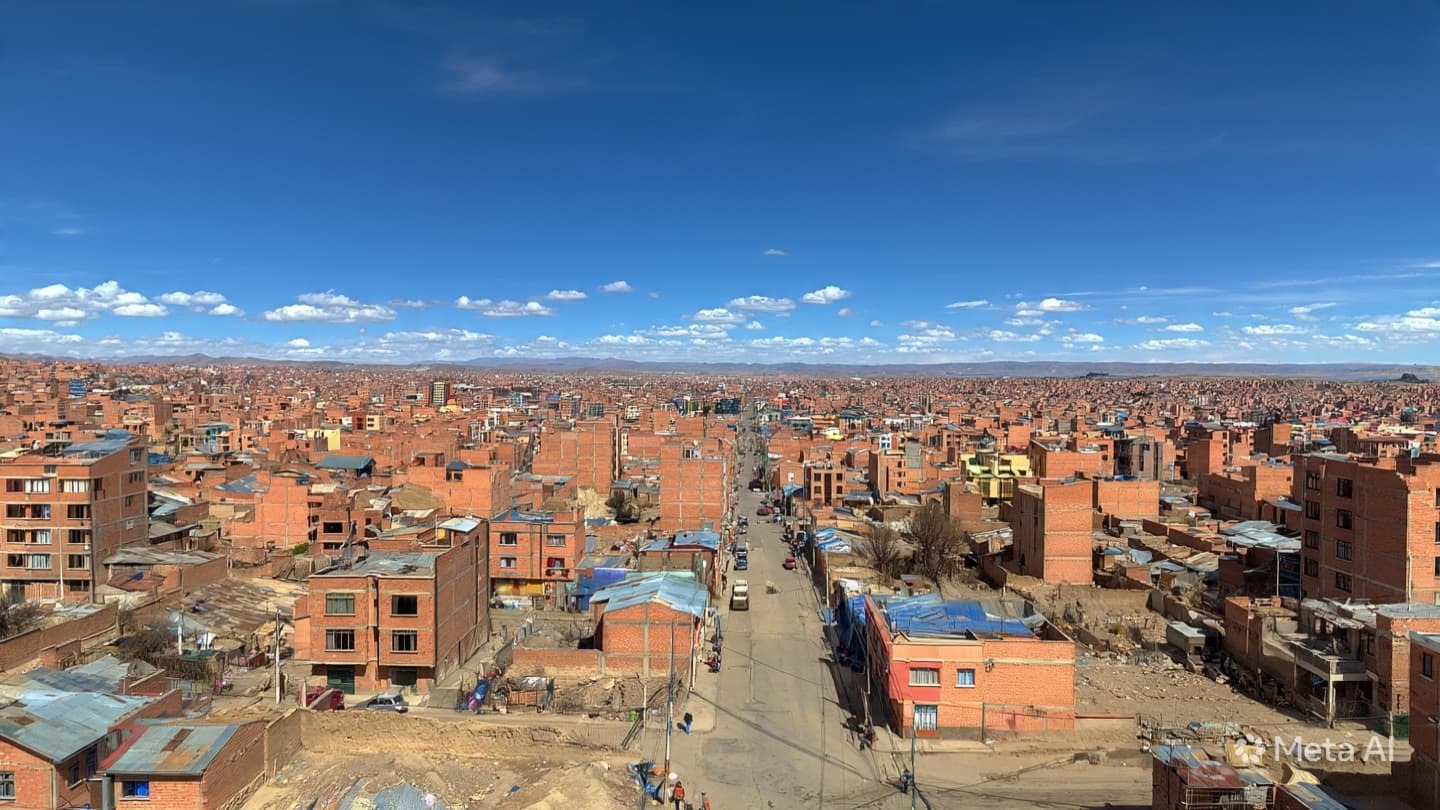
The expansive, high-altitude neighborhoods of El Alto operate on a vibrant, hardworking rhythm, where the day is defined by bustling street markets, industrial labor, and a tight-knit community life under a vast sky. In these high-plains suburbs, the avenues are traditionally filled with the energetic sounds of a population driving the economic engine of the district. It is an environment built on shared effort and resilience, where families rely on the predictable peace of their streets to build their futures.
Yet, this industrious harmony can be abruptly shattered by a grim, heartbreaking event that causes the familiar streets to feel suddenly strange and cold. The discovery of a human body abandoned within the margins of a suburb introduces a sudden, devastating shock to the area, transforming a common walkway into an active homicide scene. In that single moment, the everyday routine of the neighborhood is suspended, replaced by a heavy, lingering air of profound sorrow and concern.
A violent death exposed in the public space leaves an unsettling mark that cannot be easily softened by the high-altitude sun or forgotten by those who walk those lanes daily. The news travels rapidly through the brick-lined avenues and local plazas, replacing the casual talk of the morning with a collective, anxious bewilderment. There is an organic, immediate grief that settles over the suburb as residents realize that the ultimate threshold of human safety has been broken among them.
The launch of a formal homicide investigation introduces a rigorous, clinical framework to the cold landscape, as specialized police detectives and forensic analysts arrive to secure the territory. The immediate coordinate of the discovery is cordoned off from the public view, transformed into a meticulous grid where footprints, fibers, and physical trauma must be painstakingly documented. This essential work is performed with a quiet, respectful intensity, a deliberate effort to reconstruct a narrative that someone attempted to leave in the shadows.
This active inquiry is a true exercise in analytical endurance, relying heavily on the coordination between medical examiners, community interviews, and the review of localized surveillance to find a starting point. Every detail is evaluated, timelines are constructed from the victim's last known interactions, and the collective watchfulness of the neighborhood becomes a vital asset to the law. It is a powerful demonstration of institutional resolve, a determination to bring clarity and justice to a life cut short.
For the families living within the radius of the investigation, the passing hours carry a solemn, internal tension as they wait for answers from the police command. Yet, this grief is matched by a quiet resilience, a collective refusal to let the reputation of their hardworking suburb be defined by an act of hidden violence. The community stands firm, trusting that the steady, methodical footsteps of authority will eventually bring the truth into the clear light of day.
As the cold night wind sweeps across the high plains, whistling between the brick buildings of El Alto, the active search for answers continues under the stars. The watch remains active, and the neighborhood holds fast to the hope that justice will restore the equilibrium that was broken in the quiet of the morning.
The National Police have launched a comprehensive homicide investigation after the body of an unidentified individual was discovered in a suburb of El Alto. Passersby traveling through an undeveloped lot stumbled upon the scene during the early morning hours and immediately notified local emergency dispatchers, who deployed forensic teams to secure the perimeter. Investigators are currently conducting door-to-door inquiries and reviewing available security footage to establish the victim's identity and determine the circumstances surrounding the death.
Published by Banx Network. This article is part of the Banx decentralized media programme, powered by the BXE token on the XRP Ledger.