In the complex architecture of international alliances, few relationships are as enduring or as scrutinized as that between the United States and Israel. Recent reports indicate that the U.S. is preparing to approve a significant arms package, including tens of thousands of heavy bombs, marking a continuation of military support that has defined much of the recent geopolitical landscape. This decision, involving munitions such as the 2,000-pound MK-84 bombs, raises profound questions about the balance between strategic partnership, humanitarian concerns, and the evolving nature of modern warfare.
The scale of the proposed transfer is substantial, with estimates suggesting the inclusion of up to 60,000 heavy bombs and penetrator warheads. These weapons, known for their ability to penetrate reinforced structures, have been at the center of intense debate due to their potential impact in densely populated areas. For policymakers in Washington, the approval represents a commitment to Israel’s security doctrine, while for critics, it signals a disregard for the civilian toll in conflict zones like Gaza. The tension between these perspectives defines the current diplomatic discourse.
Historically, the supply of such munitions has fluctuated with changing administrations and shifting global priorities. Previous pauses in transfers were driven by concerns over civilian casualties and adherence to international law. However, the current move suggests a recalibration of these priorities, emphasizing deterrence and operational capability. This shift reflects a broader strategy of maintaining regional stability through strength, even as it invites scrutiny from human rights organizations and allied nations.
The implications of this approval extend beyond the immediate battlefield. It sends a clear message to regional actors about the depth of American support, potentially influencing the calculations of neighboring states and non-state actors. In a region where power dynamics are constantly in flux, such gestures are never merely transactional; they are symbolic acts that reinforce alliances and shape the strategic environment. The presence of these weapons serves as both a tool of defense and a statement of intent.
Domestically, the decision has sparked renewed debate within the United States. Lawmakers and advocacy groups are divided, with some arguing that unconditional support undermines efforts to promote peace and accountability, while others contend that restricting aid compromises a key ally’s ability to defend itself. This internal dialogue highlights the complexity of foreign policy in a democratic society, where moral considerations often clash with strategic imperatives.
For the people on the ground, the arrival of these weapons is a stark reality. In Gaza and other affected areas, the use of heavy ordnance has led to widespread destruction and loss of life. The humanitarian crisis continues to unfold, with aid organizations struggling to provide basic necessities amidst the ongoing violence. The approval of more bombs adds a layer of urgency to calls for ceasefire and diplomatic resolution, reminding the world of the human cost of prolonged conflict.
International reaction has been mixed, with some allies expressing concern over the escalation potential, while others remain silent or supportive. The global community watches closely, aware that the actions of major powers can have ripple effects far beyond their borders. The decision to proceed with the sale underscores the challenges of multilateral diplomacy in an era of fragmented consensus and competing interests.
As the package moves toward final approval, the focus shifts to how these weapons will be used and what safeguards, if any, are in place. The conversation is no longer just about the transfer of hardware but about the values that guide its use. In the end, the story of these 60,000 bombs is not just one of military logistics, but of the enduring struggle to balance security with humanity in a troubled world.
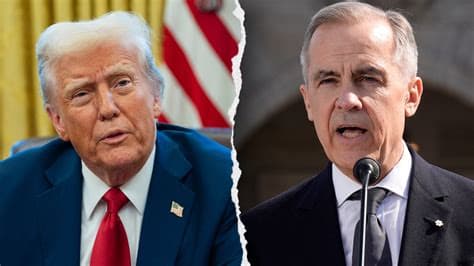
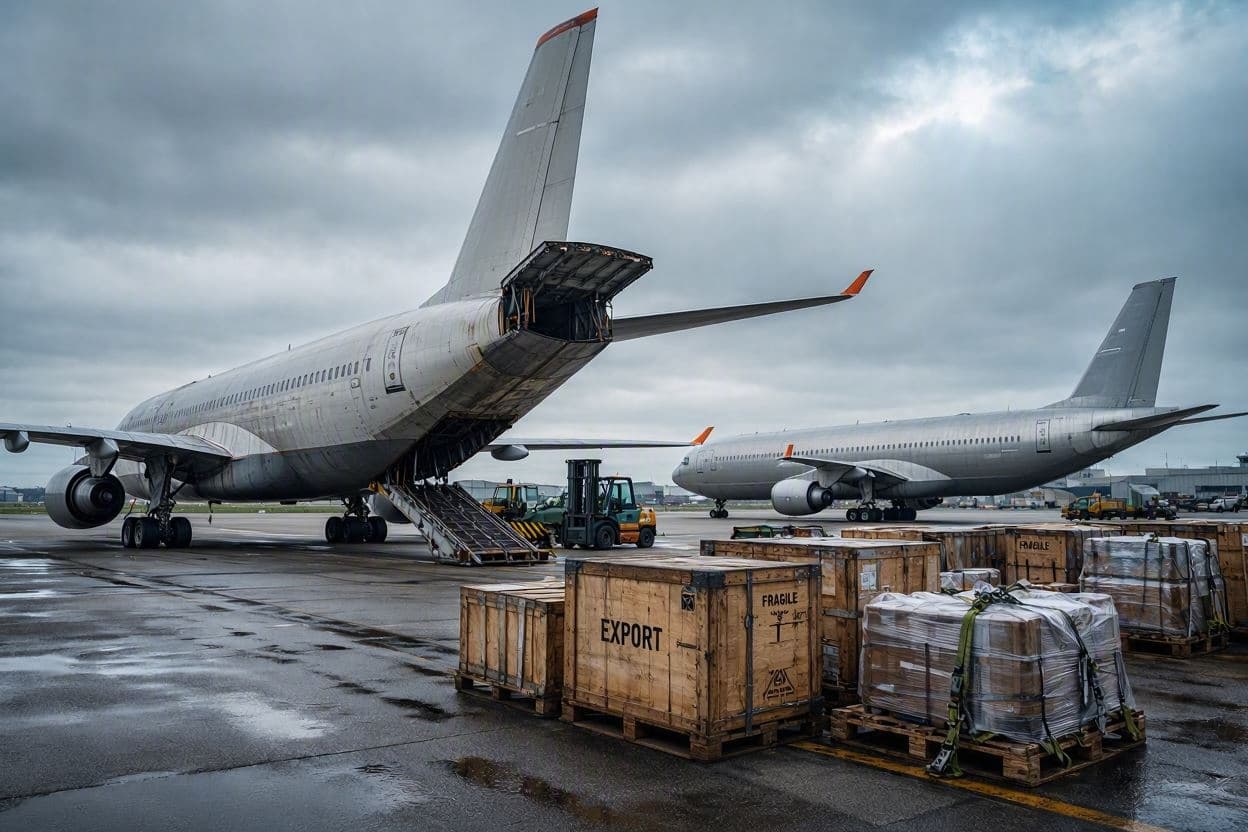
AI Image Disclaimer: The visual representations included here are AI-generated illustrations designed to conceptualize military logistics and diplomatic settings, not actual photographs of the weapons or political figures.
Sources: The New York Times Al Jazeera Reuters
Published by Banx Network. This article is part of the Banx decentralized media programme, powered by the BXE token on the XRP Ledger.