There are moments in history when language grows heavier, when words once reserved for the darkest chapters resurface with renewed urgency. In Sudan, as conflict stretches from city streets to rural villages, the vocabulary of international concern has sharpened. What was once described as violence or instability is now being framed in far more grave terms.
The United Nations has stated that atrocities committed in Sudan bear the “hallmarks of genocide,” pointing to patterns of ethnically targeted killings, widespread displacement, and systematic abuses. The assessment follows investigations and testimonies linked particularly to violence in the Darfur region, where memories of earlier mass atrocities remain painfully vivid.
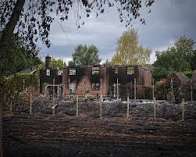
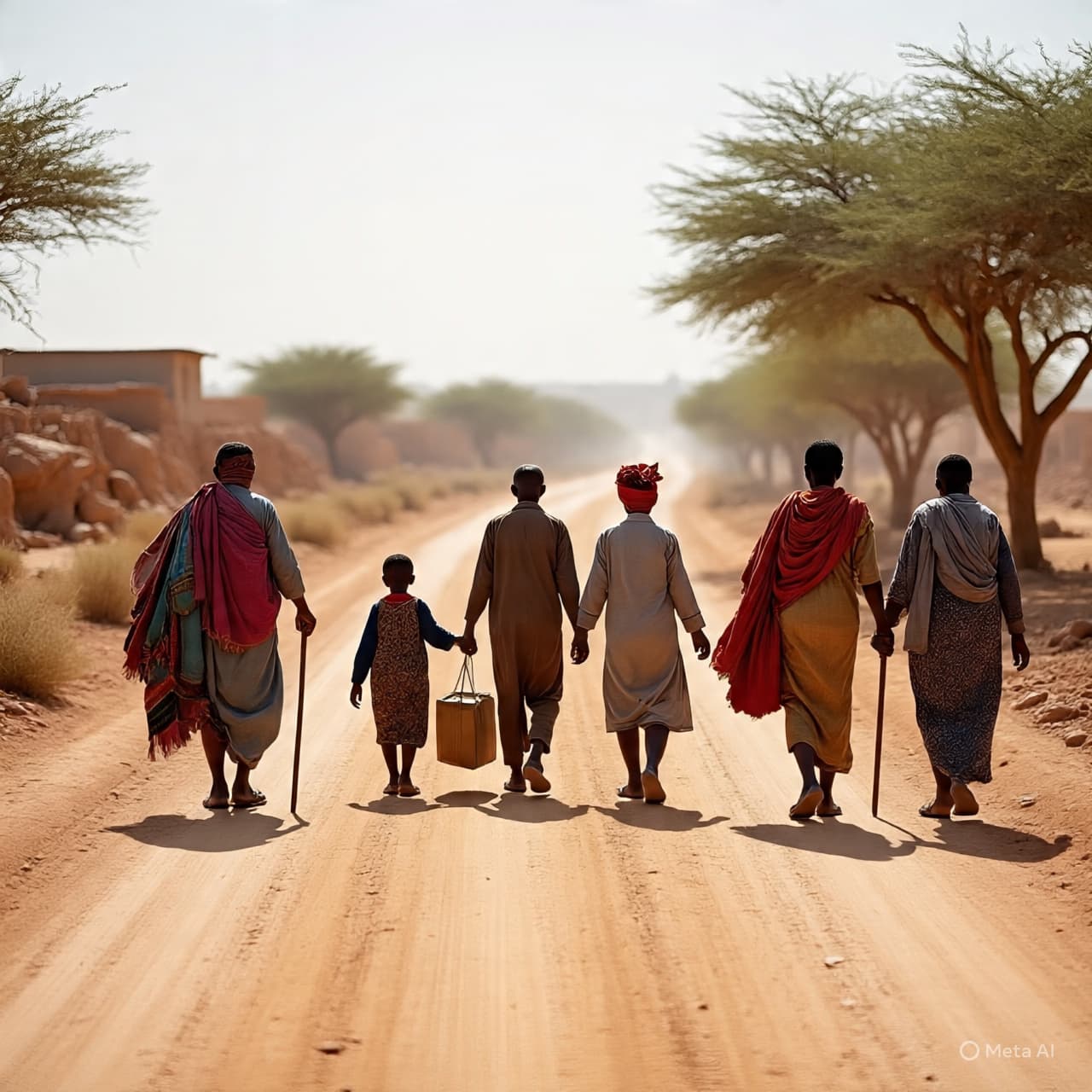
Since fighting erupted between the Sudanese Armed Forces and the Rapid Support Forces in 2023, millions have been displaced internally and across borders. Entire communities have been uprooted. Reports from humanitarian agencies describe civilians targeted on the basis of ethnicity, villages burned, and access to food and medical aid severely restricted. The language of genocide — defined under international law as acts committed with intent to destroy, in whole or in part, a national, ethnic, racial, or religious group — carries specific legal and moral weight.
UN officials have emphasized that patterns of violence in parts of Darfur reflect coordinated attacks against particular communities. Survivors’ accounts detail killings, sexual violence, and the destruction of homes and livelihoods. Investigators have also cited obstruction of humanitarian access, further compounding suffering in already fragile areas.
The crisis unfolds against a backdrop of political collapse. Sudan’s transition toward civilian rule faltered before open warfare fractured the capital, Khartoum, and spread westward. The humanitarian toll has been staggering: millions displaced, famine warnings issued, and neighboring countries strained by refugee inflows.
International responses have ranged from sanctions and diplomatic pressure to emergency aid pledges. Yet humanitarian organizations warn that funding gaps and security constraints hinder effective relief. Calls for accountability have grown louder, with some urging referral to international judicial mechanisms.
The use of the term “hallmarks of genocide” does not in itself constitute a legal determination. Such a designation would require formal investigation and adjudication under international law. Still, the UN’s phrasing signals deep alarm and underscores the gravity of reported abuses.
For many in Darfur, the echoes are haunting. Two decades ago, the region became synonymous with mass atrocities that prompted global outcry and International Criminal Court indictments. Today’s warnings suggest that unresolved tensions and armed fragmentation continue to endanger civilians.
As diplomatic efforts continue, humanitarian operations remain focused on delivering food, shelter, and medical care where access is possible. The UN has called for an immediate cessation of hostilities and unhindered humanitarian corridors.
In official statements, UN representatives have reiterated the need for accountability, civilian protection, and renewed international engagement. Investigations are ongoing, and the situation remains fluid as fighting persists in multiple regions of Sudan.
AI Image Disclaimer Images in this article are AI-generated illustrations, meant for concept only.
Sources Reuters BBC News Al Jazeera The Guardian Associated Press
Published by Banx Network. This article is part of the Banx decentralized media programme, powered by the BXE token on the XRP Ledger.