
Key Highlights
- Record tourism arrivals in Marrakesh surpass pre-pandemic levels.
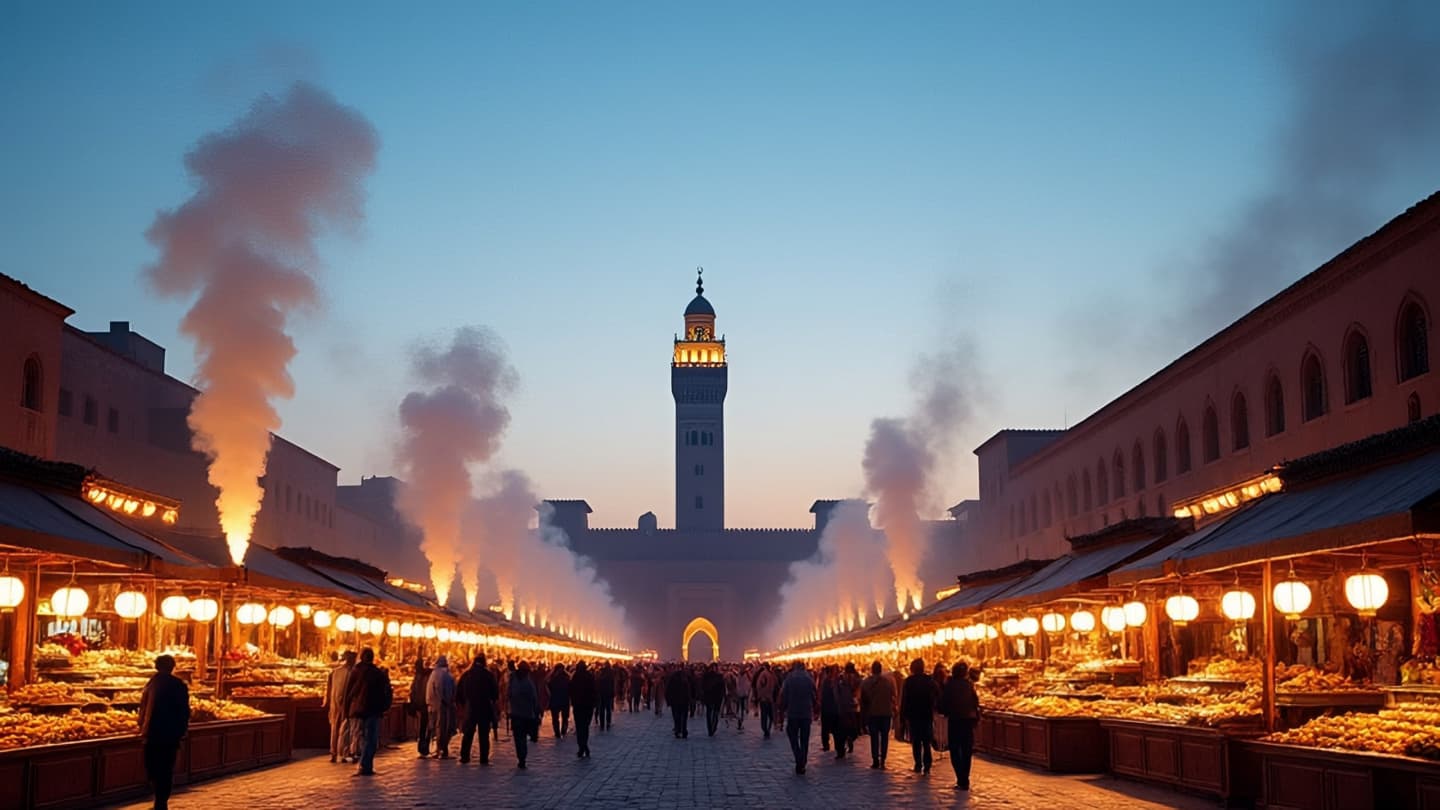
- Jemaa el-Fnaa courtyard bustling with activity and visitors.
- Strategic investments enhance visitor experience and sustainable tourism.
Marrakesh, known as the 'Red City', is experiencing a remarkable resurgence in tourism, with numbers officially surpassing pre-pandemic levels for the second consecutive quarter. This revitalization is not just a statistic; it reflects the city's enduring charm and the resilience of its hospitality sector. The Ministry of Tourism has reported a significant increase in arrivals, signaling a robust recovery that resonates throughout the city's vibrant streets and historic sites.
The iconic Jemaa el-Fnaa, once quiet during the pandemic, is now alive with the sounds of street performers, food vendors, and the chatter of international visitors. This bustling square serves as a microcosm of Marrakesh's broader tourism landscape, where the convergence of cultures and experiences creates a unique atmosphere. The return of travelers has breathed new life into local businesses, from traditional riads to artisanal shops, all eager to welcome guests back.
Marrakesh has long been a destination for those seeking a blend of history and exotic allure. The recent surge in tourism is indicative of a global desire for authentic experiences, as travelers seek to reconnect with the world beyond their screens. The city's rich tapestry of culture, art, and cuisine offers a sensory feast that captivates visitors, reaffirming Marrakesh's status as a premier travel destination.
The tourism sector, which is vital for the livelihoods of countless families, is witnessing a period of growth fueled by new air routes from North America and Europe. These developments have transformed Marrakesh into a global hub, where diverse cultures intersect, fostering a spirit of celebration and unity. The city's ability to host visitors with warmth and generosity is a testament to its deep-rooted traditions and the Moroccan ethos of hospitality.
Strategic investments by the Moroccan government have played a crucial role in this recovery. Initiatives aimed at enhancing the quality of the visitor experience, such as the restoration of historic sites and the promotion of sustainable tourism practices, have positioned Marrakesh as a forward-thinking destination. The current tourism figures reflect the success of these efforts, highlighting the importance of balancing heritage preservation with modern tourism demands.
The impact of this tourism revival extends beyond the city limits, reaching the artisans in local workshops and the serene retreats in the nearby Atlas Mountains. There is a palpable sense of optimism among residents, who are committed to ensuring that this growth is sustainable and inclusive. The narrative of Marrakesh's recovery is one of resilience, reminding us that great cities are always in motion, waiting for the return of visitors to share in their stories.
As the sun sets over the Koutoubia Mosque, the city comes alive with the sounds of diverse languages and cultures. The record tourism arrivals are a source of pride for Marrakesh's residents, affirming their city's role as a cultural beacon in the Mediterranean and Maghreb regions. This resurgence is not merely a return to normalcy; it represents a renewed commitment to the magic and allure that Marrakesh has to offer.
Looking ahead, the future of tourism in Marrakesh appears bright, with a focus on sustainable and thoughtful growth. The current peak in arrivals is seen as a new baseline, providing a foundation for a more resilient and diverse visitor economy. For now, Marrakesh remains a vibrant tapestry of life, where the past and present coexist harmoniously, inviting travelers to explore its wonders once again.
Published by Banx Network. This article is part of the Banx decentralized media programme, powered by the BXE token on the XRP Ledger.



