
Key Highlights
- Financial Losses:Small-scale wine producers in Australia report over $1.8 million in vintage losses this season due to extreme weather.
- Climate Impact:Industry experts warn that without support, many historic family-run wineries may face closure.
- National Conversation:The crisis has ignited discussions about the sustainability of local food and drink systems in a changing environment.
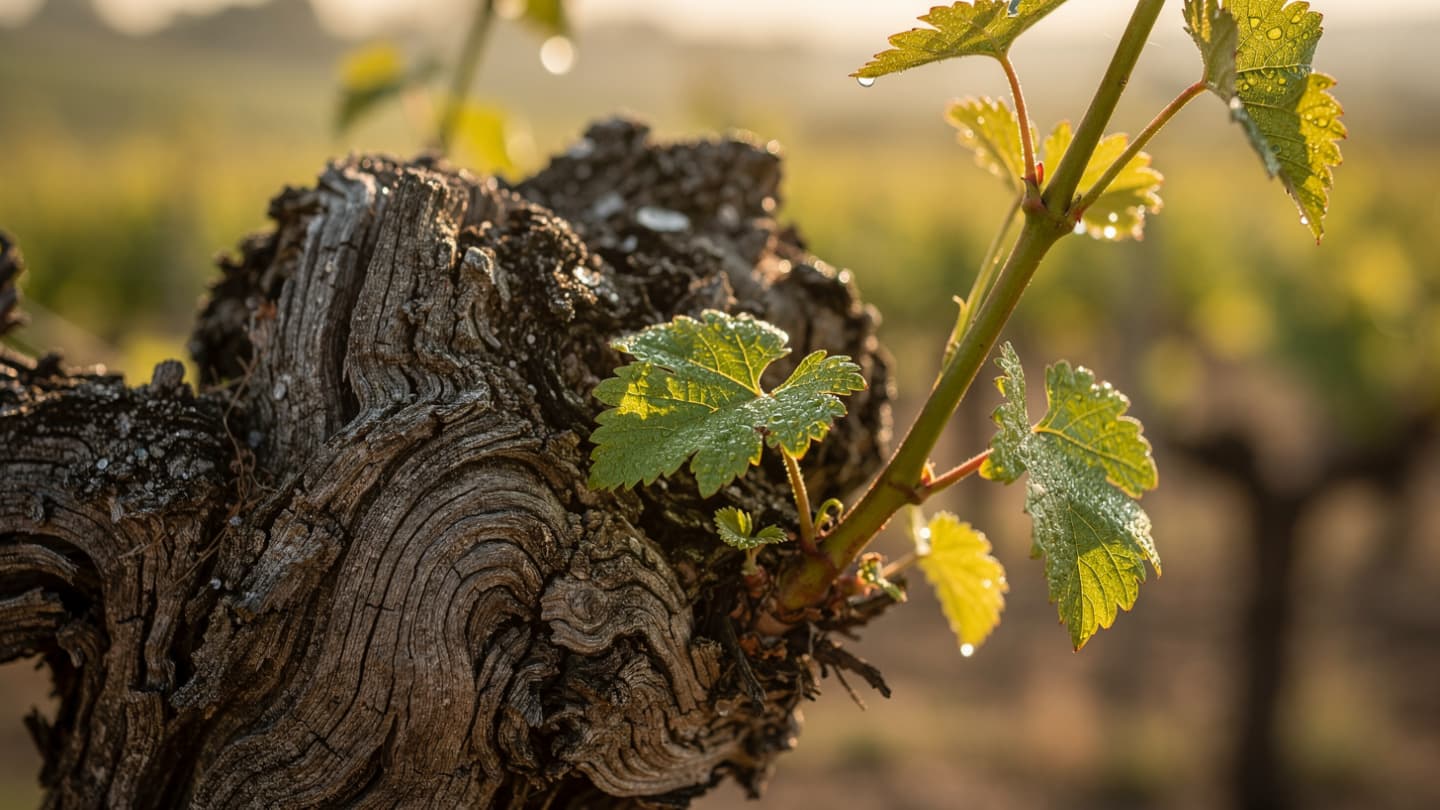
The picturesque vineyards of Australia, with their gnarled vines and rich history, are facing unprecedented challenges due to climate change. This season, small-scale wine producers have reported staggering financial losses, with some historic vineyards losing over $1.8 million in vintage. The unpredictable weather patterns, including late frosts and unseasonable storms, have wreaked havoc on crops, leading to a crisis that threatens the very existence of these family-run wineries.
As the sun sets over the rows of green, the long shadows of the vines stretch toward the horizon, a stark reminder of the fragility of this industry. These vineyards have stood the test of time, surviving world wars and economic downturns, but the current climate crisis poses a new and daunting challenge. Industry experts are sounding the alarm, warning that without targeted economic support and improved disaster resilience measures, many of these historic producers may not survive.
The story of these small producers is one of resilience and dedication. Each bottle of wine represents not just a product, but a narrative woven from the unique conditions of the year it was produced. The labor of love that goes into winemaking is often overshadowed by the sheer unpredictability of nature. A single frost can erase months of hard work, leaving families to grapple with the financial fallout.
The impact of these losses extends beyond the vineyards themselves. These wineries are integral to their communities, serving as social hubs where stories are shared and local culture is celebrated. The closure of even a single winery diminishes the rich tapestry of Australian identity, which is deeply intertwined with its agricultural heritage. As these producers face the threat of extinction, the conversation around sustainability in local food and drink systems has gained urgency.
In response to the crisis, there is a growing call for government intervention and support for small-scale producers. Advocates argue that investing in disaster resilience and sustainable practices is essential not only for the survival of these wineries but also for the preservation of local economies and cultural heritage. The future of Australian wine is at a crossroads, and the decisions made today will shape the landscape for generations to come.
As we reflect on the legacy of these vineyards, it becomes clear that the journey of winemaking is not just about producing a bottle of wine; it is about nurturing a connection to the land and to each other. The ancient vines, with their deep roots and storied past, remind us of the importance of patience and perseverance in the face of adversity. Supporting small producers is not merely an act of consumption; it is an investment in the resilience of our shared history and the flavors of our collective future.
The ongoing crisis in the Australian wine industry serves as a poignant reminder of the delicate balance between nature and agriculture. As we enjoy a glass of wine, we must remember the stories behind it—the families who have poured their hearts into their craft and the challenges they face in an ever-changing environment. The future of these historic wineries hangs in the balance, and it is up to all of us to ensure that their legacy endures.
Published by Banx Network. This article is part of the Banx decentralized media programme, powered by the BXE token on the XRP Ledger.



