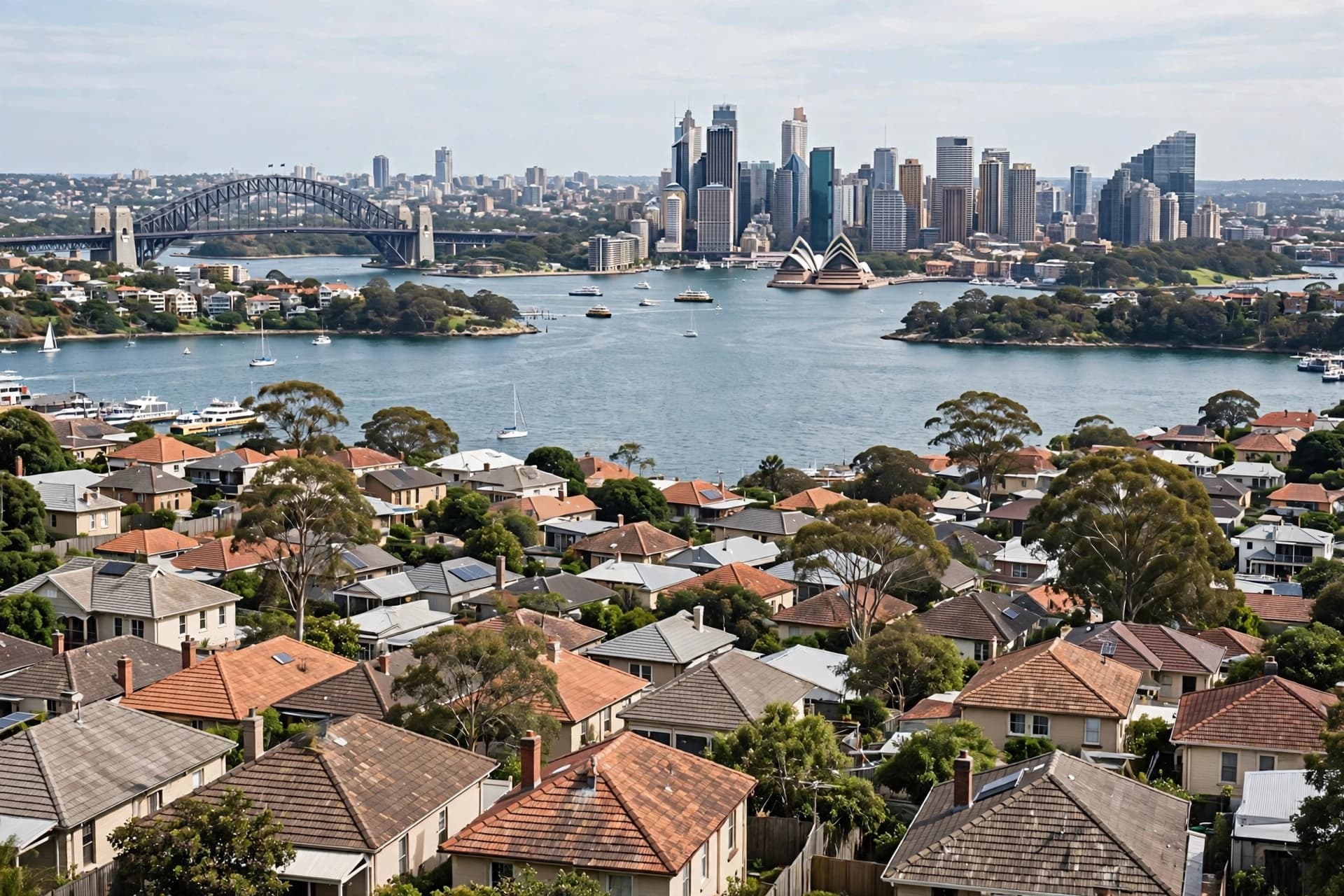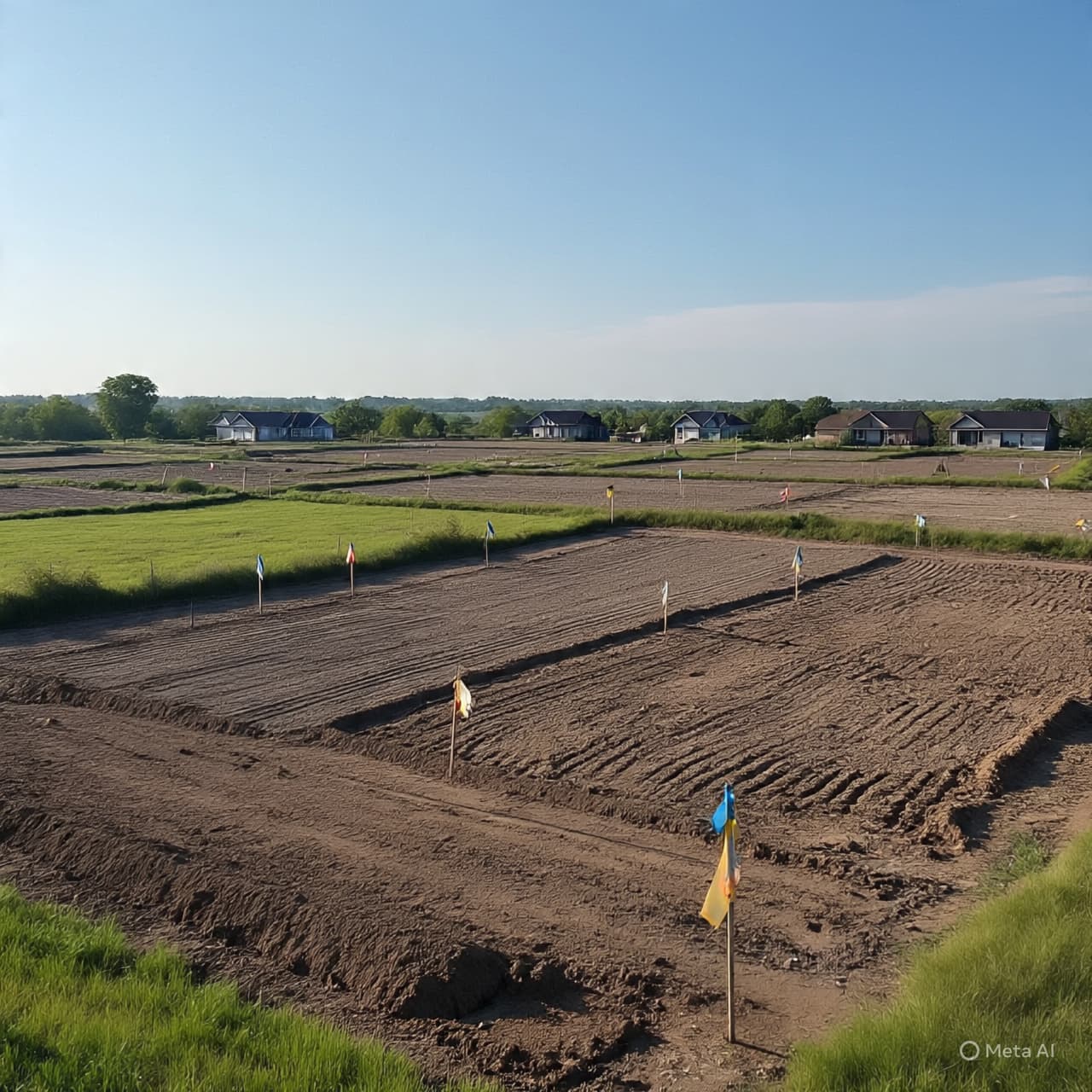
Sometimes you can trace the shape of tomorrow by watching yesterday’s footprints. In neighborhood after neighborhood, the prospect of new homes — modest, neighborly places shaped by roofs and front doors — has become a question not just of bricks and boards, but of the very ground beneath our feet. In Australia today, and reflected in reports that echo across planning forums and industry gatherings, it’s not the cost of steel or timber alone that seems to be slowing the pace of new housing. Rather, it is the relentless climb in land prices — the price of that essential stage upon which every home must stand — that has become the principal barrier to bringing houses to life.
Land, in its simplest sense, is only so much earth and grass and soil. But in the reality of housing markets, its value has swelled well beyond its physical measure, a product of policy, infrastructure costs, planning delays, and demand that seems ever unquenched. A recent report from the Housing Industry Association found that residential land prices in Australia have risen by more than 500% since 2000, far outpacing increases in construction and labour costs over the same period. This long-term escalation, driven by both market pressures and the way land is released and serviced for building, has woven itself into the cost of every new home.
These increases don’t come simply from the dirt itself. Before even a single home can be built, land must be rezoned, connected to roads, water, sewers, electricity and community facilities — a web of infrastructure that carries costs upfront, added to the price of every lot and ultimately borne by prospective homeowners. As the report’s lead economist observed, the result is that land has become the largest contributor to rising housing costs, overshadowing labour and materials as barriers to delivery.
Across Australia’s capital cities, land prices have continued to climb, with some areas seeing double-digit annual increases. Brisbane and Perth, for example, experienced sharp upward movements in lot prices over the last year, while Adelaide’s growth outpaced them all. The shortage of shovel-ready land — that is, parcels prepared and approved for immediate construction — has deepened the challenge, shifting demand back into existing homes and adding upward pressure on prices across both new and established markets.
Industry analysts also point to the way land is funded and taxed as a factor in its rising cost. When fees, levies and development charges are passed through to buyers as part of lot prices, the cost of infrastructure becomes embedded in land values rather than shared or phased through broader public funding. This, some economists say, creates a tension where households pay in full for services that benefit the wider community.
The practical effect of these rising land values is evident in the annual slump in residential land sales, which have hit multi-decade lows even as median prices set new records. This pattern suggests that the supply of ready-to-build land has tightened, making it harder for developers to plan and commence new housing projects. With fewer lots available and higher prices facing builders at the outset, the feasibility of many new ventures becomes harder to justify, slowing the overall pace of housing delivery.
Amid these figures and forecasts, policymakers and industry voices have suggested responses such as increasing housing density, streamlining planning systems, and expanding the availability of serviced land to lower the barriers to new supply. The debate continues, but one thing is clear: the landscape of new housing is shaped as much by the price of a patch of ground as by the roof that will one day sit above it.
AI Image Disclaimer (Rotated Wording) “Illustrations were produced with AI and serve as conceptual depictions.”
Sources
• ABC News — Report on rising land prices blocking new housing.
• 9News (Australia) — Coverage of land price increase impeding home building.
• Housing Industry Association (HIA) — Industry research on land as constraint.
• Mortgage Professional Australia — Data on land price growth and affordability issues.
• Smart Property Investment/HIA data — Residential land sales slump amid costs.
Published by Banx Network. This article is part of the Banx decentralized media programme, powered by the BXE token on the XRP Ledger.