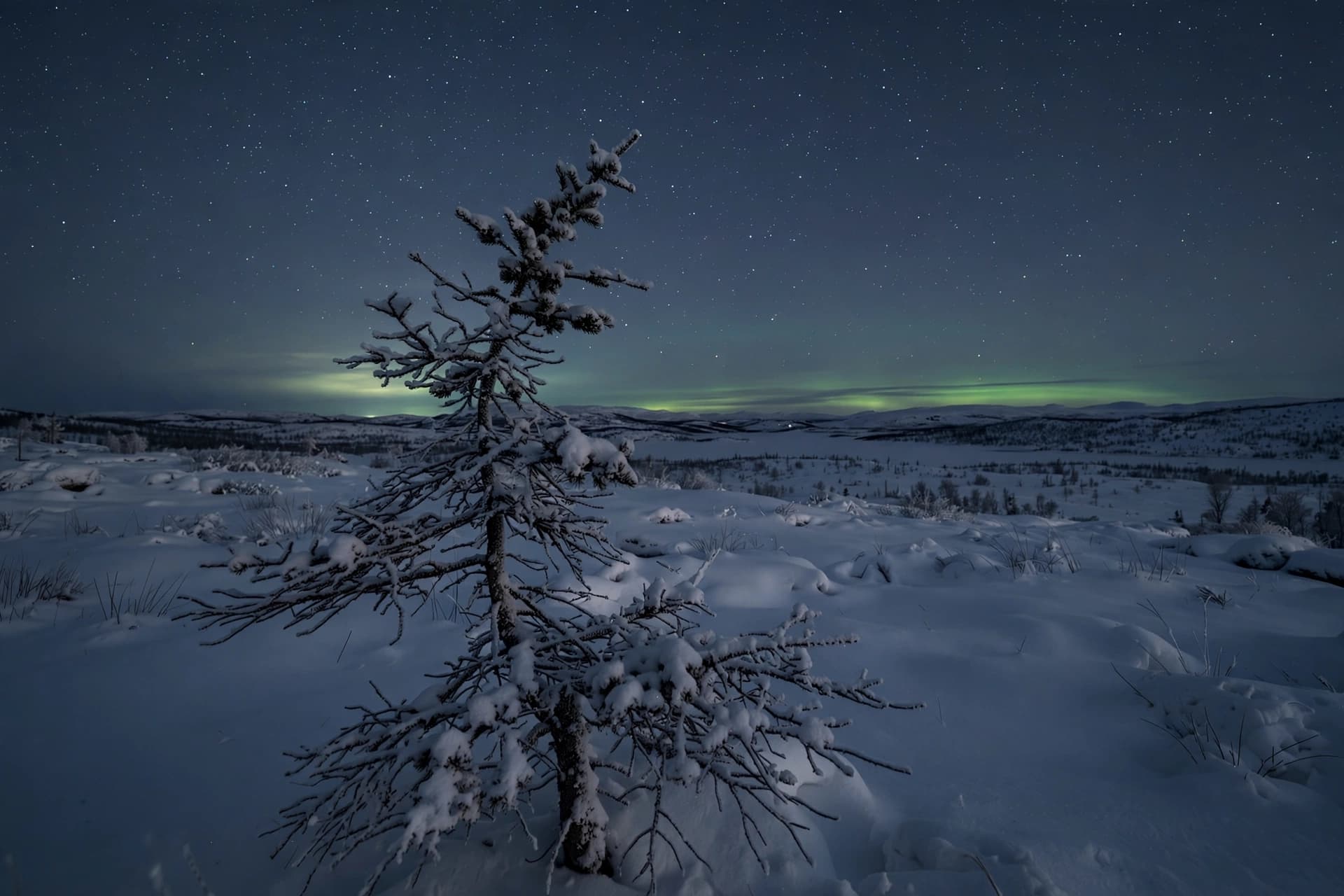
Antarctica often appears as a distant, silent continent of ice, but its vast frozen structures play an essential role in regulating global sea systems. Among these structures, ice shelves act as stabilizing barriers between land ice and the open ocean.
Recent scientific observations indicate that some Antarctic ice shelves are showing signs of weakening, raising concerns about their long-term stability.
These ice shelves help slow the movement of glaciers into the ocean. When they thin or fracture, the inland ice behind them can flow more freely toward the sea.
Researchers use satellite imagery and on-site measurements to monitor changes in thickness, surface fractures, and melting patterns caused by both atmospheric and oceanic warming.
Ocean heat plays a particularly important role, as warmer water can erode ice shelves from below, weakening their structural integrity over time.
While changes occur gradually, the cumulative effect can influence global sea level systems over long periods, making continued monitoring essential.
Scientific teams from multiple countries collaborate in Antarctic research stations, collecting data that helps improve understanding of ice-ocean interactions.
These observations contribute to broader climate models that assess how polar changes may affect global coastal regions in the future.
The weakening of Antarctic ice shelves highlights the interconnected nature of Earth’s climate system, where changes in polar regions can gradually influence oceans worldwide.
AI Image Disclaimer: Images in this article are AI-generated for illustrative purposes and do not represent real-time satellite imagery.
Sources (verification check): NASA, British Antarctic Survey, Nature Climate Change, NOAA
Published by Banx Network. This article is part of the Banx decentralized media programme, powered by the BXE token on the XRP Ledger.