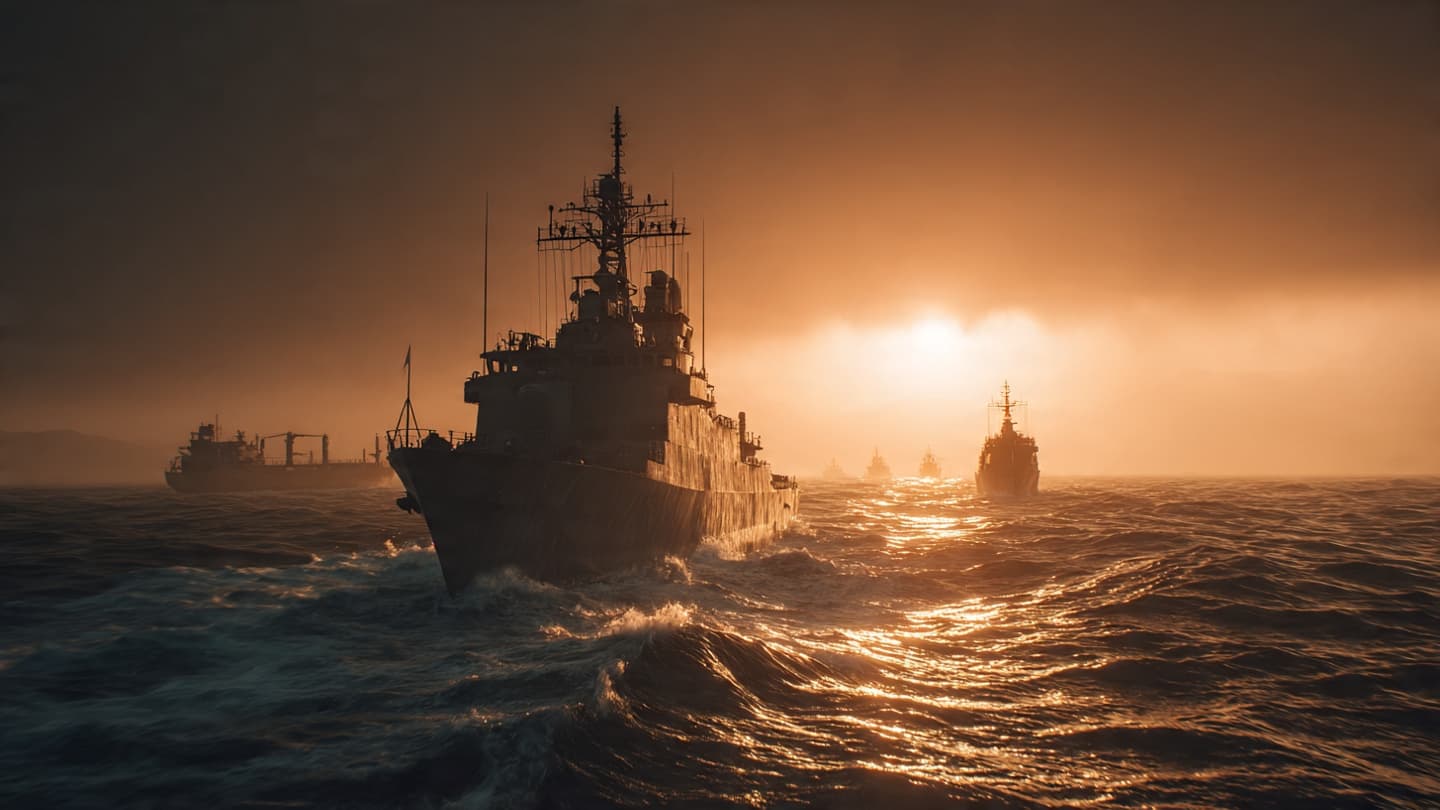
A narrow stretch of water can sometimes carry the weight of the world’s anxieties. In recent weeks, the Strait of Hormuz has again become more than a maritime corridor; it has turned into a symbol of fragile balance, where military movements, diplomatic signals, and energy concerns intersect beneath an uneasy horizon.
Tensions between Iran and the United States escalated after reports emerged of new American military strikes targeting Iranian-linked threats near the Strait of Hormuz. The area, known as one of the world’s most strategic energy routes, has increasingly drawn international attention as both sides exchange warnings and defensive actions.
According to U.S. officials, military operations were conducted against facilities and drones believed to pose risks to commercial shipping and American forces in the Gulf region. Iranian authorities later stated that retaliatory actions targeted a U.S. airbase connected to the latest wave of strikes.
The Strait of Hormuz remains central to global energy transportation, carrying a substantial portion of international oil shipments. Because of that role, even limited military incidents in the area often ripple through financial markets and diplomatic circles far beyond the Middle East. Analysts have warned that prolonged instability could affect shipping costs, fuel prices, and regional trade confidence.
Political rhetoric has also intensified. Reports from international media noted strong statements from American officials regarding maritime access and the security of the strait, while Iran continued emphasizing sovereignty and regional security concerns.
Despite the military exchanges, diplomatic discussions have not entirely stopped. Negotiations involving regional actors and international intermediaries are still being discussed as possible pathways to prevent wider escalation. Observers say the situation remains delicate, especially as both sides publicly maintain defensive justifications for their actions.
Online discussions and public reactions have reflected growing concern over the possibility of broader disruption in the Gulf region. Community forums, shipping observers, and geopolitical analysts continue monitoring tanker routes and military developments closely.
For many countries dependent on stable energy supplies, the unfolding developments serve as another reminder that geopolitical tensions often travel silently through global trade routes before arriving at households through rising prices and economic uncertainty.
The situation around the Strait of Hormuz remains fluid, with international attention focused on whether diplomatic engagement can prevent further confrontation while safeguarding one of the world’s most vital maritime corridors.
AI Image Disclaimer: Some illustrations accompanying this article were digitally generated using artificial intelligence for visual representation purposes.
Sources: Reuters, The Guardian, New York Post, Detik, FDD, TRT World, Reddit discussions
Published by Banx Network. This article is part of the Banx decentralized media programme, powered by the BXE token on the XRP Ledger.


.jpg&w=3840&q=75 "Russia Turns Black Sea Into World’s Deadliest Shipping Route as More Than 570 Ships Are Hit")