
Key Highlights
- Rising Homicide Rates:The city faces an unsettling increase in violence.
- Security Operations:Authorities have initiated a broad-based security operation.
- Community Response:Residents experience a complex mix of relief and caution.
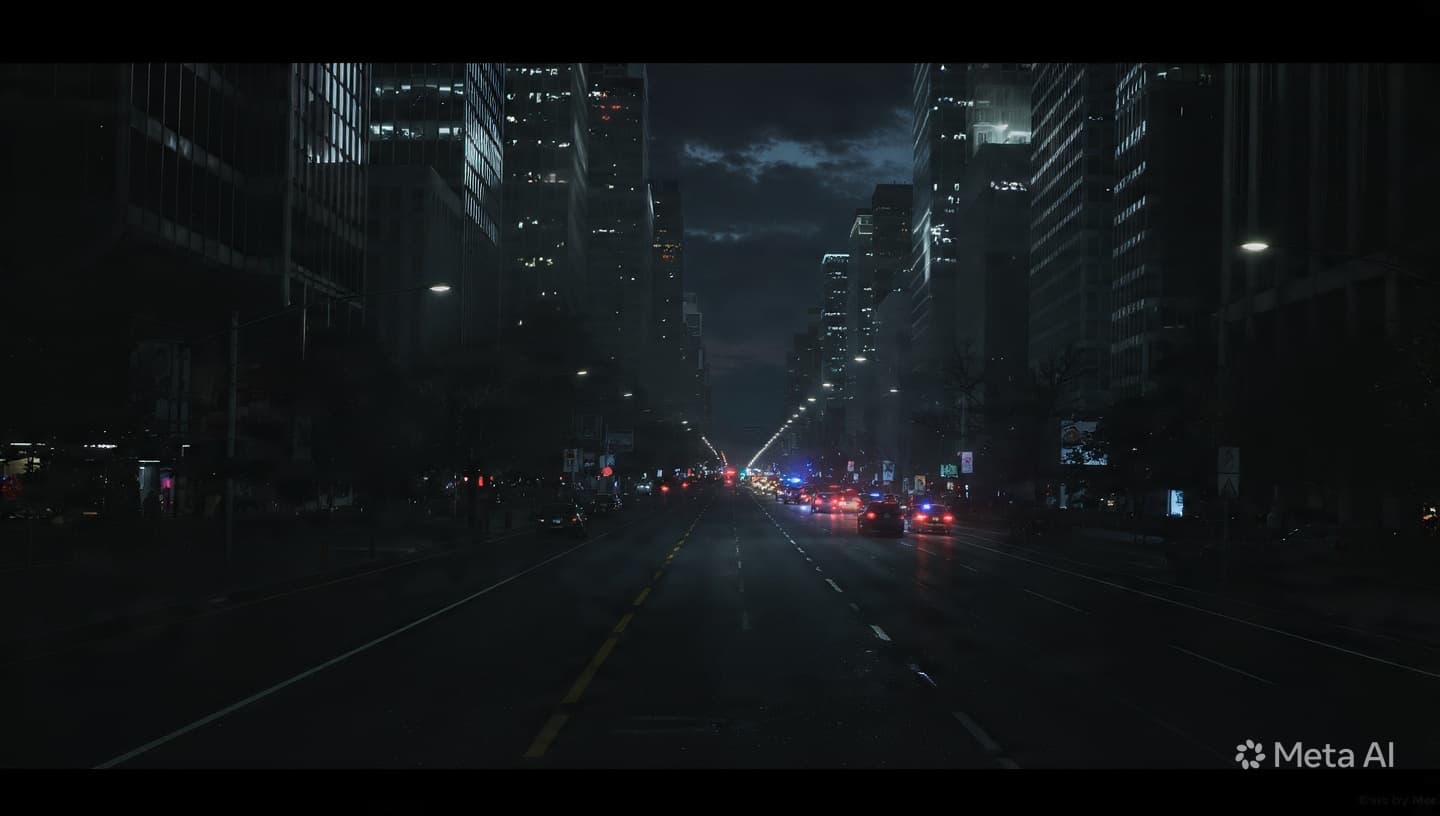
In response to a troubling rise in homicide rates, city authorities have launched a comprehensive security operation aimed at restoring public safety. The sight of blue lights cutting through the evening fog and the sound of heavy boots on the pavement signal a determined effort to reclaim the streets. This initiative, while intended to provide a sense of stability, evokes a complex emotional response from residents who navigate these altered urban landscapes.
The operations are characterized by a mechanical precision, with personnel and equipment moving in a coordinated manner to assert a presence that has been notably absent. As patrols spread across both residential and commercial areas, they create a temporary geometry of control, replacing the uncertainty that has recently overshadowed daily life. This intervention acknowledges the seriousness of the violence that has gripped the city, aiming to reassure citizens that their safety is a priority.
However, the effectiveness of these operations cannot be measured solely by the number of patrols or their visibility. The true measure lies in the subtle shifts in the city's atmosphere—the restoration of confidence in public spaces, the ability to walk freely without fear, and the gradual easing of the defensive postures that have become necessary in light of rising crime rates. The challenge for authorities is to ensure that this show of force translates into a sustained commitment to public safety rather than a fleeting response to a crisis.
Observers have noted that the intensity of the security deployment reflects the significant challenges facing the administration. The increase in homicides is not merely a statistical blip; it is indicative of deeper, systemic issues that have been allowed to persist. By visibly concentrating resources, the government is sending a message that it will not accept the deterioration of public safety as an unavoidable aspect of urban life. This proactive stance aims to reclaim the narrative surrounding the city and its safety.
For residents, the heightened police presence serves as a reminder of the fragility of the order they once took for granted. In neighborhoods where state presence had dwindled, the current surge in operations signifies a profound change. It brings with it a glimmer of hope for a return to the quiet, predictable safety that fosters community interaction without the looming threat of violence.
Yet, this deployment raises questions about the sustainability of such tactics. A heavy police presence can be seen as a diagnostic tool rather than a solution. The success of these operations will ultimately depend on their ability to evolve from immediate, high-visibility actions against crime to long-term strategies focused on institutional strengthening and community engagement. The city, resilient in its spirit, awaits the transformation of this current surge into lasting peace and security.
As security operations continue, the city's tone remains one of cautious anticipation. Residents observe, evaluate, and gradually adapt to the new rhythm of their streets. There is a palpable sense that significant changes are underway, with the tide of disorder being met by a determined counter-effort. Whether this initiative will mark a turning point for the city remains a critical question for its immediate future.
In conclusion, the current security deployment embodies the belief that the city can be reclaimed, that its streets can once again belong to those who live, work, and dream within them. This endeavor requires patience, precision, and an unwavering commitment to the safety of all citizens. As patrols traverse the metropolitan heart, they carry the weight of collective hope that these operations will lead to a more secure, stable, and peaceful tomorrow.
Published by Banx Network. This article is part of the Banx decentralized media programme, powered by the BXE token on the XRP Ledger.



