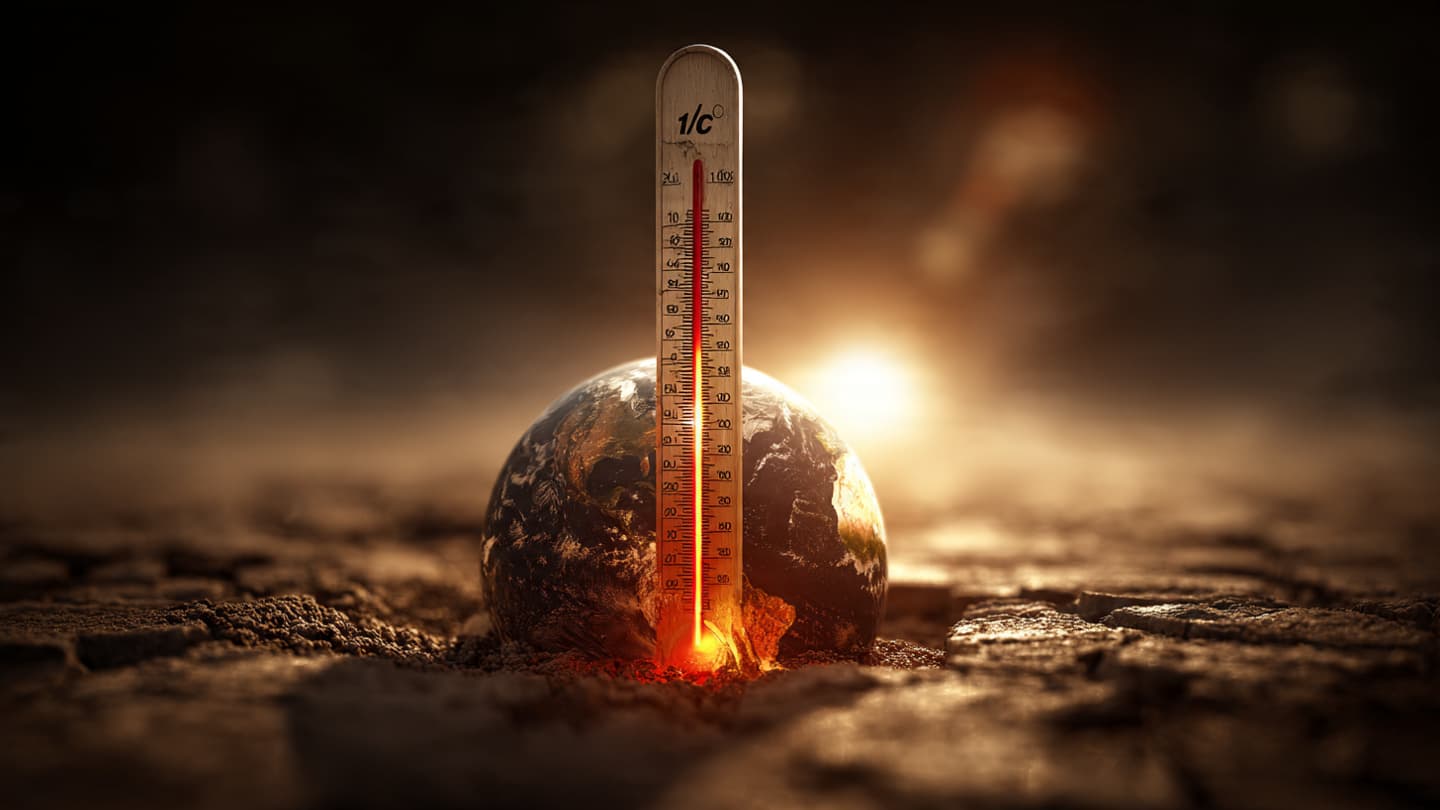
There are numbers that feel abstract until they begin to shape lived reality. The 1.5°C climate threshold, once a distant policy marker, is increasingly discussed as a near-term possibility rather than a long-term warning.
Recent climate assessments from global research networks suggest that the planet is tracking closer to exceeding the 1.5°C warming limit established under the Paris Agreement. This threshold was designed as a symbolic and scientific boundary to reduce the most severe climate impacts.
Temperature measurements over recent years show a persistent upward trend, with several months already reaching or surpassing temporary exceedances of the 1.5°C benchmark. Scientists caution that short-term spikes do not yet define long-term averages, but they are increasingly frequent.
Climate models indicate that natural variability, combined with long-term greenhouse gas accumulation, is pushing global systems toward a warmer equilibrium. This means even stabilizing emissions may not immediately halt short-term increases.
The Arctic and Antarctic regions continue to amplify global warming signals through feedback mechanisms such as ice loss and reduced reflectivity. These processes contribute to accelerating heat absorption by the Earth’s surface and oceans.
Policy efforts across nations have begun to slow projected emissions growth, but the pace remains uneven. Developing economies, energy demands, and industrial transitions all contribute to a complex global energy landscape.
Researchers emphasize that crossing the 1.5°C threshold does not represent a single moment of collapse, but rather a gradual shift in climate stability with cascading environmental effects.
As the world approaches this symbolic boundary, the discussion is shifting from prevention alone toward adaptation and resilience in a warming century.
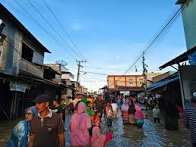
AI Image Disclaimer: Illustrations in this article may be AI-generated and intended for conceptual visualization only.
Sources: IPCC, Reuters, Nature Climate Reports, World Meteorological Organization, BBC Climate Desk
Published by Banx Network. This article is part of the Banx decentralized media programme, powered by the BXE token on the XRP Ledger.