Mars has always been a planet of contrasts, a world divided by a stark geological dichotomy that has puzzled scientists for generations. The northern hemisphere is smooth and low, while the south is rugged and high. But beneath the icy cap of the south pole, a new anomaly has emerged: a region of unexpected heat. This thermal asymmetry adds another layer of mystery to the Red Planet, suggesting that its interior is more dynamic and uneven than previously believed.
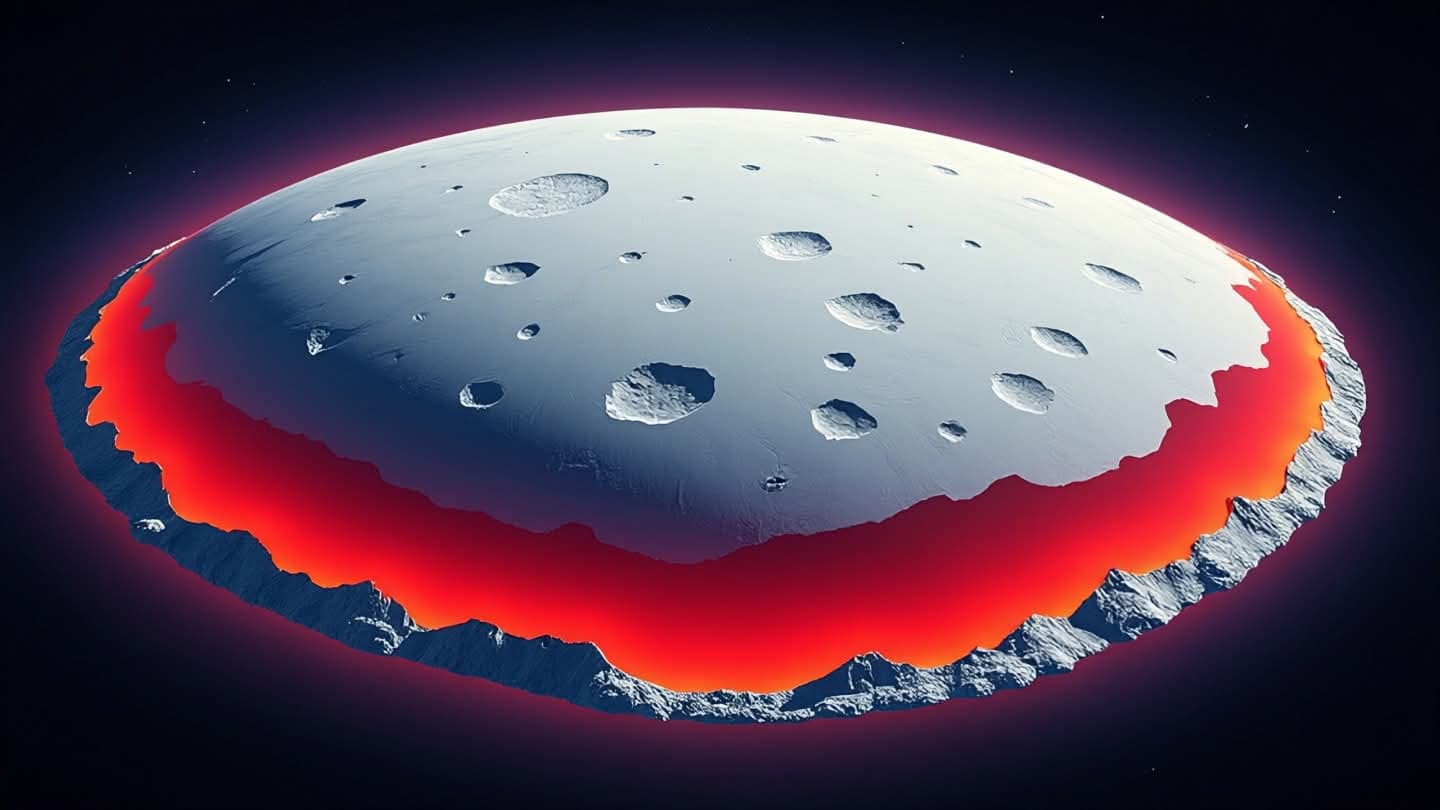
Recent data from orbiters and seismic studies have revealed that the subsurface temperature under the Martian south pole is significantly higher than in surrounding areas. This heat source is not uniform, creating a lopsided thermal profile that defies simple explanations. Scientists speculate that this could be due to residual heat from the planet’s formation, radioactive decay in the crust, or perhaps even recent magmatic activity deep below the surface.
The discovery complicates our understanding of Mars’ geological history. The planetary dichotomy, the division between the northern lowlands and southern highlands, is already one of the oldest and most prominent features on Mars. Adding a thermal imbalance to this structural divide suggests that the forces shaping the planet were not only surface-level but also deeply rooted in its mantle dynamics.
One leading theory proposes that a large plume of hot material from the mantle is rising beneath the south pole. This upwelling could explain both the elevated heat and the slight uplift of the terrain in that region. If true, it would mean that Mars is not geologically dead, as often assumed, but still retains some internal vigor that influences its surface and subsurface environment.
This heat has implications for the stability of the polar ice caps. Warmer subsurface temperatures could affect the behavior of water ice and carbon dioxide ice, potentially leading to subglacial lakes or brine pockets. Such environments, while extreme, are of great interest to astrobiologists searching for signs of past or present life, as liquid water is a key ingredient for biological processes.
The finding also impacts future mission planning. Understanding the thermal structure of Mars is crucial for selecting landing sites and designing instruments that can withstand varying conditions. It may also guide the search for resources, as heat sources can indicate areas where water might be more accessible or where geological processes have concentrated valuable minerals.
As researchers continue to analyze the data, the debate over the source of the heat intensifies. Some argue for volcanic origins, while others point to impact-related fractures that allow heat to escape more easily. Regardless of the cause, the discovery underscores the complexity of Mars and the need for continued exploration to unravel its secrets.
Future missions, including those focused on subsurface exploration, will be essential to confirm the source of this thermal anomaly. For now, the warm spot under the south pole remains a tantalizing clue to the hidden workings of our neighboring planet.
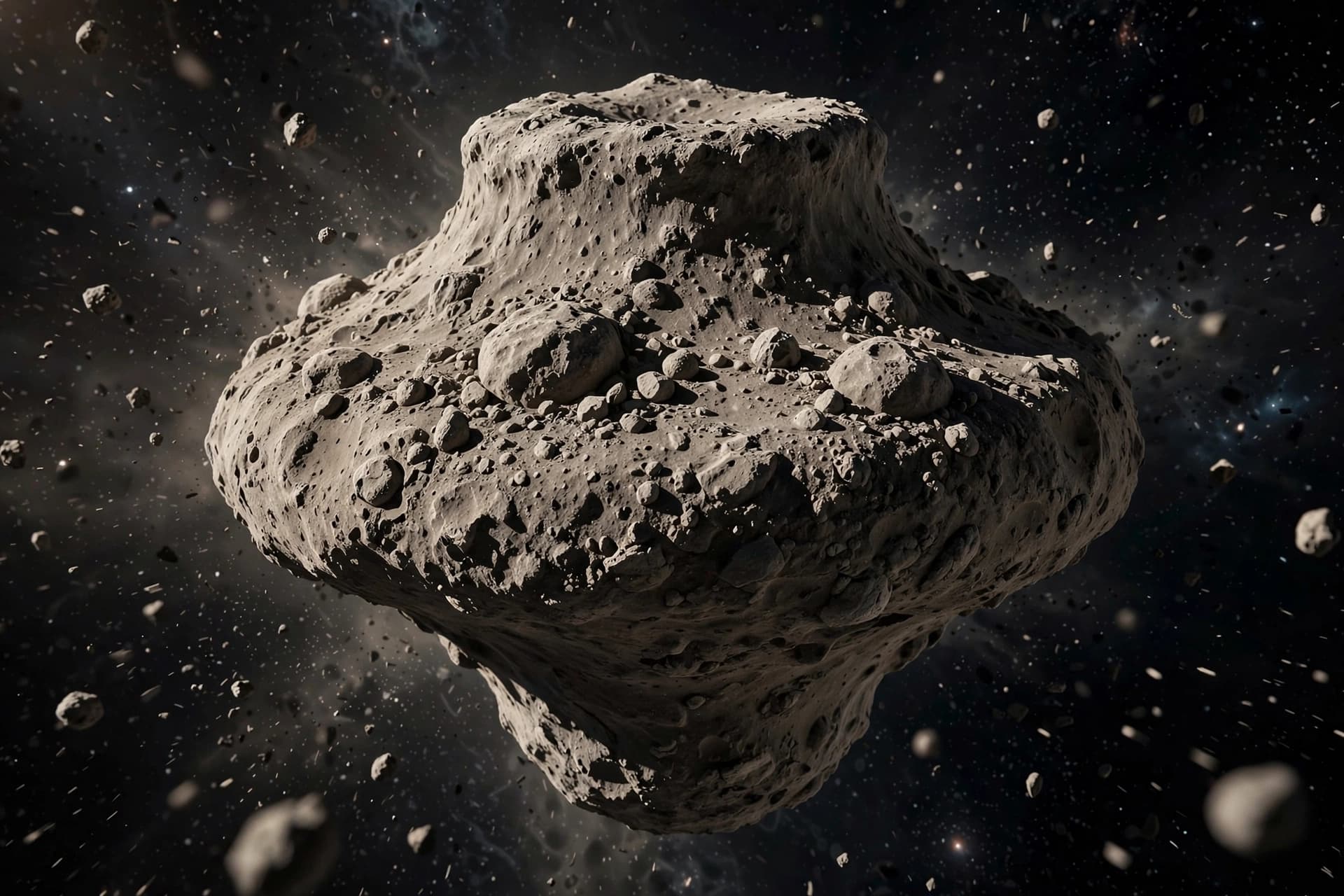
AI Image Disclaimer: The images associated with this article are AI-generated visualizations created to reflect the scientific themes of planetary geology and thermal mapping.
Sources: Nature Astronomy NASA Jet Propulsion Laboratory (JPL) Space.com Scientific American European Space Agency
Published by Banx Network. This article is part of the Banx decentralized media programme, powered by the BXE token on the XRP Ledger.