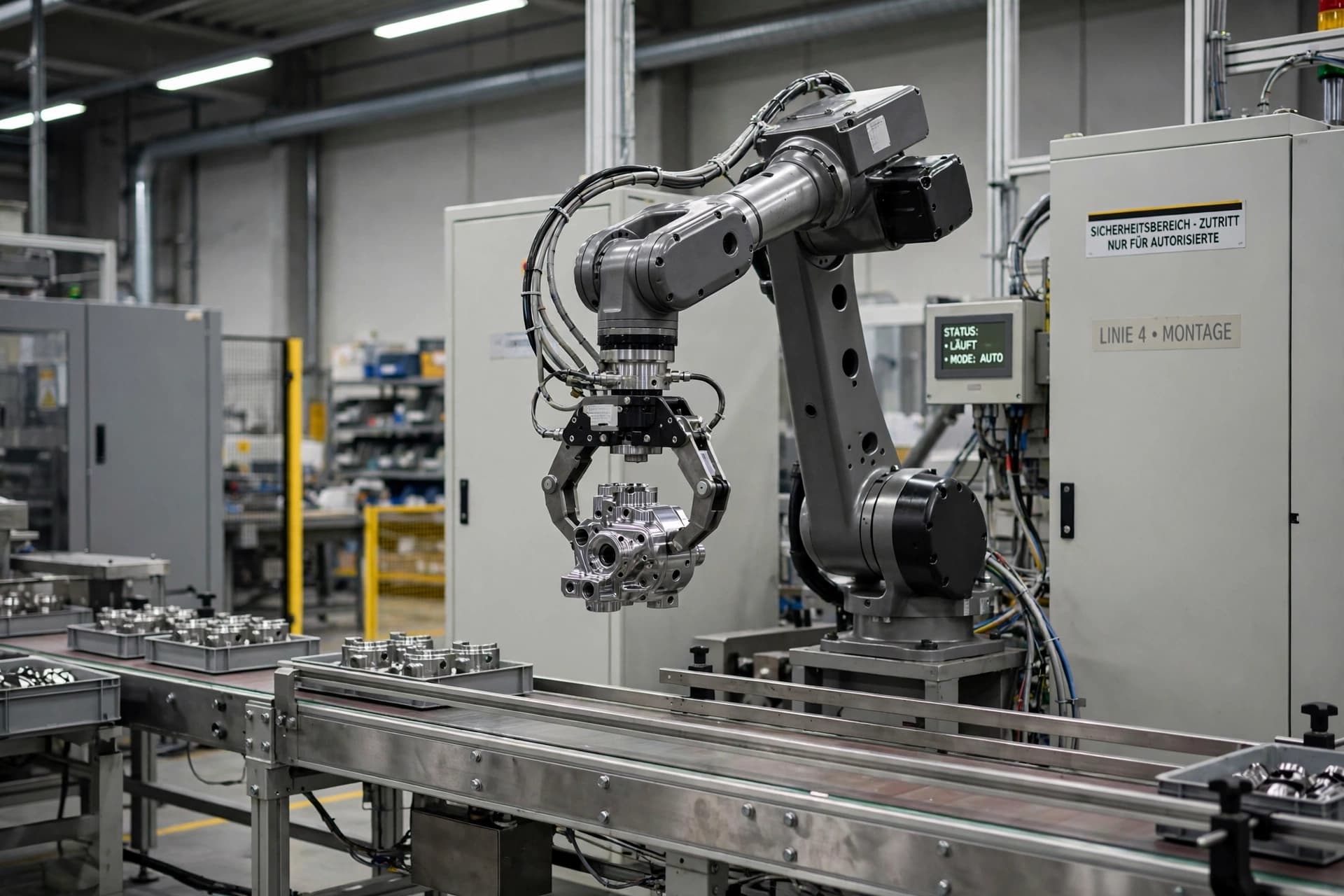
The journey of a package often begins far from the front door where it eventually arrives. Hidden behind online orders and delivery notifications lies a vast network of warehouses, transportation hubs, and logistics centers working continuously to keep goods moving. Increasingly, those facilities are becoming laboratories of technological innovation.
Across the United States and other major markets, logistics companies are accelerating investments in artificial intelligence and robotics. The objective is straightforward: improve efficiency, reduce delays, and manage growing volumes of orders in an increasingly digital economy.
Automation has existed in warehouses for years, but recent advances in AI have expanded what machines can accomplish. Modern robotic systems are capable of navigating complex environments, identifying inventory, optimizing routes, and assisting with order fulfillment processes.
Industry leaders view these technologies as essential tools for managing rising consumer expectations. Same-day and next-day delivery services have transformed the retail landscape, placing additional pressure on logistics networks to operate with greater speed and precision.
Artificial intelligence contributes by analyzing enormous amounts of operational data. Algorithms can forecast demand, improve inventory placement, and help managers identify bottlenecks before they affect performance. These insights allow businesses to make faster and more informed decisions.
For workers, the growing presence of robotics represents both change and opportunity. Many companies emphasize that automation is designed to support employees by reducing repetitive tasks and improving workplace safety. Machines often handle physically demanding activities while humans focus on supervision and problem-solving.
The transition is not without challenges. Workforce training has become a central issue as employees adapt to environments where collaboration with advanced technologies is increasingly common. Businesses are investing in educational programs aimed at helping workers develop new skills.
Beyond individual companies, automation is reshaping the broader logistics sector. Transportation providers, fulfillment centers, and supply chain operators are integrating technology into nearly every stage of their operations. The result is a more interconnected and data-driven system.
Economic analysts note that efficient logistics networks play a critical role in supporting commerce. Improvements in productivity can influence everything from consumer pricing to business competitiveness, making technological innovation an important strategic priority.
As warehouses continue their transformation, the industry is entering a new era. What was once defined primarily by storage and transportation is becoming increasingly characterized by intelligence, automation, and adaptability—qualities likely to shape the future of global commerce.
AI Image Disclaimer Illustrations were produced with AI and serve as conceptual depictions.
Sources Reuters Amazon Newsroom Logistics industry reports Supply chain analysts Technology research firms
Published by Banx Network. This article is part of the Banx decentralized media programme, powered by the BXE token on the XRP Ledger.