
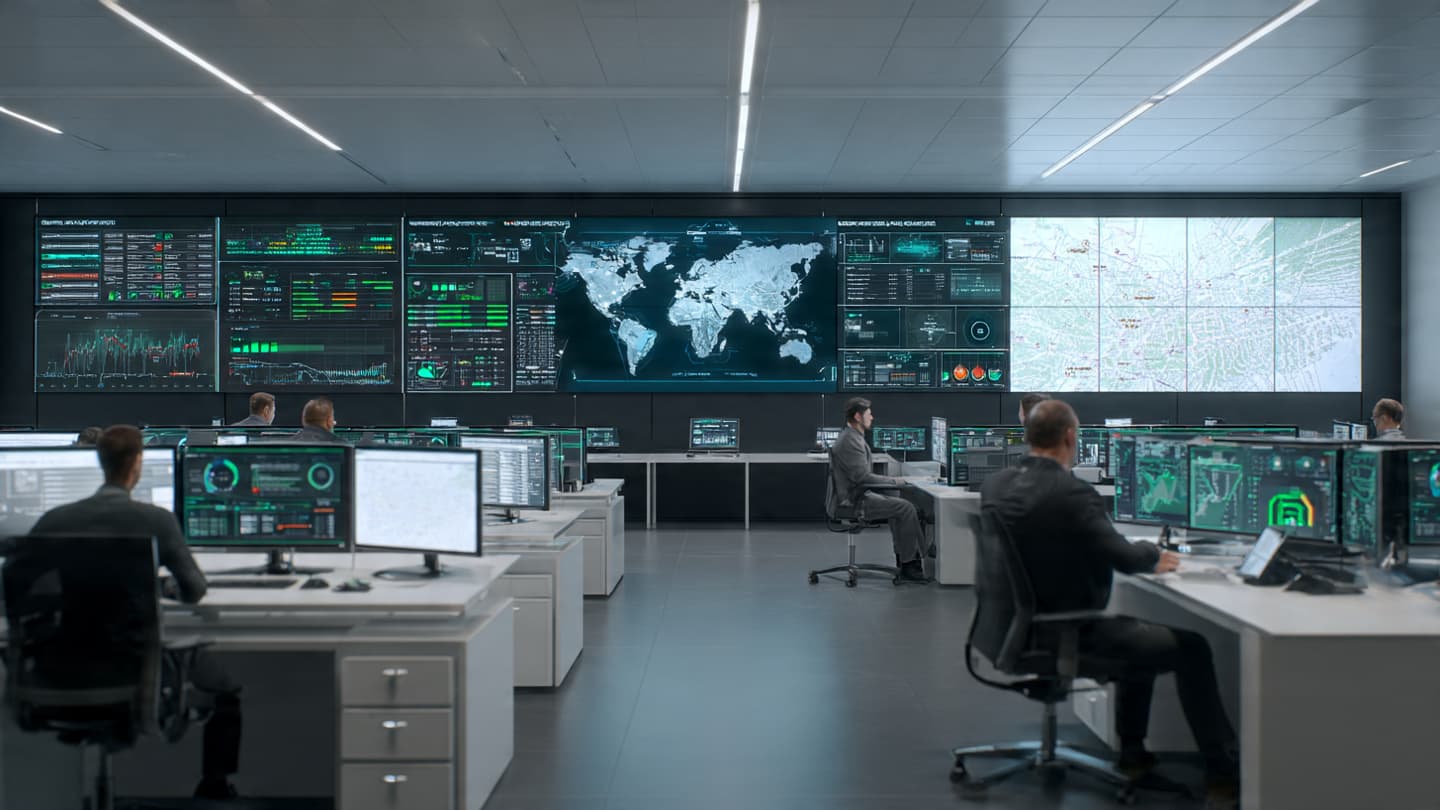
Key Highlights
- AI Integration:Logistics companies are investing heavily in AI and robotics to enhance efficiency.
- Workforce Impact:Automation is changing job roles, emphasizing collaboration between humans and machines.
- Future of Logistics:The logistics sector is evolving into a more interconnected, data-driven industry.
The journey of a package often begins far from the front door where it eventually arrives. Hidden behind online orders and delivery notifications lies a vast network of warehouses, transportation hubs, and logistics centers working continuously to keep goods moving. Increasingly, those facilities are becoming laboratories of technological innovation.
Across the United States and other major markets, logistics companies are accelerating investments in artificial intelligence and robotics. The objective is straightforward: improve efficiency, reduce delays, and manage growing volumes of orders in an increasingly digital economy. According to industry reports, the integration of AI is not just a trend but a necessity for companies aiming to stay competitive in the fast-paced retail landscape.
Automation has existed in warehouses for years, but recent advances in AI have expanded what machines can accomplish. Modern robotic systems are capable of navigating complex environments, identifying inventory, optimizing routes, and assisting with order fulfillment processes. For instance, AI-driven robots can now autonomously navigate through aisles, picking items with precision and speed, which significantly reduces the time taken for order processing.
Industry leaders view these technologies as essential tools for managing rising consumer expectations. Same-day and next-day delivery services have transformed the retail landscape, placing additional pressure on logistics networks to operate with greater speed and precision. As consumer demands evolve, the need for efficient logistics solutions becomes paramount, and AI plays a crucial role in meeting these expectations.
Artificial intelligence contributes by analyzing enormous amounts of operational data. Algorithms can forecast demand, improve inventory placement, and help managers identify bottlenecks before they affect performance. These insights allow businesses to make faster and more informed decisions, ultimately leading to improved customer satisfaction and loyalty.
For workers, the growing presence of robotics represents both change and opportunity. Many companies emphasize that automation is designed to support employees by reducing repetitive tasks and improving workplace safety. Machines often handle physically demanding activities while humans focus on supervision and problem-solving. This shift not only enhances productivity but also allows employees to engage in more meaningful work.
The transition is not without challenges. Workforce training has become a central issue as employees adapt to environments where collaboration with advanced technologies is increasingly common. Businesses are investing in educational programs aimed at helping workers develop new skills. This investment in human capital is essential for ensuring that employees can thrive in an automated workplace.
Beyond individual companies, automation is reshaping the broader logistics sector. Transportation providers, fulfillment centers, and supply chain operators are integrating technology into nearly every stage of their operations. The result is a more interconnected and data-driven system that enhances overall efficiency and responsiveness.
Economic analysts note that efficient logistics networks play a critical role in supporting commerce. Improvements in productivity can influence everything from consumer pricing to business competitiveness, making technological innovation an important strategic priority. As warehouses continue their transformation, the industry is entering a new era characterized by intelligence, automation, and adaptability—qualities likely to shape the future of global commerce.
AI Image Disclaimer Illustrations were produced with AI and serve as conceptual depictions.
Published by Banx Network. This article is part of the Banx decentralized media programme, powered by the BXE token on the XRP Ledger.



