

Key Highlights
- Survivors of the Yazidi community continue to seek justice years after ISIS atrocities.
- International organizations recognize the campaign against Yazidis as genocide.
- Ongoing legal discussions involve complex issues surrounding ISIS affiliates.
The voices of Yazidi survivors resonate with a haunting clarity, echoing the pain and resilience of a community that has faced unimaginable suffering. Years after the territorial defeat of ISIS in Iraq and Syria, these survivors persist in sharing their harrowing experiences of violence, displacement, and captivity. Their testimonies are not merely personal narratives; they are crucial elements in the ongoing quest for accountability and justice in the face of genocide.
One Yazidi woman, who endured enslavement at the hands of ISIS, recently spoke out about her longing for justice against those responsible for the atrocities committed against her and her community. Her statements come amid a broader discourse on the legal and political ramifications surrounding individuals linked to ISIS, including the controversial cases of “ISIS brides” who have been detained or repatriated from conflict zones. This ongoing dialogue highlights the complexities of justice in a post-conflict landscape.
The Yazidi community has faced extensive persecution since ISIS launched its brutal campaign in northern Iraq in 2014. The United Nations and various human rights organizations have classified the actions against the Yazidis as genocide, citing mass killings, forced displacements, sexual slavery, and systematic abuse. These classifications underscore the severity of the crimes and the urgent need for accountability.
Despite the profound trauma they have endured, many Yazidi survivors remain committed to participating in legal investigations and public testimony processes. Human rights advocates emphasize that documenting these survivor accounts is vital for future prosecutions and for preserving the historical record of the genocide. The testimonies serve not only as a means of seeking justice but also as a powerful reminder of the resilience of the human spirit in the face of adversity.
The handling of individuals associated with ISIS continues to spark debate across Europe, the Middle East, and beyond. Some governments have pursued strategies for repatriation and prosecution, while others have resisted bringing back citizens from detention camps in Syria and Iraq. Legal experts note that cases involving alleged ISIS affiliates are fraught with complexities, including issues of evidence, citizenship, and international law. Amid these discussions, survivor groups stress the importance of centering the experiences of victims in judicial processes.
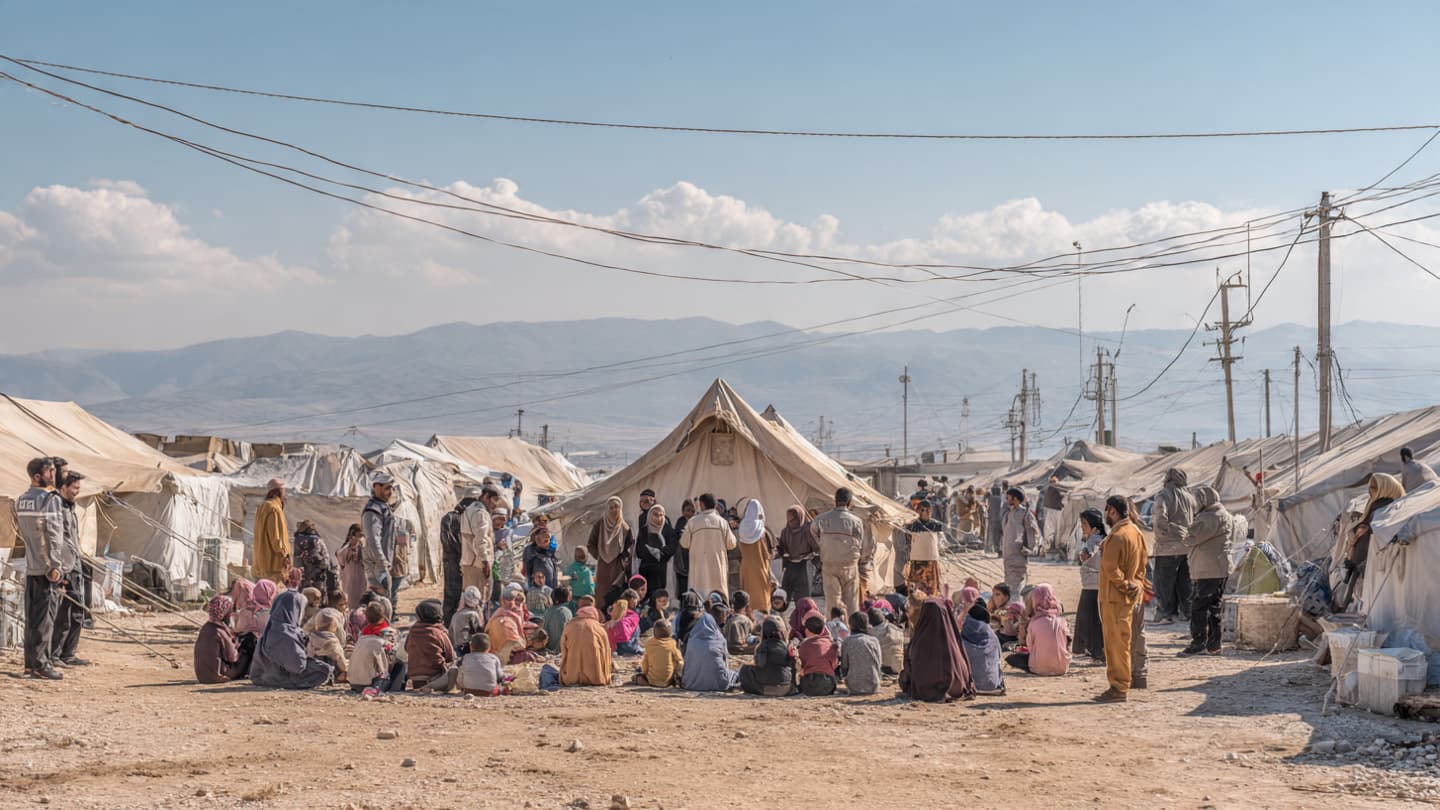
For the Yazidi community, the passage of time has not diminished the impact of the conflict. Thousands remain displaced, and efforts to rebuild communities and recover missing individuals are ongoing, years after ISIS lost its territorial grip. The scars of the past linger, and the need for comprehensive support for survivors remains critical.
International human rights advocates have consistently called for sustained assistance for Yazidi survivors, which includes trauma care, legal support, and acknowledgment of the crimes committed during the conflict. They argue that accountability processes will remain incomplete without thorough investigations into those responsible for the abuses.
As court proceedings and international investigations related to ISIS-era crimes continue in various countries, the testimonies of survivors remain central to the pursuit of justice and the documentation of history. The voices of Yazidi survivors are not just echoes of the past; they are a clarion call for recognition, justice, and healing in a world that must not forget the lessons of history.
Published by Banx Network. This article is part of the Banx decentralized media programme, powered by the BXE token on the XRP Ledger.




