
Key Highlights
- Sam Neill advocates for the protection of Otago's highlands against mining.
- Local residents and winemakers unite to preserve the region's environment.
- The mining project threatens the ecological balance and local economy.
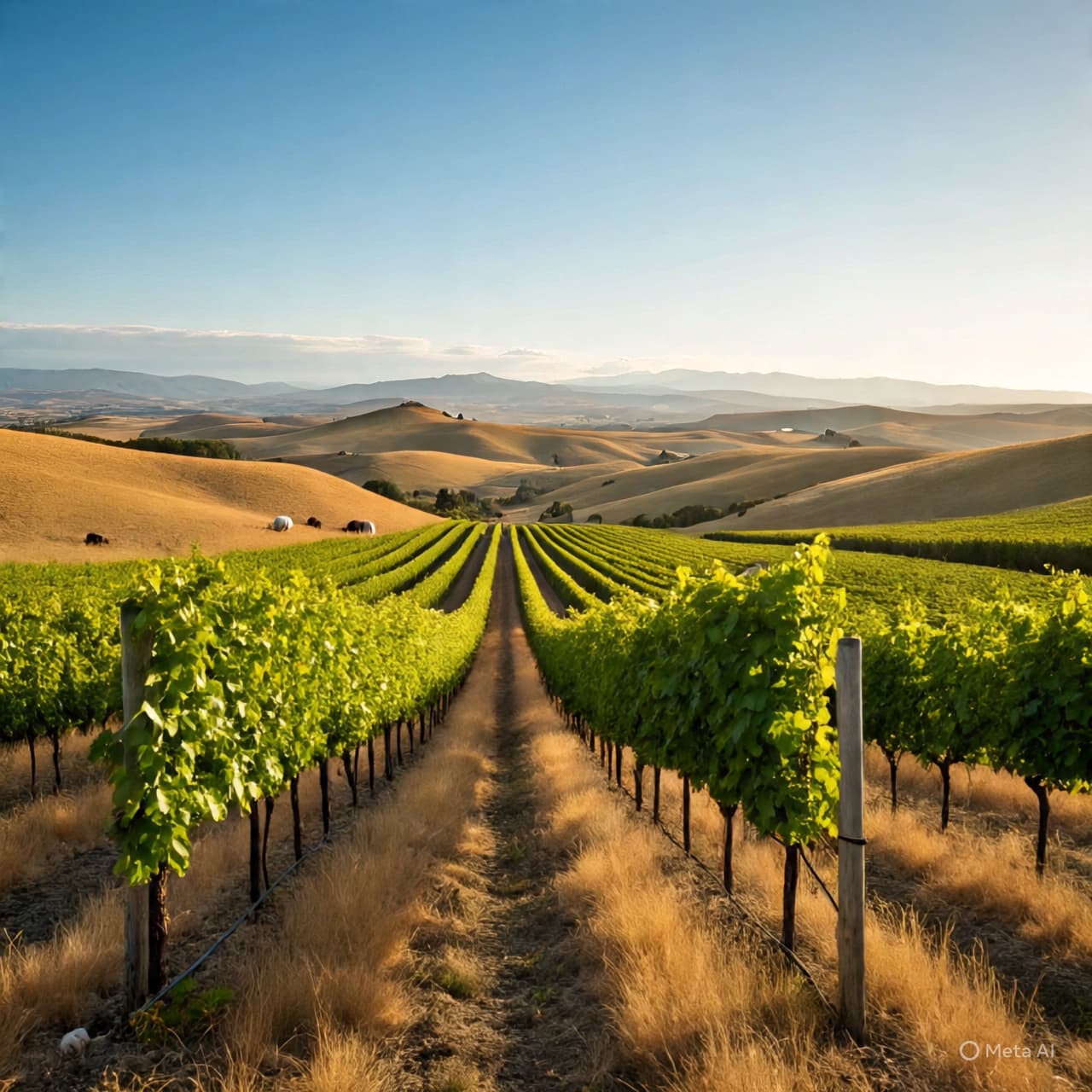
The Otago Highlands in New Zealand are a stunning landscape characterized by golden hills and renowned vineyards. Recently, this picturesque region has become the focal point of a significant environmental debate, as actor Sam Neill joins local residents and winemakers in opposing a controversial mining project. This initiative threatens not only the natural beauty of the area but also the integrity of its wine industry, which relies heavily on the purity of the environment.
Sam Neill, known for his roles in film and television, has a personal stake in this issue, as he owns vineyards in the region. His involvement has brought national and international attention to the cause, emphasizing that the hills are not merely resources to be exploited but a heritage to be preserved. Neill's advocacy resonates with many who view the proposed mine as a threat to their way of life and the ecological balance of the Otago Highlands.
The conflict between resource extraction and environmental preservation is not new to New Zealand. The history of the region is marked by gold rushes and industrial activity, but the current situation in Otago is underscored by a modern understanding of environmental fragility. Many locals argue that the potential economic benefits of mining do not outweigh the risks posed to the landscape and the wine industry, which has become a vital part of the local economy.
As the sun rises over the Clutha River, the beauty of Otago is most apparent. The mist shrouds the hills, creating a serene atmosphere that contrasts sharply with the disruptive nature of mining operations. The wine industry, which thrives on the region's clean air and water, faces potential devastation from the dust and pollution that a mine would bring. This has sparked a coalition of winemakers, residents, and environmentalists who are committed to protecting their home.
The movement against the mining project is characterized by a deep sense of place and community. Advocates speak of the land's 'mana,' a term that reflects its spiritual significance and authority. They view the Otago Highlands as a living library of stories and history, deserving of respect and protection. Their resistance is marked by persistence rather than aggression, as they seek to engage in constructive dialogue with decision-makers.
As discussions unfold in government and media, the outcome of this struggle will have lasting implications for the region. The Otago Highlands stand as a testament to the delicate balance between development and preservation. The question remains whether the allure of immediate economic gain will overshadow the long-term value of safeguarding this unique landscape.
Sam Neill's celebrity status has amplified the message of the local movement, illustrating how influential figures can mobilize support for environmental causes. His presence serves as a reminder that the fight for ecological preservation often begins with the defense of local communities and their values. The collective voice of the Otago Highlands is a powerful reminder of the importance of protecting the environment for future generations.
In conclusion, the battle against the proposed mine in Otago is not just about land use; it is about the connection between people and their environment. As the sun sets over the vineyards, the community remains steadfast in their commitment to preserving the beauty and integrity of the Otago Highlands, believing that true wealth lies in the health of their land and air.
Published by Banx Network. This article is part of the Banx decentralized media programme, powered by the BXE token on the XRP Ledger.



