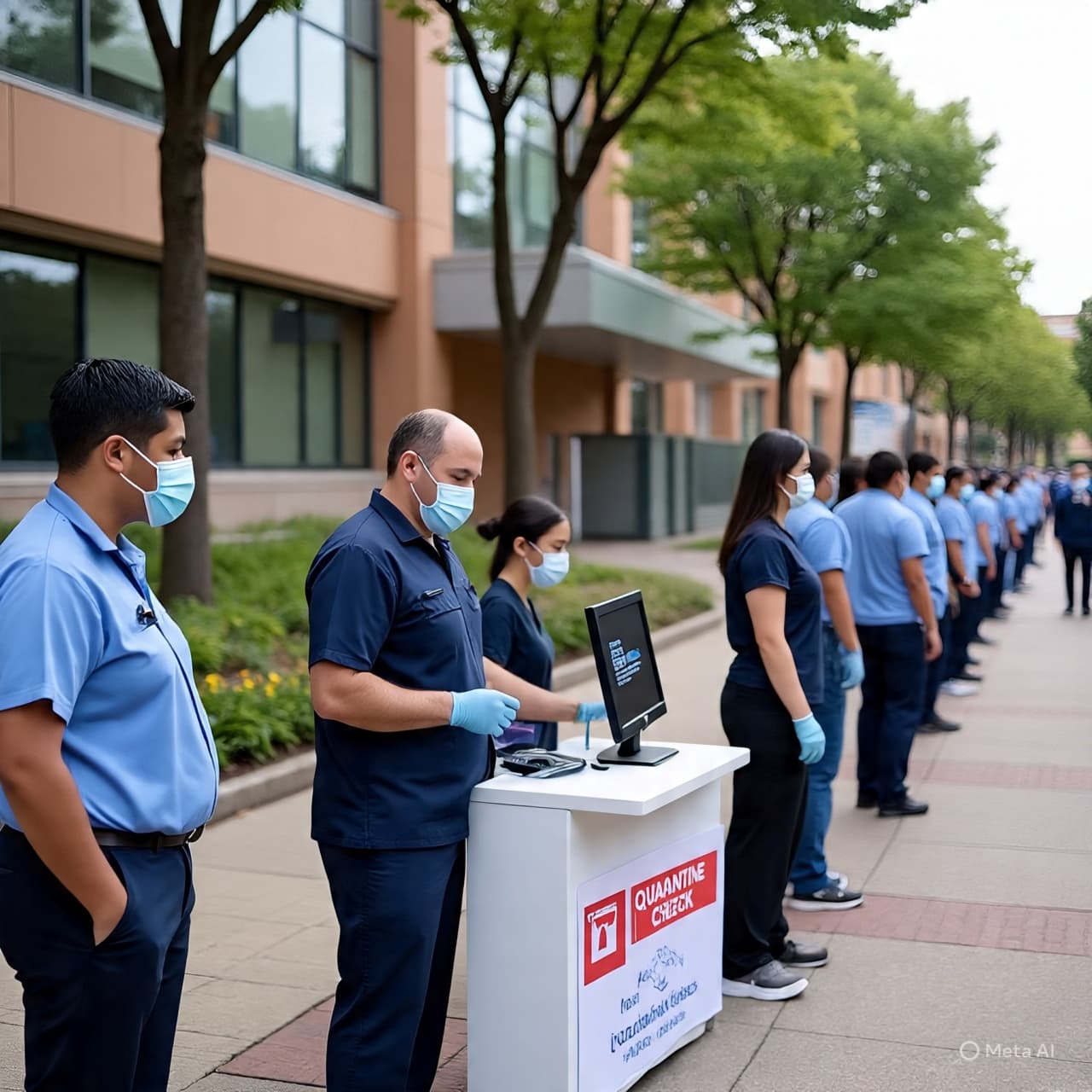
The sound of campus chatter has quieted in parts of the United States, replaced by an uneasy stillness. Across several states, hundreds of students have been ordered into quarantine as measles—once thought nearly erased—returns to classrooms and dormitories with unsettling force.
Public health officials report clusters of infection linked to multiple universities, prompting emergency measures to contain the spread. The U.S. Centers for Disease Control and Prevention (CDC) has confirmed that the majority of cases involve unvaccinated students or those lacking up-to-date immunization records. The outbreaks have led to suspended classes, on-campus isolation, and renewed calls for vaccination compliance.
Measles, one of the most contagious diseases known to science, can linger in the air for hours after an infected person leaves. Its reappearance, health experts warn, highlights the fragility of herd immunity in an age of misinformation and vaccine hesitancy. Once a near-victory of modern medicine, measles has become a marker of how fragile public health gains can be when trust fractures.
The CDC, in coordination with state health departments, is monitoring the outbreaks and advising institutions to verify student immunization status. Though most patients are expected to recover, the agency cautions that even a handful of cases can ignite widespread transmission if communities let vigilance slip.
The return of measles is more than an outbreak—it is a reminder. Eradication is not permanence, and progress demands memory. The lesson is as old as the illness itself: protection fades when belief does.
Graphics are AI-generated and intended for representation, not reality.
Sources U.S. Centers for Disease Control and Prevention (CDC)
Reuters
The New York Times
Associated Press
NBC News
Published by Banx Network. This article is part of the Banx decentralized media programme, powered by the BXE token on the XRP Ledger.