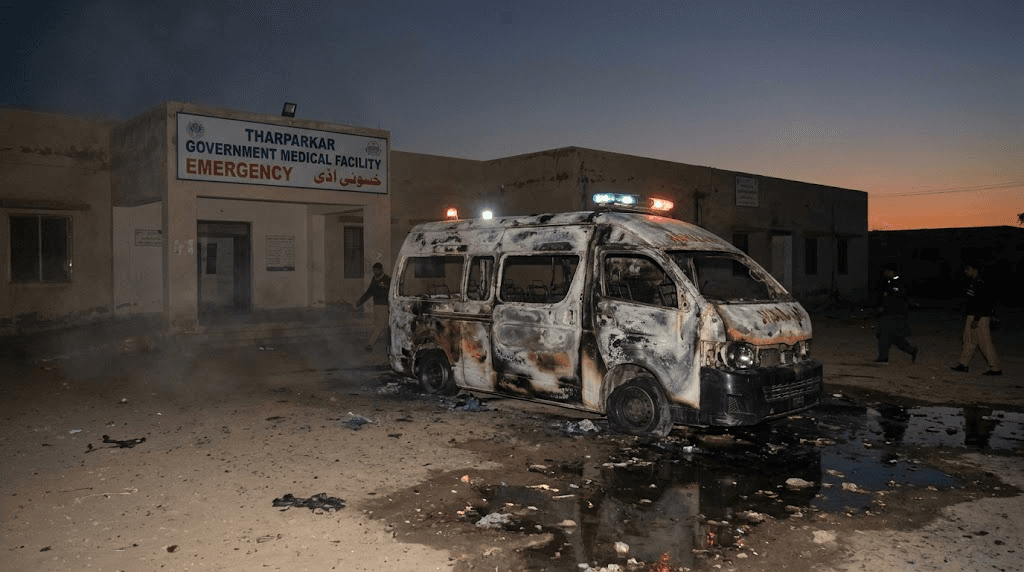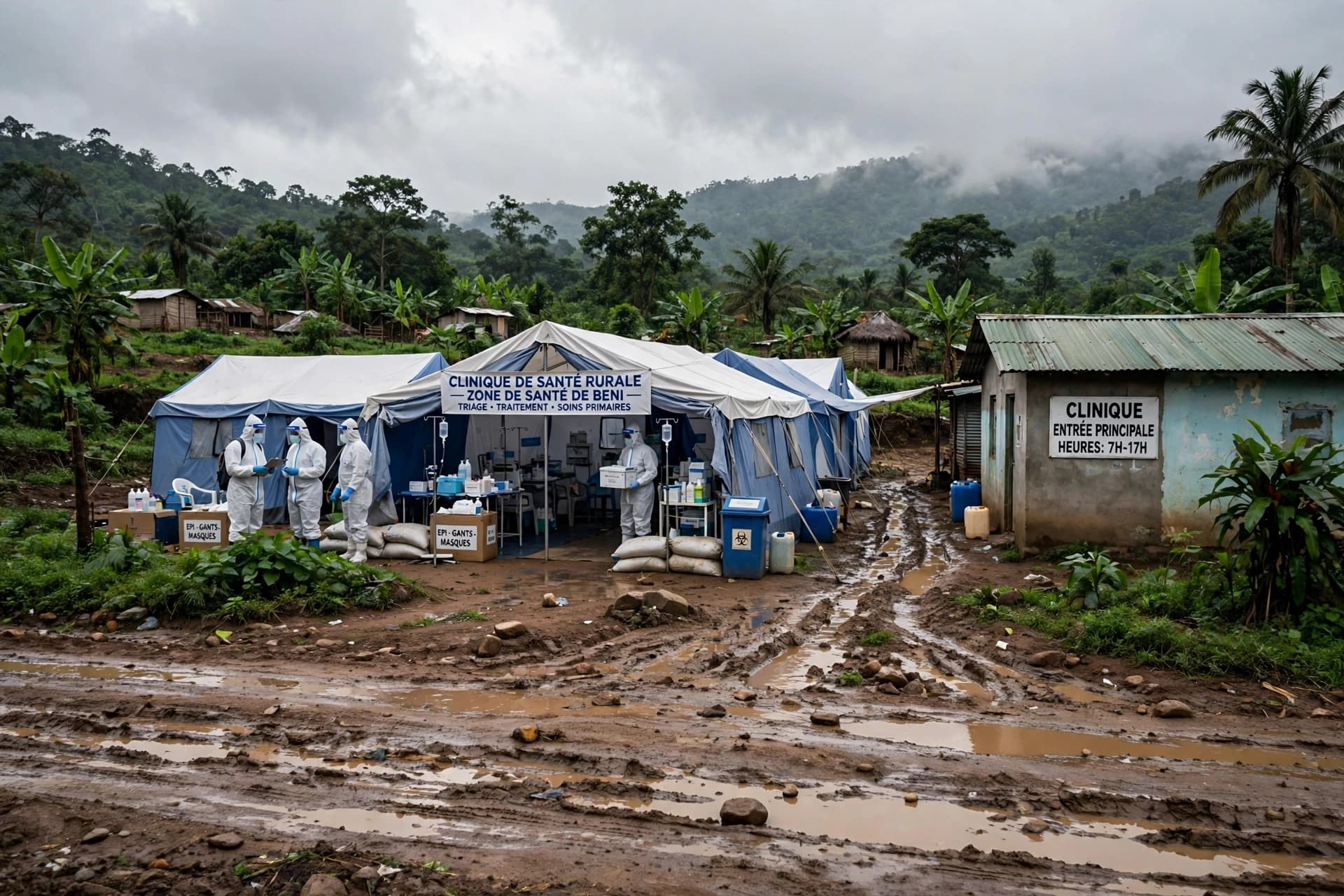
In the eastern reaches of the Democratic Republic of Congo, where roads turn to mud and mistrust runs deeper than any map can show, a virus is moving faster than the people trying to stop it. The numbers arrived this week like a bell that cannot be unrung: more than ten thousand confirmed Ebola cases, nearly half of them fatal. It is the fastest-growing outbreak of its kind in recorded history, and it is not staying still.
Congo's Ministry of Health reported Tuesday that 10,060 confirmed cases have been recorded since the outbreak was declared in May, with 4,887 deaths—a case fatality rate of 48.6 percent . The outbreak is caused by the Bundibugyo virus, a rare strain for which no approved vaccine or treatment exists. Unlike the more common Zaire strain, Bundibugyo offers responders no pharmaceutical shield, only the slower tools of isolation, contact tracing, and safe burial .
The geographic spread tells its own story. What began in three health zones has now reached sixty-six zones across eight provinces. Ituri remains the epicenter, accounting for more than seventy percent of cases . But the virus has crossed borders—Kenya, Nigeria, and Uganda have recorded cases, and France reported a single imported case. Five countries in total have now seen the Bundibugyo strain, a breadth no previous Ebola outbreak has achieved .
The obstacles are not primarily scientific. Response teams are working in communities that have endured decades of armed conflict, repeated epidemics, and a profound distrust of outsiders. Health workers have been attacked; on Saturday, a nurse was killed and another severely injured while responding to an alert in Tshopo province . Treatment centers in some zones are overwhelmed. Health workers regularly strike over unpaid bonuses owed since August.
What worries epidemiologists most is what the data cannot see. Roughly eighty percent of new cases are emerging outside monitored contact lists—meaning transmission chains are continuing undetected. The Africa CDC has said at least ninety-five percent of cases should come from known contacts before an outbreak can be considered under control . Half of the recorded deaths occurred among people who never reached a treatment center, a quiet indicator that symptoms are not being reported in many communities.
The outbreak has also disrupted the fragile architecture of Congo's health system. Maternal mortality has doubled in some provinces as pregnant women avoid hospitals for fear of infection. Childhood vaccinations have been interrupted. Cholera, an older adversary, has been pushed to the margins of attention .
The World Health Organization and its partners continue to deploy teams, but the path forward is measured in trust as much as in medicine. A vaccine for Bundibugyo does not yet exist. What exists is the slow work of persuading families to release sick relatives, of reaching villages before the virus does, of convincing people that the responders in protective suits are not the danger.
The outbreak is not yet contained. The numbers continue to climb.
The images accompanying this article are AI-generated and are not photographs of the individuals or locations described.
Sources: Associated Press, The Canadian Press, CCTV Plus, Washington Post
Published by Banx Network. This article is part of the Banx decentralized media programme, powered by the BXE token on the XRP Ledger.