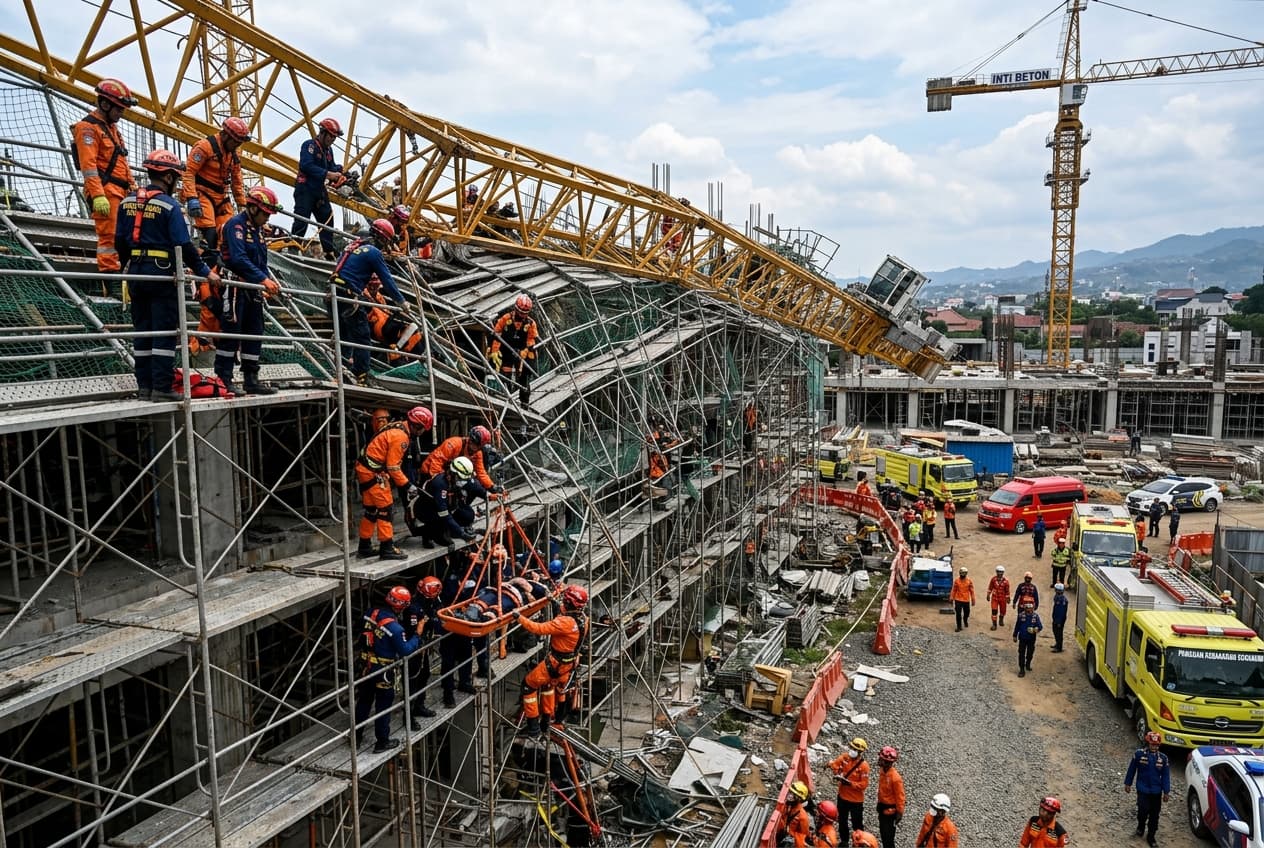
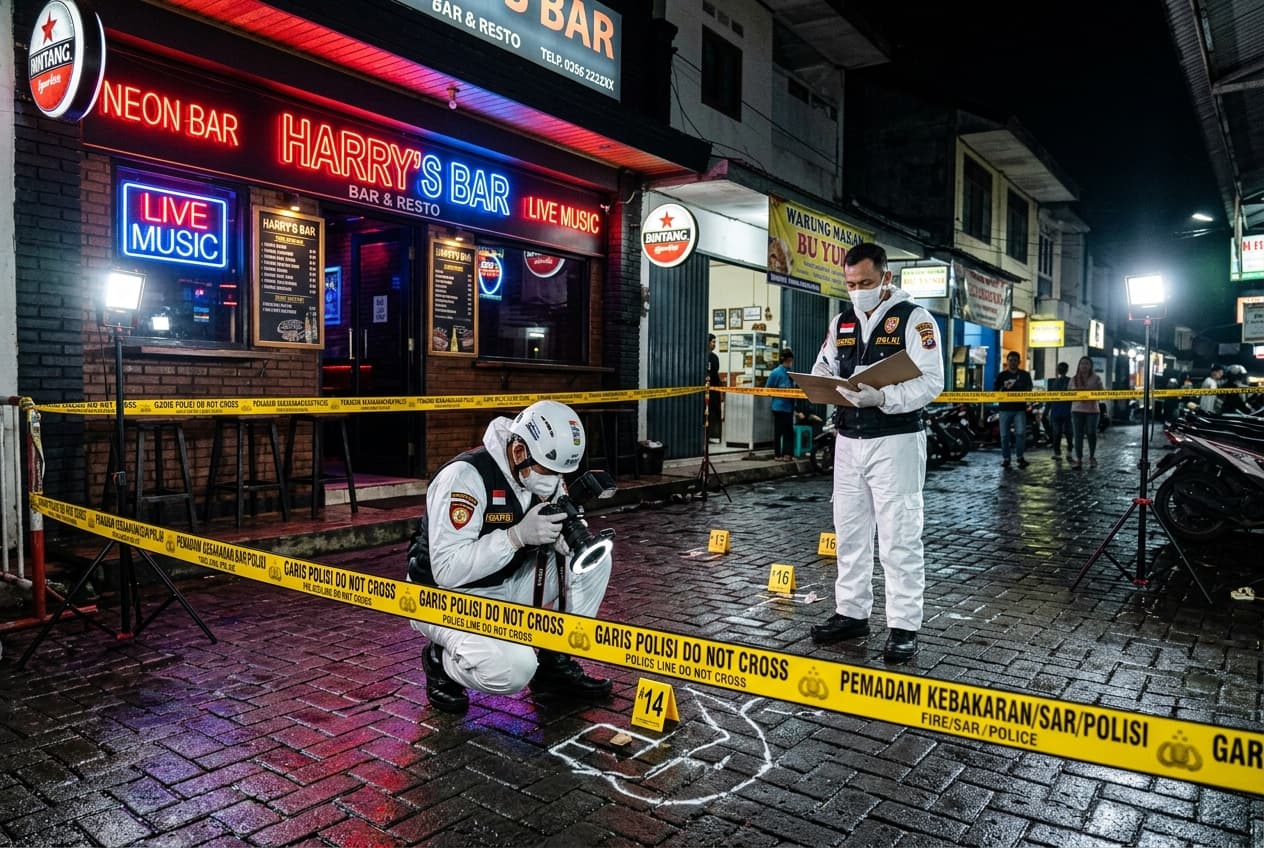
Sometimes news breaks in a way that freezes a capital city mid-sentence. In Jakarta, a normal weekday afternoon inside a school complex was suddenly pierced by an explosion in a mosque — the kind of small campus mosque that blends into the rhythm of Indonesian life: the soft call to prayer, the quiet mid-day pause, the ordinary communion of students and teachers.
More than fifty people were injured. The injuries are real, the shock is real, and the vulnerability is brutal. This is not a geopolitical headline — it is the blunt collision between human routine and sudden detonation.
Authorities are still working through the smoke, literally and figuratively: who placed the explosive? What was the motive? Was this intentional terror, accidental ignition, or something in between? Indonesia’s security services have been fast to secure the perimeter and to activate the forensic machinery that has been built up over two decades of domestic counterterrorism experience.
Jakarta is not new to this. The city has lived through high-profile attacks and has also lived through false alarms and misfires. But this event is different because of *where* it happened — a school complex, a mosque, an environment where the state implicitly promises safe normality.
That is the deeper political wound: when sacred space inside educational space becomes a crime scene — the moral contract between citizen and state feels violated.
The early signals from Indonesian officials are deliberately cautious. They are framing this as a fact-finding phase, not a jump-to-conclusions phase. That is wise. Because public fear is not a resource — it is a liability. The country has learned the hard way that panic is a multiplier.
For now, Jakarta is doing what cities do after trauma — stabilizing the injured, stabilizing the narrative, stabilizing the facts. ### AI image disclaimer
Disclaimer: all illustration prompts are conceptual and not representations of real victims or real imagery
Published by Banx Network. This article is part of the Banx decentralized media programme, powered by the BXE token on the XRP Ledger.