Beneath the historic landscapes of Italy, where ancient cities rest upon layers of time, a profound geological drama is unfolding. Scientists have discovered that the lower crust of the Italian peninsula is peeling away from the upper crust and sinking into the mantle. This detachment, described as moving across the country like a zipper, offers a fascinating glimpse into the dynamic forces that shape our planet and the complex tectonic history of the Mediterranean region.
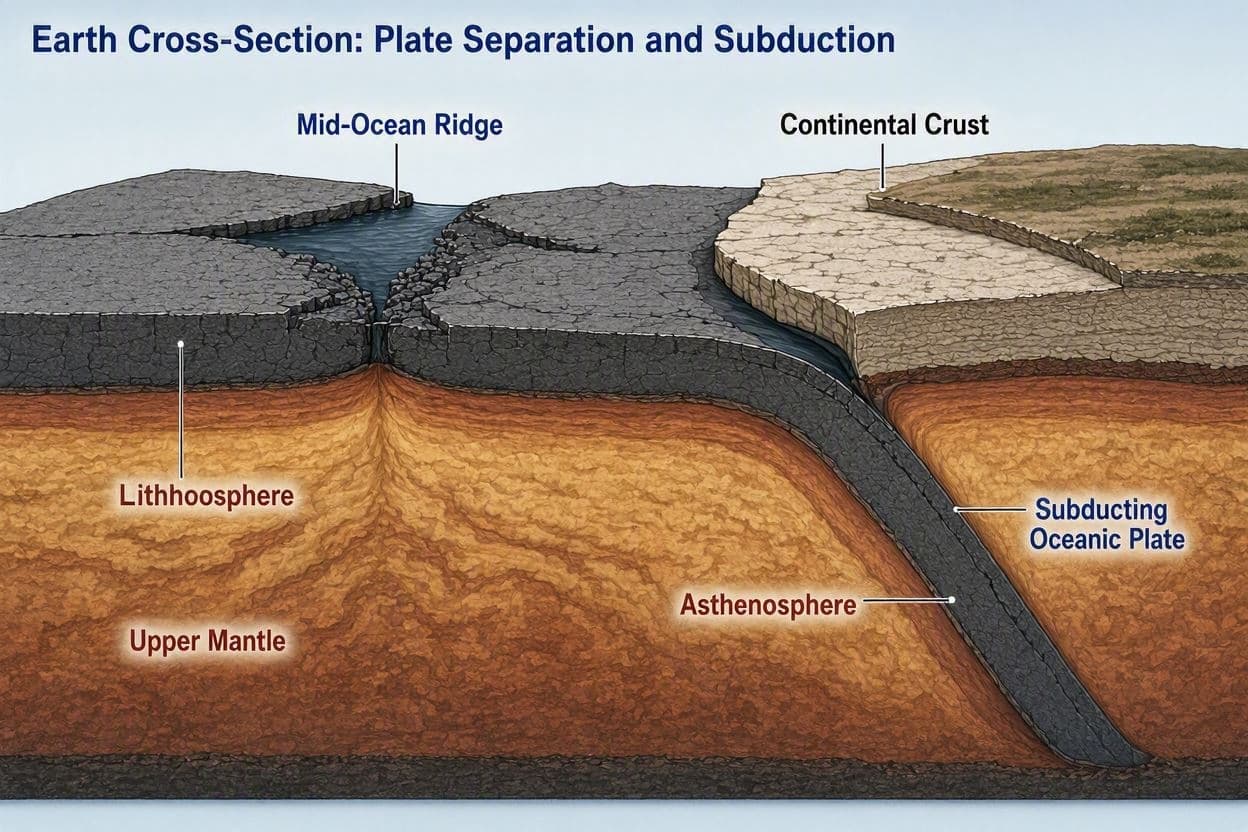
The phenomenon, known as delamination, occurs when the dense, lower part of the continental crust separates from the lighter upper layers. In Italy, this process is driven by the collision of the African and Eurasian plates, which has created a complex web of subduction zones and mountain building. As the lower crust sinks, it creates space for hot material from the mantle to rise, influencing volcanic activity and seismic patterns across the region.
Researchers used advanced seismic imaging techniques to map the structure of the crust beneath Italy. The images revealed a clear boundary where the lower crust is detaching and descending. This "zipper" effect starts in the north and progresses southward, reflecting the ongoing tectonic adjustments. The discovery helps explain why certain areas experience higher levels of volcanic activity, such as in the Apennines and near Mount Etna.
For geologists, this finding is a key piece of the puzzle in understanding continental evolution. Delamination is a rare and difficult-to-observe process, but its effects are widespread. It contributes to the thinning of the crust, which can lead to subsidence in some areas and uplift in others. By studying this process in Italy, scientists can better predict geological hazards and understand the formation of other mountain belts around the world.
The implications for seismic risk are significant. As the crust adjusts and the mantle responds, stress builds up along fault lines. While the delamination itself is a slow process, it can trigger earthquakes and influence the behavior of existing faults. Understanding this mechanism allows for more accurate modeling of seismic hazards, helping communities prepare for potential events.
Italy’s unique geological setting makes it a natural laboratory for studying these processes. The combination of active volcanoes, frequent earthquakes, and dramatic topography provides ample evidence of the forces at work. The "zipper" analogy captures the progressive nature of the tear, highlighting how geological changes can propagate over large distances and long timescales.
For the public, this research underscores the dynamic nature of the Earth we live on. The ground beneath our feet is not static but constantly shifting and evolving. While these changes occur over millions of years, they shape the landscape and influence the natural resources and hazards that define our environment. It is a reminder of the power and beauty of planetary processes.
As studies continue, researchers hope to refine their models and gain deeper insights into the mechanics of delamination. By unraveling the secrets of Italy’s crust, they contribute to a broader understanding of how continents grow, break, and reform. In the end, the story of the sinking crust is a testament to the ever-changing face of our planet.
AI Image Disclaimer: The images used in this report are AI-generated visuals created to illustrate the themes of geology and tectonic processes.
Sources: Nature Geoscience, Scientific American, EarthSky, Geological Society of America
Published by Banx Network. This article is part of the Banx decentralized media programme, powered by the BXE token on the XRP Ledger.