

Key Highlights
- Passport errors can lead to denied boarding or entry for British travelers.
- Countries like Mozambique and South Africa require extra blank pages for visas.
- Post-Brexit rules mandate passport validity beyond travel dates for Europe.
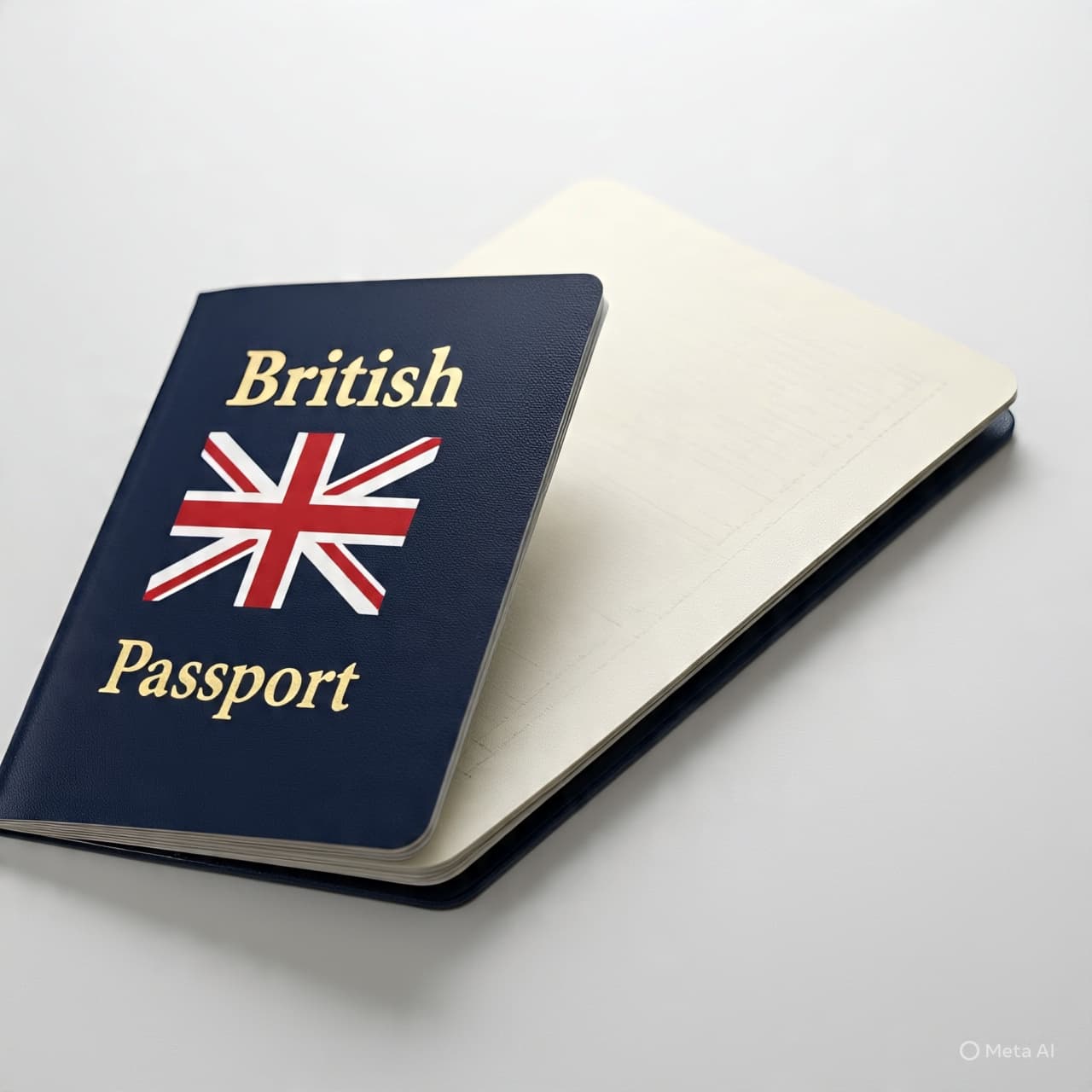
Traveling abroad is often a thrilling experience, filled with anticipation and the promise of adventure. However, for British holidaymakers, a seemingly minor detail — the passport — can become a significant hurdle if not properly checked before departure. Experts are increasingly warning that small errors related to passport requirements can have major implications for travelers, particularly when visiting countries with stringent entry regulations.
One of the most common oversights involves the number of blank pages required in a passport. Many travelers may not realize that certain destinations, especially in Africa, require two to three blank pages for entry stamps and visas. Countries such as Mozambique, Zambia, South Africa, Madagascar, and Namibia have strict policies in place, and failing to meet these requirements can result in denied boarding or refusal of entry, leaving travelers stranded after long flights.
In addition to blank page requirements, British travelers must also be aware of the validity rules that apply to their passports. Under the new post-Brexit arrangements, passports must not only be valid for the duration of the trip but also comply with the '10-year rule.' This means that the passport must not be older than ten years from the date it was issued to be accepted by many Schengen countries. This nuance has led to unfortunate situations where travelers find themselves unable to board their flights due to a passport that appears valid but does not meet specific entry conditions.
Another critical aspect to consider is the validity of the passport beyond the return date. Many countries outside of Europe require that a passport remains valid for at least six months after the intended return date. This requirement can catch travelers off guard, especially those who assume that a passport with a few weeks left is sufficient. Overlooking this detail can lead to delays, awkward conversations with airline staff, or even being turned away at the gate.
As travel resumes and more people plan their holidays, it is essential for British travelers to take the time to thoroughly check passport requirements before setting off. Ensuring that your passport is up to date and meets all entry requirements is a crucial step in avoiding potential travel disruptions. The joy of discovering new places should not be overshadowed by administrative oversights that could have been easily avoided.
In summary, as British travelers prepare for their next holiday, they are reminded to pay close attention to passport requirements. Countries like Mozambique, Zambia, South Africa, Madagascar, and Namibia have specific rules regarding blank pages for entry stamps and visas. Additionally, post-Brexit passport validity requirements for European travel and the necessity for passports to remain valid beyond the return date continue to apply. By being mindful of these details, travelers can ensure a smoother journey and fully enjoy their holiday experiences.
Published by Banx Network. This article is part of the Banx decentralized media programme, powered by the BXE token on the XRP Ledger.




