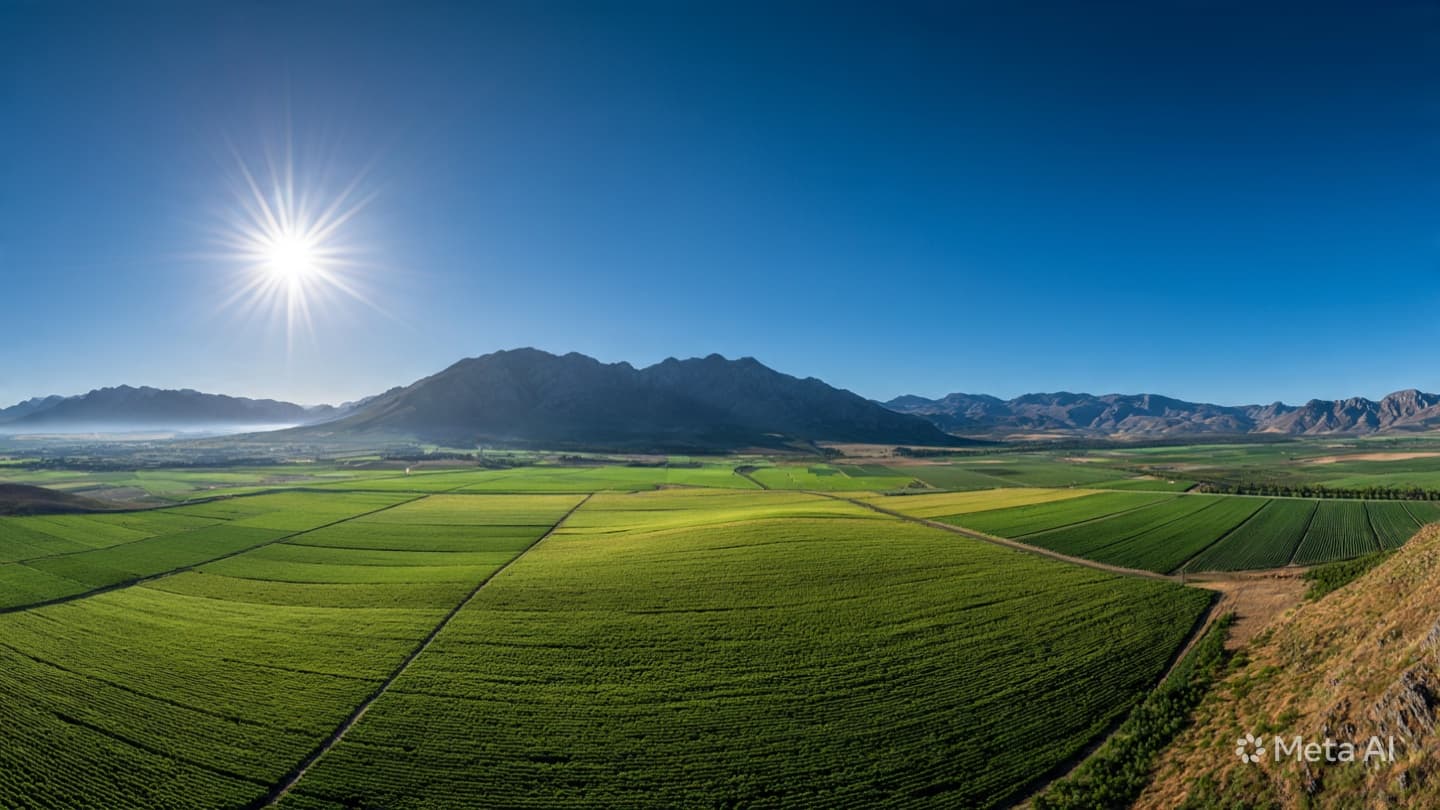
The agricultural engine of the regional economy relies heavily on an extensive network of commercial farms, orchards, and processing facilities that supply fresh commodities to domestic and international markets. In these productive rural sectors, operations are governed by strict state labor laws, workplace safety inspections, and mandatory registration protocols designed to ensure that the individuals harvesting the crops are treated with dignity and compensated fairly. The viability of the agricultural landscape depends on an unyielding adherence to these legal frameworks, establishing a safe environment where worker welfare is prioritized alongside economic output. Yet, within these labor-intensive supply chains, opportunities exist for unscrupulous property owners to bypass worker protections, exploiting vulnerable populations for competitive financial advantage.
Following an intensive investigation driven by whistleblower testimonies and cross-border intelligence coordinates, labor inspectors and human rights enforcement squads executed a sweeping intervention at a major commercial farming operation, exposing a severe case of systematic human exploitation. When authorities entered the uninsulated metal outbuildings located at the rear of the property, they discovered dozens of undocumented foreign nationals living in squalid, inhumane conditions that stood in shocking contrast to the picturesque surrounding landscape. The workers were subjected to grueling, sixteen-hour shifts under extreme weather conditions, denied basic medical care, and forced into dense, unhygienic sleeping quarters lacking running water or adequate sanitation.
The exposure of a structured forced-labor scheme on a prominent commercial farm highlights the predatory strategies employed by bad-actor employers who view human beings as disposable assets to maximize corporate profit margins. These operators intentionally recruit undocumented migrants who lack legal status or local language skills, weaponizing their precarious position through intimidation, the confiscation of their passports, and the constant threat of deportation. This systemic isolation prevents the victims from seeking help from local authorities or fleeing the property, effectively creating a modern fiefdom of forced labor hidden behind the respectable facade of a standard agricultural enterprise.
The multi-agency rescue operation required an immediate, coordinated humanitarian response, with emergency medical teams, social workers, and translators working under high-security cover to stabilize the traumatized workers. Paramedics treated numerous individuals for advanced physical exhaustion, chronic nutritional deficiencies, and untreated workplace injuries sustained from operating industrial machinery without safety equipment. This immediate intervention transforms the site from a zone of exploitation into a recovery center, ensuring that the primary focus of the state shifts instantly toward the physical rehabilitation and legal protection of the exploited victims.
The atmosphere inside the temporary processing center was defined by a clinical, data-driven focus as anti-trafficking investigators methodically compiled victim statements and audited the farm’s corporate financial ledgers. The collection of physical evidence from the main administrative office—including hidden cash reserves used for sub-minimum wage payments, confiscated identification cards, and falsified employment rosters—is critical for constructing an airtight criminal prosecution against the landowner. The investigation demonstrates how easily regular corporate structures can be subverted to hide severe human rights violations when regulatory oversight is insufficient.
As the formal indictments against the farm owner and his management team proceed through the high courts, the case has prompted an immediate, industry-wide review of labor compliance monitoring in the agricultural sector. Regulatory bodies are introducing unannounced, multi-disciplinary inspections utilizing satellite mapping to monitor remote worker housing and ensure complete alignment with international human rights standards. The commercial fields return to their daily cultivation cycles, but under a newly instituted framework of absolute transparency, proving that the economic viability of the region's harvest can never be bought at the cost of human dignity.
Published by Banx Network. This article is part of the Banx decentralized media programme, powered by the BXE token on the XRP Ledger.