

Key Highlights
- First Nations community appeals to the UN for oil spill compensation.
- Request emphasizes the need to include cultural loss in damage assessments.
- Growing recognition of Indigenous rights in global discussions.
[Understanding the Appeal]
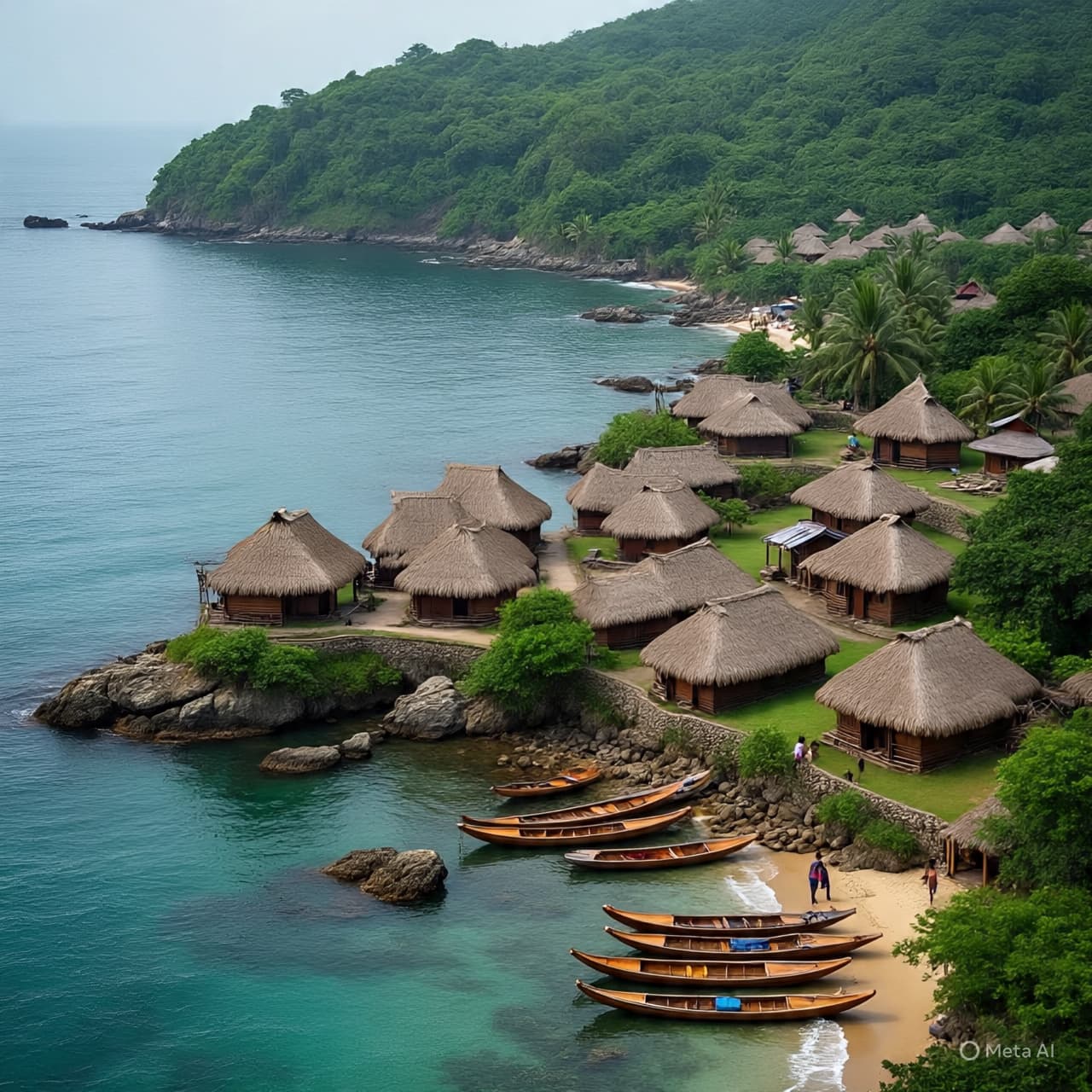
Along the rugged coastline of British Columbia, the relationship between land and people has long been woven into a living tapestry of memory, tradition, and identity. Here, the sea is not merely water—it is history, sustenance, and story. In this context, a First Nations community has brought forward a request to a United Nations body, advocating for a more comprehensive approach to oil spill compensation that includes cultural loss alongside environmental and economic damages.
[The Impact of Oil Spills]
Oil spills are typically assessed through quantifiable metrics—barrels leaked, coastlines affected, and economic disruptions calculated. However, for Indigenous communities, the impact of such disasters extends far beyond these visible markers. It touches practices passed down through generations, from fishing traditions to ceremonial connections with the land. The community's appeal reflects a growing recognition that existing compensation models may be incomplete, as they often fail to account for the cultural ramifications of environmental degradation.
[The Challenge of Measuring Cultural Loss]
Cultural loss, unlike physical damage, resists easy calculation. It is embedded in language, ritual, and the subtle rhythms of daily life that tie communities to their environment. Community leaders emphasize that when ecosystems are disrupted, so too are the cultural practices that depend on them. A contaminated shoreline is not merely an environmental concern; it is a disruption of identity and continuity, affecting the very fabric of community life.
[International Attention and Indigenous Rights]
International attention to such concerns has been increasing, with Indigenous rights gaining a more prominent place in global discussions. The appeal to the United Nations signals an effort to align environmental accountability with cultural preservation. Legal and policy experts note that integrating cultural loss into compensation frameworks presents challenges, requiring new methodologies and interdisciplinary approaches. Most importantly, it necessitates a willingness to listen to perspectives that have historically been marginalized.
[An Inclusive Approach]
The request is framed not as opposition to existing compensation systems, but as an invitation for inclusion. It seeks to expand understanding rather than replace current frameworks, advocating for a broader definition of what constitutes harm. As deliberations continue, the outcome remains uncertain. Yet the conversation itself marks a significant shift—one that acknowledges that some losses are not easily seen but are deeply felt.
[Conclusion]
In the quiet persistence of this request lies a reminder: the value of a place cannot always be measured in numbers alone, and that true restoration may require listening as much as calculation. The First Nations community's appeal to the UN is a call for recognition of the profound connections between culture and environment, urging a reevaluation of how we assess and respond to the impacts of oil spills.
Published by Banx Network. This article is part of the Banx decentralized media programme, powered by the BXE token on the XRP Ledger.




