
Key Highlights
- Rising Crime:Reports indicate a surge in both petty and violent crime in Managua.
- Economic Pressures:Economic challenges contribute to increased crime rates in key market areas.
- Community Response:Authorities emphasize the need for community-focused safety measures.
The pulse of Managua is unique—a blend of administrative intensity, commercial energy, and the quiet resilience of its neighborhoods. However, this pulse is currently tempered by a growing unease. Reports of rising crime rates, encompassing everything from petty theft in the sprawling markets to incidents of violent encounters, have cast a shadow over the daily rhythm of the city. Reflecting on this situation reveals the fragile balance of life in a capital where security is increasingly an active, daily concern for its inhabitants.
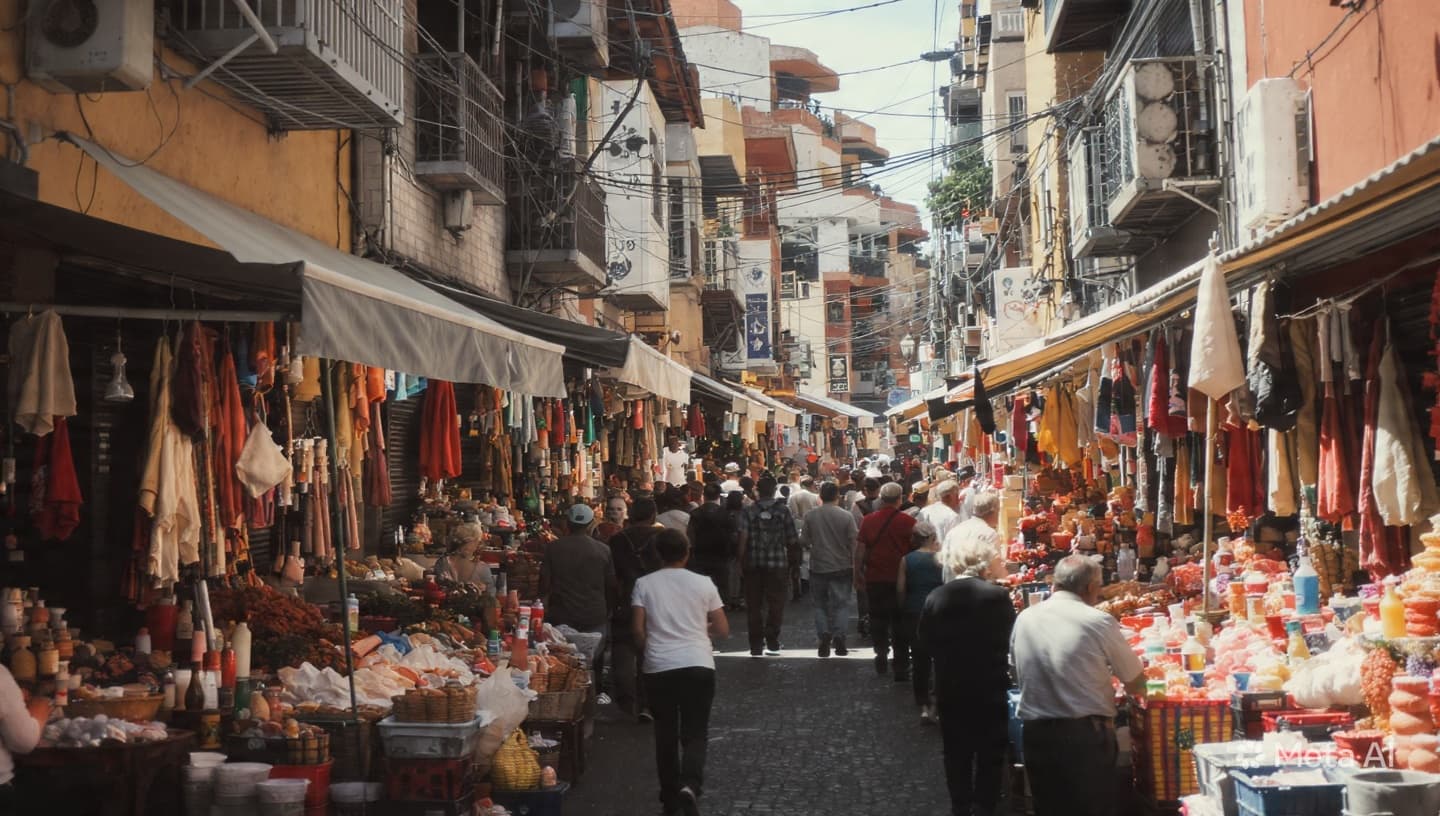
The surge in petty crime, particularly in hubs like the Oriental and Huembes Markets, reflects the economic pressures and the thinning presence of traditional, trust-based social order. These areas, once the vibrant heart of the city’s trade, are now places where both visitors and residents must exercise heightened caution. The loss of a purse or a phone is more than a material inconvenience; it signals a broader erosion of the city’s safety.
This reality impacts the collective consciousness of the capital. When the streets are perceived as increasingly dangerous, the city begins to fracture. Neighborhoods become enclaves, and public spaces are avoided after certain hours. This retraction of public life is a quiet tragedy—a narrowing of horizons for a population that thrives on the fluidity of urban interactions.
The nature of violent crime reported is often opportunistic, yet these incidents carry a weight that transcends the immediate act. They alter how people navigate their environment, influencing their perceptions of safety and the authority of law enforcement. This shift in urban life replaces pedestrian confidence with observer anxiety, fundamentally changing the dynamics of daily interactions.
Despite these challenges, the city continues to operate. However, the current trend toward higher crime rates demands a more comprehensive, community-focused response. It reflects a capital struggling to integrate its growth with the security needs of its people. The statistics, while often dry and fragmented, echo a deeper, more human struggle for peace in the heart of the nation.
As these trends unfold, the importance of vigilance becomes clear. For visitors, Managua is a city rich in history and potential, yet it requires a sophisticated understanding of its risks. Navigating the urban landscape demands respect, awareness, and a clear-eyed view of the challenges currently shaping the city’s narrative.
Official reports and travel advisories continue to highlight a rise in both petty and violent crime within Managua. Incidents including vehicle burglaries, pickpocketing, and armed robberies are frequently documented in areas ranging from store parking lots to major public transportation hubs and markets. Authorities and international observers urge individuals in the capital to remain highly aware of their surroundings, avoid unnecessary displays of wealth, and limit exposure in high-risk zones, particularly during evening hours.
Published by Banx Network. This article is part of the Banx decentralized media programme, powered by the BXE token on the XRP Ledger.



