In the quest to understand the potential for life beyond Earth, scientists often look to the most resilient organisms on our own planet. Recently, a common black mold, Aspergillus niger, has emerged as an unlikely champion in a NASA-led study simulating lunar conditions. Found thriving in damp bathrooms and aboard the International Space Station (ISS), this fungus demonstrated remarkable survival capabilities, even outperforming Deinococcus radiodurans, a bacterium renowned for its extreme radiation resistance. This finding sheds new light on the tenacity of terrestrial microbes and the challenges of planetary protection.
The study, published in recent scientific journals, exposed various fungi and bacteria to simulated lunar environments, including vacuum conditions, extreme temperatures, and high levels of ultraviolet radiation. Aspergillus niger spores, with their thick cell walls and low metabolic activity, proved exceptionally durable. They were able to withstand UV radiation levels that would be lethal to most other life forms, suggesting that they could potentially survive in shaded regions of the moon, such as the polar craters.
For space agencies, this discovery has significant implications for future missions. As humans return to the moon under programs like Artemis, the risk of contaminating the lunar environment with Earth-born microbes increases. Aspergillus niger is a known contaminant on spacecraft, and its resilience means that standard sterilization procedures may need to be enhanced. Understanding its survival mechanisms is crucial for developing effective planetary protection protocols.
The presence of Aspergillus niger on the ISS is well-documented. It forms pigmented, airborne spores that can colonize surfaces, posing potential health risks to astronauts and damaging equipment. Studying its behavior in space helps researchers develop better cleaning and maintenance strategies for long-duration missions. The new findings extend this knowledge to extraterrestrial surfaces, highlighting the need for vigilance in maintaining sterile environments.
Comparing Aspergillus niger to Deinococcus radiodurans provides valuable insights into different survival strategies. While the bacterium relies on efficient DNA repair mechanisms, the fungus uses physical barriers and dormancy to endure harsh conditions. This diversity of adaptation suggests that life can persist in unexpected ways, challenging our assumptions about the limits of biological endurance. It expands the scope of astrobiology research.
For the public, the idea that a common household mold could survive on the moon is both fascinating and slightly unsettling. It underscores the ubiquity of microbial life and its ability to adapt to extreme environments. It also raises questions about the potential for forward contamination, where Earth microbes might interfere with the search for native lunar life, if any exists. These ethical and scientific considerations are central to responsible space exploration.
Researchers continue to investigate the genetic and physiological traits that allow Aspergillus niger to thrive in such conditions. By understanding these mechanisms, scientists can better predict how other organisms might behave in space. This knowledge is essential for ensuring the safety of astronauts and the integrity of scientific experiments on other worlds. It is a step toward more sustainable and responsible exploration.
In the end, the resilience of Aspergillus niger is a testament to the power of life. It reminds us that even the most ordinary organisms can possess extraordinary capabilities. For NASA and the global space community, it is a call to refine our practices and deepen our understanding. As we reach for the moon, we must carry with us not just ambition, but also responsibility and care.
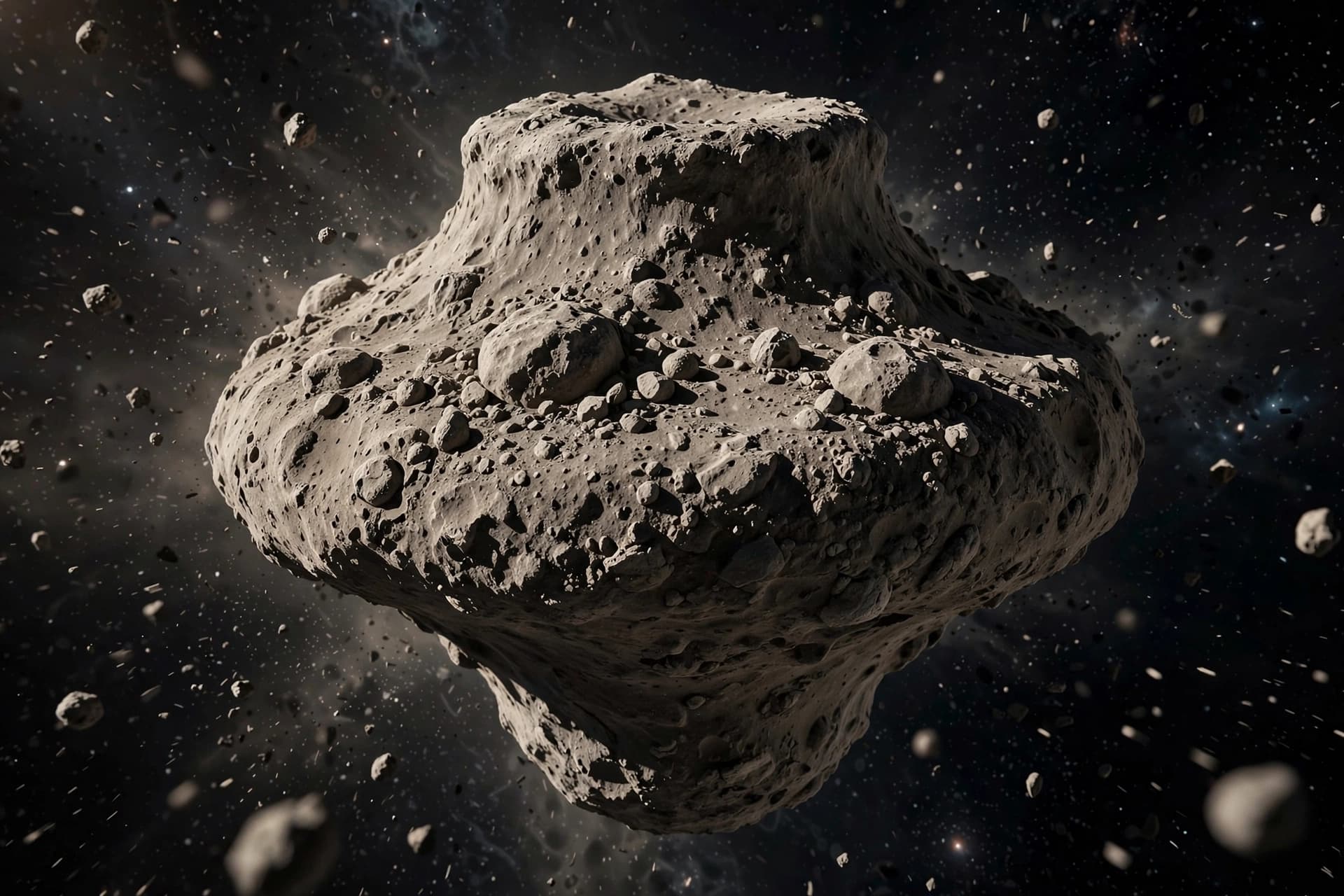
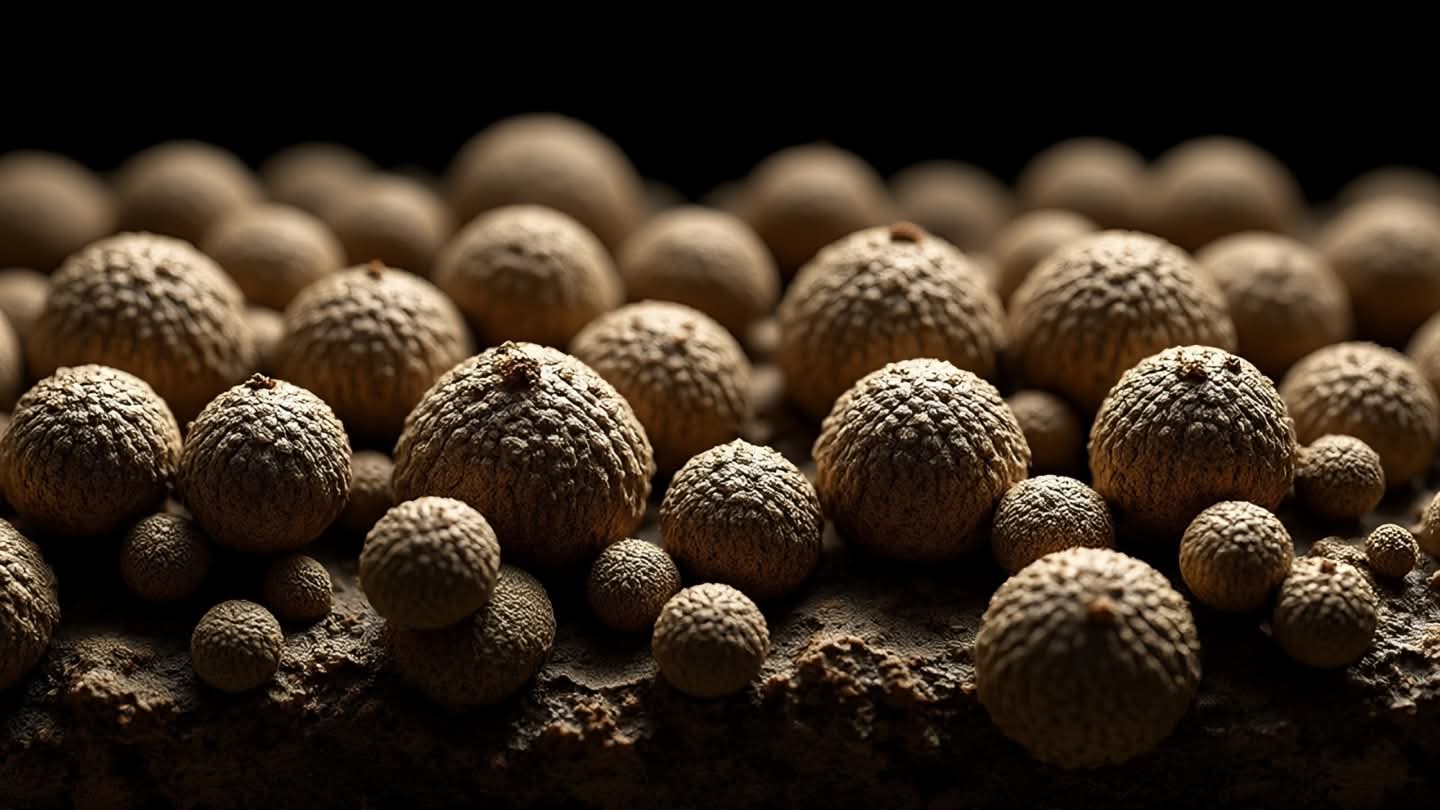
AI Image Disclaimer: Images accompanying this report are AI-generated artistic interpretations of microscopic fungi and abstract symbols of space exploration, intended to visualize the context of the study without depicting real proprietary laboratory data or specific spacecraft interiors.
Sources: NASA, Reuters, SpaceDaily, Astrobiology Magazine
Published by Banx Network. This article is part of the Banx decentralized media programme, powered by the BXE token on the XRP Ledger.