In the complex tapestry of urban development, legal threads often weave unexpected patterns that can halt even the most ambitious designs. A recent legal dispute involving a Nile crocodile has emerged as an unlikely but potent obstacle to former President Donald Trump’s proposed hotel and residential projects in Washington, D.C. This case illustrates how environmental regulations and animal welfare laws can intersect with high-stakes real estate, creating delays that ripple through the corridors of power and commerce.
The controversy centers on the Old Post Office Pavilion, a historic landmark that Trump leased and renovated into a luxury hotel. While the project was initially celebrated for its architectural preservation, it later became entangled in legal scrutiny regarding the treatment of animals, specifically a Nile crocodile that was part of the property’s earlier history or associated exhibits. Although the reptile itself may no longer be central to current operations, the legal precedents set by such cases can have far-reaching implications for future developments.
Critics and legal experts argue that the case highlights broader issues of compliance with federal and local regulations. For any developer, especially one with a high profile, adherence to these rules is not just a bureaucratic formality but a critical component of project viability. The scrutiny brought by the crocodile case serves as a reminder that no aspect of a development is too small to escape public and legal attention.
The impact on Trump’s broader ambitions in the capital is significant. Delays in one project can cast a shadow over others, raising questions about management practices and regulatory foresight. Investors and partners may view such legal entanglements as risks, potentially affecting funding and support for future initiatives. The reputation of a brand is often tied to its ability to navigate these complexities smoothly.
Furthermore, the case underscores the growing importance of ethical considerations in business. Public sentiment increasingly favors companies that demonstrate responsibility toward living beings and the environment. Even if the legal outcome is favorable, the court of public opinion may render a different verdict, influencing consumer behavior and political alliances.
For city planners and regulators, this situation offers a lesson in vigilance. It suggests that thorough vetting of all aspects of a development, including historical uses and animal-related liabilities, is essential. By addressing these issues proactively, municipalities can prevent prolonged disputes that stall progress and consume resources.
As the legal proceedings continue, the focus remains on the balance between innovation and regulation. The outcome will likely influence how future high-profile projects are approached, encouraging a more holistic view of development that includes legal, ethical, and environmental dimensions.
The Nile crocodile case serves as a unique lens through which to view the challenges of major development projects in Washington, D.C. It highlights the intricate relationship between law, ethics, and real estate, reminding stakeholders that every detail matters in the pursuit of urban transformation.
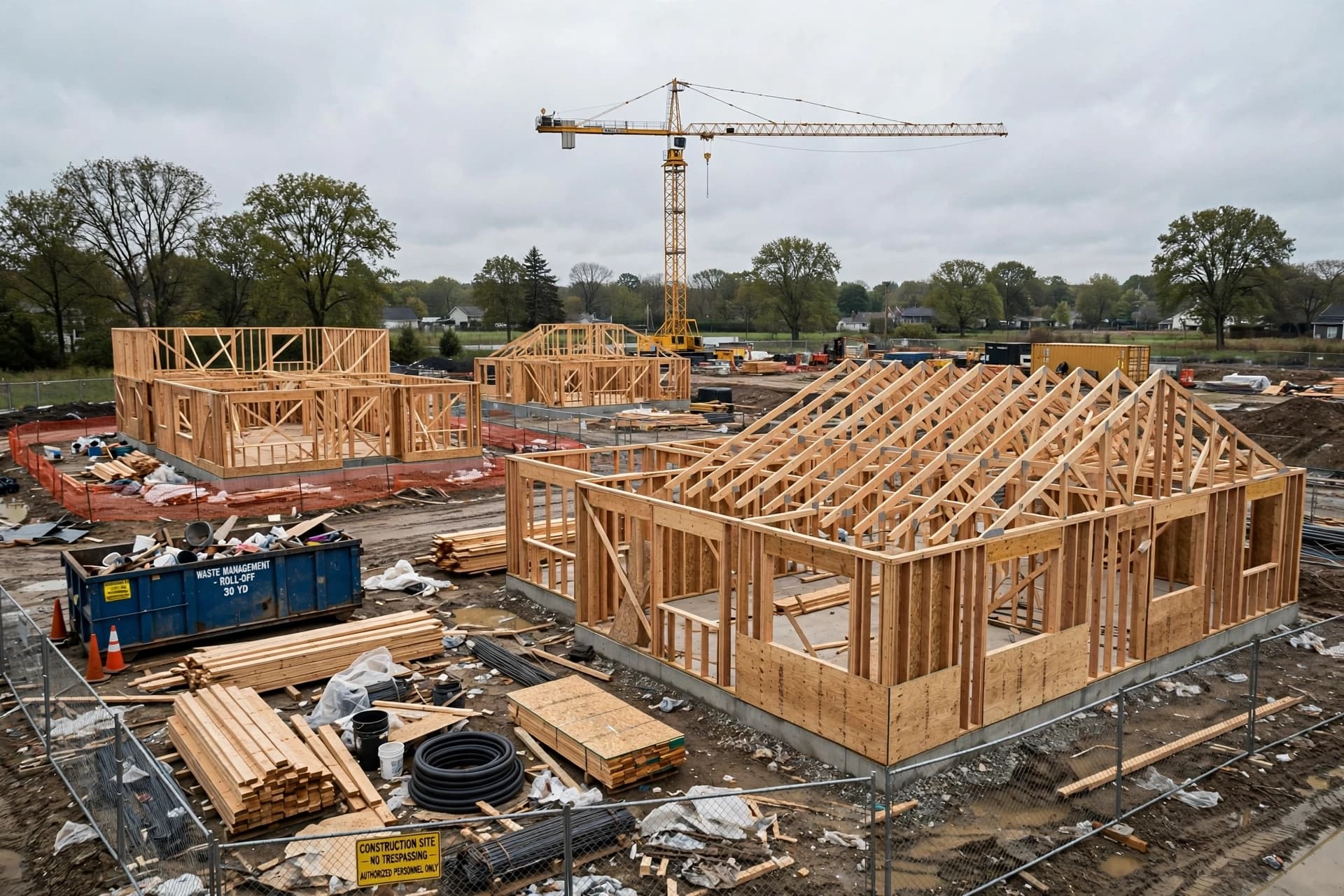
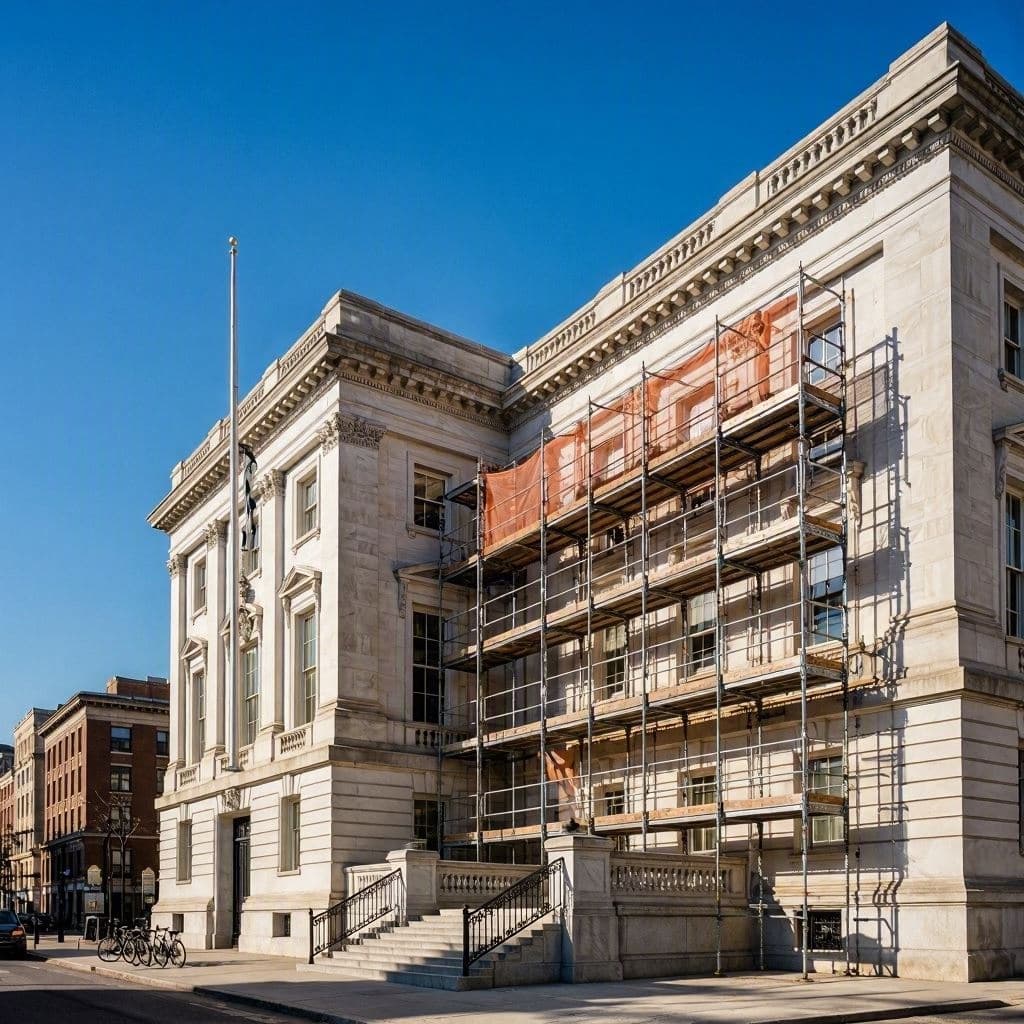
AI Image Disclaimer: The visual elements accompanying this article are generated by artificial intelligence to illustrate the thematic context.
Sources: The Washington Post Politico Bloomberg
Published by Banx Network. This article is part of the Banx decentralized media programme, powered by the BXE token on the XRP Ledger.