The night sky has always been a source of wonder, a canvas upon which the cosmos paints its ever-changing masterpiece. This month, stargazers are treated to a rare trifecta of celestial events, offering a spectacular display of astronomical beauty. From meteor showers to planetary alignments, these phenomena remind us of our place in a dynamic and vast universe. For those willing to look up, the sky offers a show that requires no ticket, only patience and a clear view.
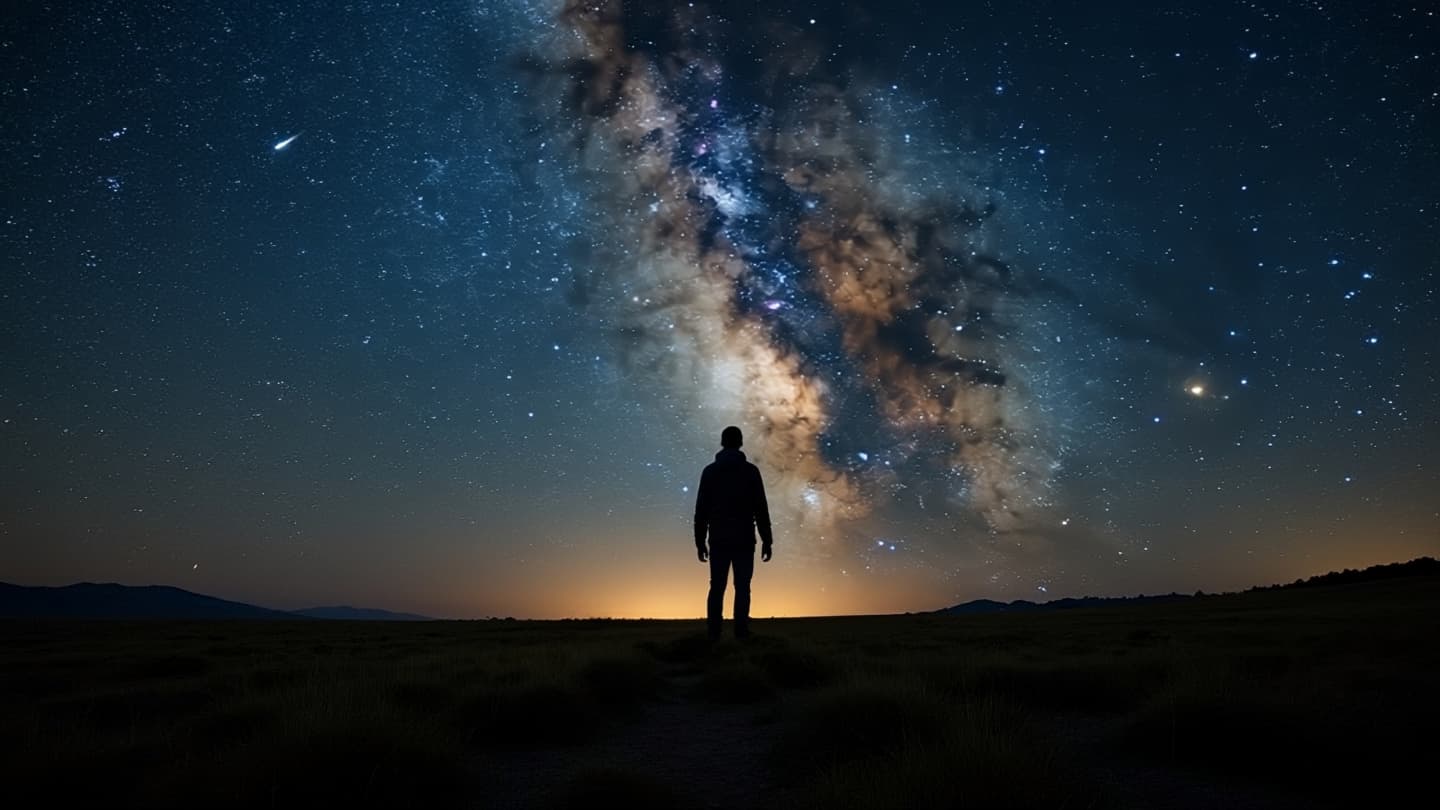
The first major event is the peak of the Perseid meteor shower, known for its bright and fast-moving meteors. Caused by debris from Comet Swift-Tuttle, the Perseids are one of the most reliable and impressive showers of the year. Observers in dark locations can expect to see dozens of meteors per hour, streaking across the sky like fiery needles. It is a moment of natural fireworks, a reminder of the constant motion of our solar system.
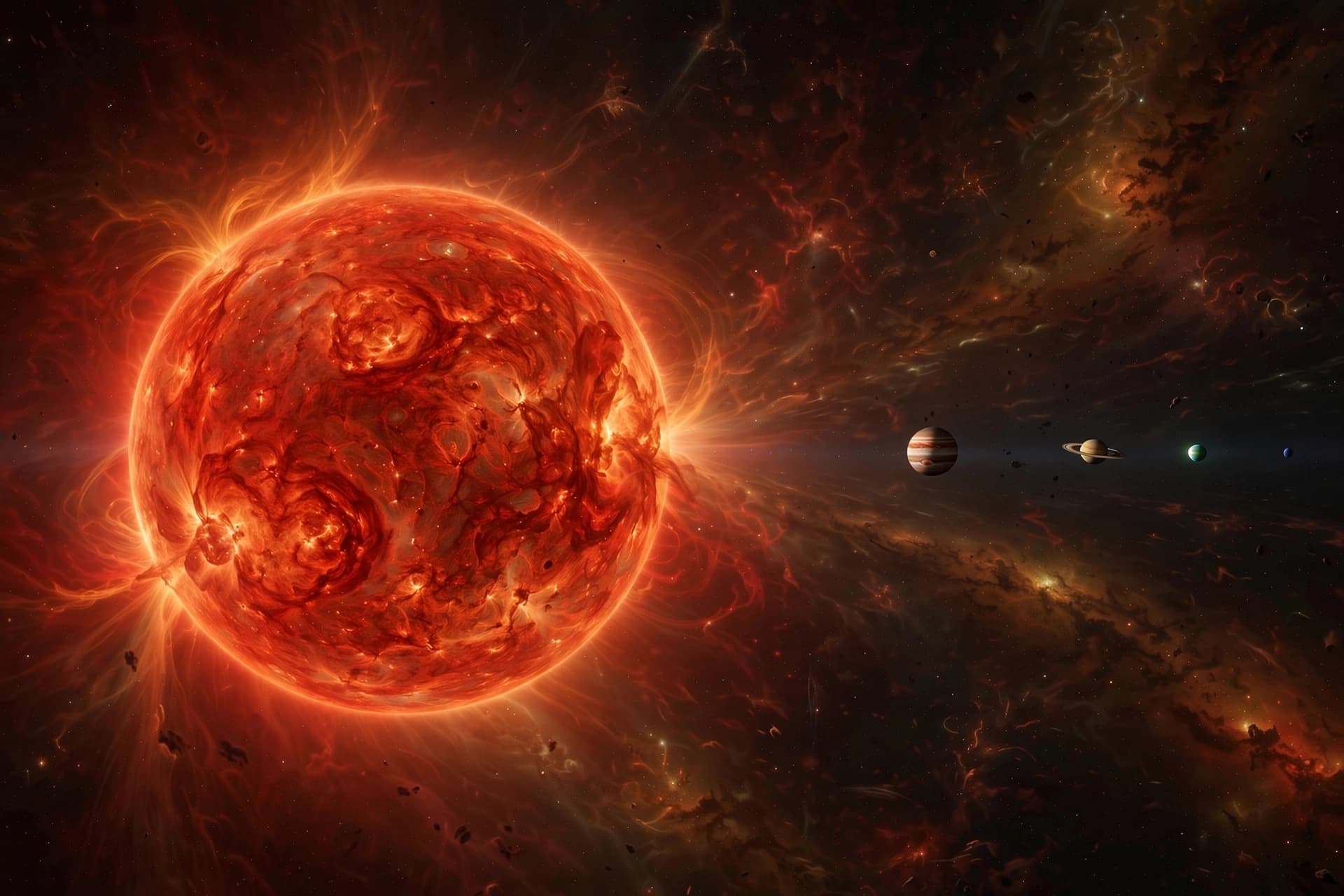
Following the meteors, viewers can witness a close conjunction of Mars and Jupiter. These two giants of the solar system will appear unusually close in the evening sky, creating a striking visual pair. Mars, with its reddish hue, and Jupiter, bright and steady, offer a contrast in color and brightness that is easy to spot even from light-polluted areas. This alignment provides an excellent opportunity for amateur astronomers to observe planetary details through binoculars or telescopes.
The third event is a partial lunar eclipse, where the Earth’s shadow will graze the moon’s surface. Unlike a total eclipse, the moon will not turn completely red, but a noticeable darkening will occur on one side. This subtle change is a gentle reminder of the geometric dance between the Earth, moon, and sun. It is a phenomenon that has captivated humans for millennia, inspiring myths and scientific inquiry alike.
To best enjoy these events, experts recommend finding a location away from city lights and allowing your eyes to adjust to the darkness. No special equipment is needed for the meteor shower or planetary conjunction, though binoculars can enhance the view of the lunar eclipse. Checking local weather forecasts is also essential, as clear skies are the primary requirement for a successful viewing experience.
These celestial events offer more than just visual pleasure; they provide a chance to connect with the natural world and reflect on the scale of the universe. In a busy modern life, taking a moment to look up can be a grounding and humbling experience. It reconnects us with the rhythms of the cosmos that have guided humanity for centuries.
This month’s triple threat of celestial events is a gift for skywatchers everywhere. Whether you are a seasoned astronomer or a casual observer, the Perseids, the planetary conjunction, and the lunar eclipse offer something for everyone. Look up, breathe in the night air, and let the universe speak to you.
AI Image Disclaimer: Visuals associated with this article are AI-generated to illustrate the themes of astronomy and night sky observation.
Sources: Time and Date EarthSky NASA Science
Published by Banx Network. This article is part of the Banx decentralized media programme, powered by the BXE token on the XRP Ledger.