They grew up online, speak in algorithms, and navigate the world through screens — yet few generations have felt the pressure of automation more keenly than Gen Z. According to a new Deutsche Bank survey, nearly one in five Gen Z respondents said they are “very concerned” that artificial intelligence could take their job within the next two years.
It’s a striking number for a generation raised to embrace technology, now realizing that the same tools promising freedom and creativity may also threaten their professional security. The survey reflects a subtle mood shift: from fascination with AI’s potential to fear of its encroachment on human work.
Young workers, many just entering the labor market, are encountering automation not as an abstract future but as a lived reality. From copywriting and design to customer support and data analysis, AI systems are becoming not assistants, but competitors. Deutsche Bank’s economists note that Gen Z’s anxiety levels far exceed those of older cohorts, suggesting that the youngest employees — often in entry-level, digitally replicable roles — feel most exposed.
The findings arrive amid a global debate about the balance between technological progress and employment resilience. While some experts argue that AI will create as many roles as it replaces, others warn that structural adaptation — in education, retraining, and regulation — is lagging behind the pace of innovation.
For Gen Z, the question may not simply be whether AI will take their jobs, but how fast they can evolve alongside it. In an era where automation rewrites the rules of work almost monthly, adaptability may become the generation’s most valuable skill.
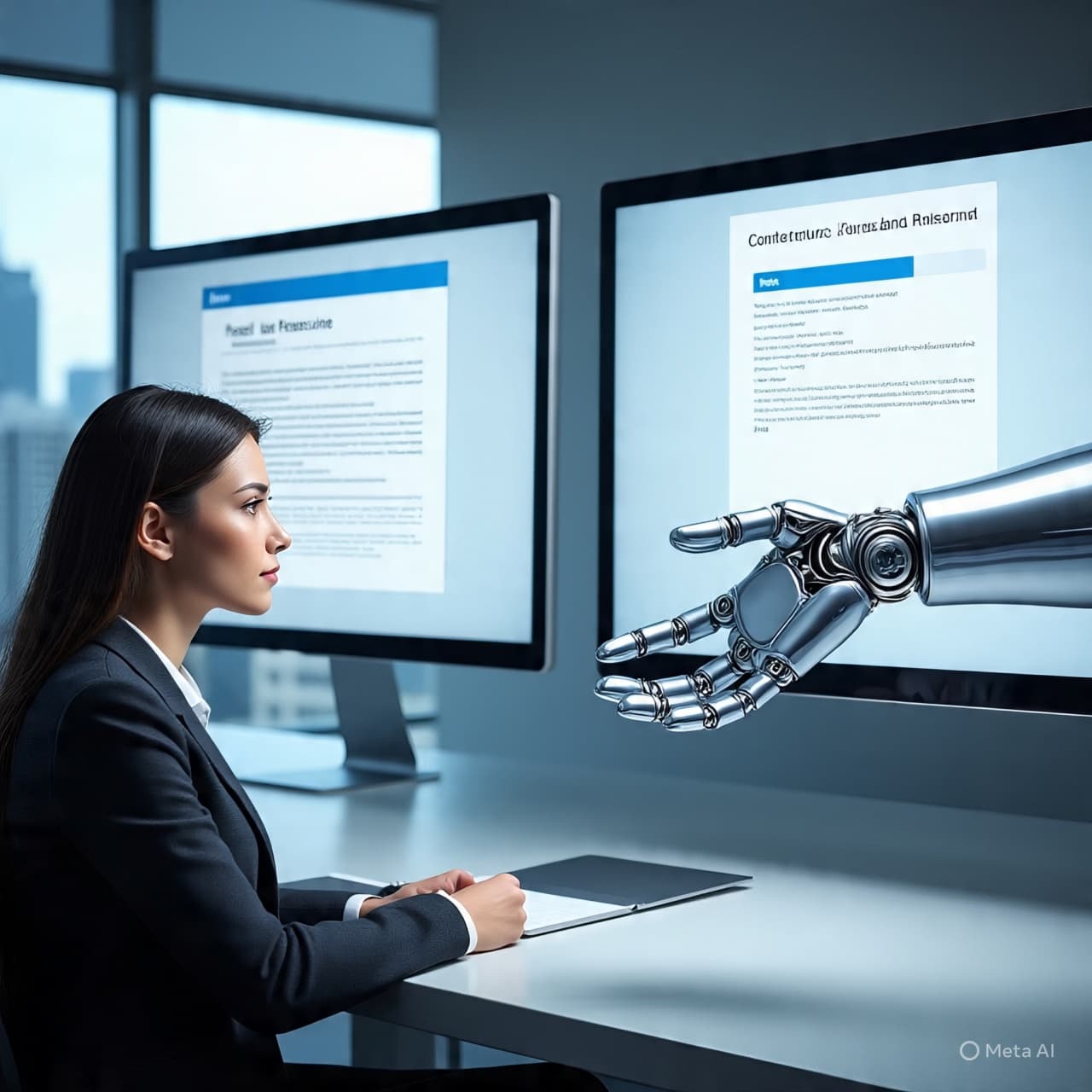
AI-generated imagery concept; visual metaphor for editorial illustration.
Sources: Deutsche Bank Research, Bloomberg, CNBC, The Guardian, Business Insider
Published by Banx Network. This article is part of the Banx decentralized media programme, powered by the BXE token on the XRP Ledger.